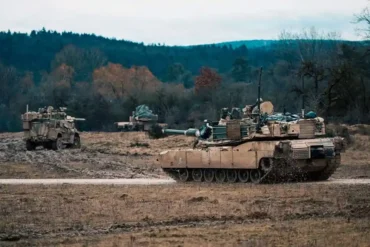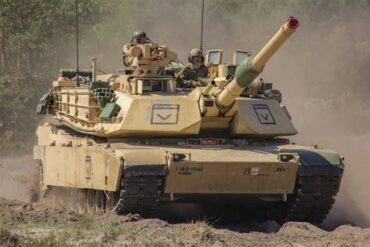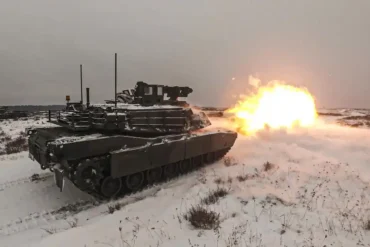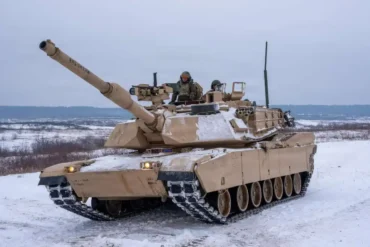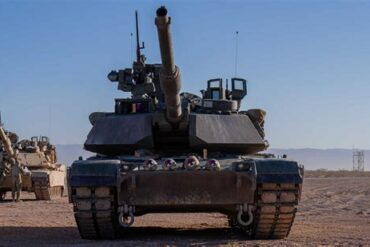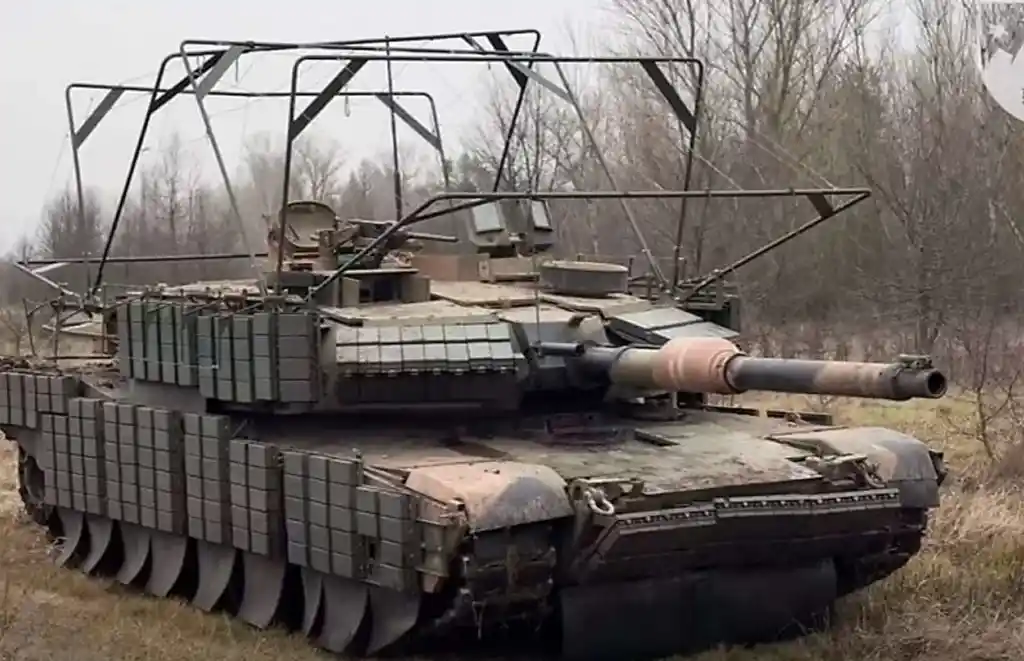
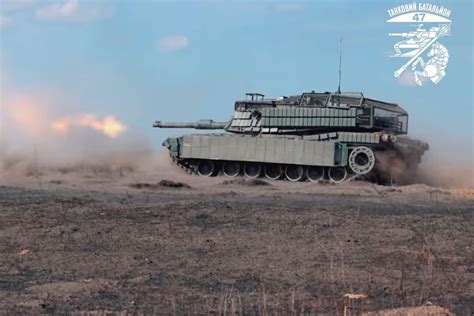
Ukrainian forces have commenced frontline combat operations with 49 upgraded Australian M1A1 Abrams tanks, employing them not as traditional breakthrough platforms but as precision direct-fire support vehicles in a battlefield now shaped by drone warfare, loitering munitions, and persistent surveillance.
Strategic Reorientation: From Breakthrough to Survivability
The M1A1 Abrams tanks, delivered in full by mid-December 2025 as part of a defense package valued at A$245 million, are emblematic of the evolving nature of warfare in Ukraine. Instead of massed armor charges across open fields, Ukrainian commanders are redefining tank warfare doctrine, adapting to a conflict environment dominated by aerial reconnaissance drones, precision artillery, and constant real-time surveillance by Russian forces.
These tanks are now deployed as fortified firebases, offering cover and heavy firepower for advancing infantry units and suppressing fortified enemy positions. The emphasis is on short-duration assaults, nighttime operations, and rapid mobility—allowing the tanks to strike quickly and then withdraw before they can be targeted by enemy drones or artillery.
Engineering Strength Meets Tactical Flexibility
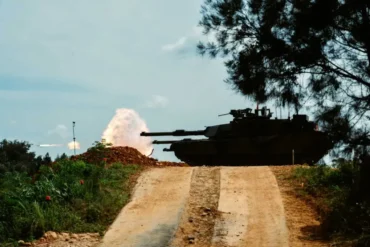
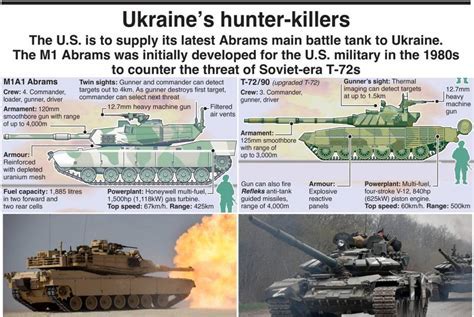
Each Australian-supplied Abrams is built around the 120 mm M256 smoothbore cannon, operated via a digital fire-control system that enables precise engagements in all weather and lighting conditions. These tanks also mount 12.7 mm and 7.62 mm machine guns, adding layered defense against both infantry and drone threats.
The M1A1’s heavy chassis, weighing around 62 tonnes, includes advanced armor protections and compartmentalized ammunition storage—prioritizing crew survivability. The urban survivability kit, tailored for complex terrain like cityscapes and trench-dominated fronts, is particularly relevant to Ukraine’s operational needs.
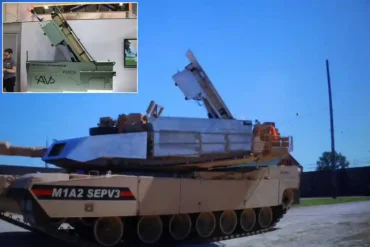
Driven by a gas-turbine engine, the tanks can reach 60 km/h, making them agile enough to shift across sectors quickly, reinforcing defenses or joining offensives as needed. Importantly, these machines now feature upgraded protection against top-down attacks, such as:
- Reactive armor tiles
- Enhanced frontal armor plates
- Rooftop cage armor to disrupt drone-dropped explosives and FPV (First Person View) kamikaze drones
Adapting to the Drone Era: Tactical Relevance in a New Battlefield
In contrast to Cold War-era doctrines that saw the Abrams as a spearhead for armored breakthroughs, Ukraine is tactically deploying these tanks as standoff fire platforms. The new role fits the realities of the 2026 battlefield, where massed armor is highly vulnerable to detection and destruction by loitering drones like the Lancet and precision-guided artillery rounds.
By positioning Abrams units behind engineering breach teams or within combined arms formations, Ukraine can leverage their firepower and resilience without exposing them to sustained aerial targeting. Night operations further amplify the effectiveness of Western optics, providing superiority in engagements beyond visual range and under low-visibility conditions.
Integration Into a Diverse Armored Fleet
Ukraine’s armored forces are now a patchwork of Western and Soviet-era designs, including:
- T-64 and T-72 variants (modernized and legacy systems)
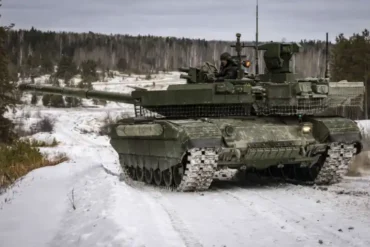
- Captured Russian tanks, including T-80 and T-90 types
- Challenger 2 tanks (United Kingdom)
- Leopard 1 and Leopard 2 tanks (Germany and others)
Within this mix, the M1A1 Abrams stands out for its crew survivability and battle-tested durability. Compared to Russian T-72B3s and even newer T-90 variants, the Abrams offers superior fire-control systems, internal layout, and blast compartmentalization. While Russian tanks have improved optics and countermeasures, they remain vulnerable to catastrophic ammunition detonations due to internal configuration flaws.
Field Modifications and Frontline Challenges
Australia confirmed that these were modified M1A1s, tailored to match Ukraine’s fast-changing operational requirements. These modifications include:
- Enhanced counter-drone armor and electronic warfare shielding
- Redesigned turret cage structures for drone defense
- Integration of battlefield communication systems compatible with NATO standards
Despite these upgrades, the Abrams is not invulnerable. Ukrainian forces must enforce tactical discipline to avoid losses:
- Limiting exposure duration in high-risk areas
- Coordinating movements with electronic warfare and short-range air defense (SHORAD) systems
- Camouflage and decoy deployment to confuse drone targeting
The Abrams’ success hinges on integration into layered defense doctrines and combined arms tactics. Ukrainian units are already employing such strategies, learning from prior experience with U.S.-supplied Abrams and other NATO-standard equipment.
Impact and Strategic Value
With 49 tanks delivered, Ukraine can field a complete armored battalion, with reserve units available for repair cycles and attrition management. This concentration allows for focused offensive and defensive operations rather than dispersing tanks across the front.
These Abrams units could prove pivotal in sector-based counteroffensives, urban defense, or rear-area interdiction operations—denying Russian forces the freedom to regroup or reinforce. Furthermore, their deployment sends a message of enduring Western support, bolstering morale and deterring escalation.
Conclusion: The Abrams’ Evolving Role in Modern Warfare
The entry of upgraded Australian M1A1 Abrams tanks into Ukrainian combat service represents a milestone in the modernization and adaptation of armored warfare. Rather than deploying them as relics of Cold War doctrine, Ukraine is embracing a nuanced, survivability-first approach, where tanks serve as mobile fortresses and firepower anchors within a highly networked, drone-contested battlespace.
The Australian donation reflects both strategic foresight and the global recalibration of defense assistance in light of drone proliferation. As Ukraine redefines how armored vehicles function under the shadow of unmanned threats, the Abrams is poised to play a crucial yet carefully calibrated role in the battles still to come.