The aviation trade show landscape in the United States has become an increasingly strategic environment for industry professionals to showcase innovations, foster collaborations, and deepen sector-specific knowledge. In 2025, more than two dozen highly specialized aviation expos are poised to attract tens of thousands of visitors ranging from engineers and OEM executives to military officials and commercial airline stakeholders. These exhibitions not only serve as product launchpads but are pivotal for B2B lead generation, technological exchange, and market expansion within aerospace and adjacent sectors.
The importance of these events is underscored by their scale, geographic distribution, and thematic diversity—from unmanned systems to avionics, from airport operations to vertical lift technologies. Below, we explore the strategic value and unique appeal of the top aviation trade shows in the United States for 2025.
VERTICON: Elevating Vertical Aviation
Set to take place in Dallas from March 10–13, VERTICON is the definitive vertical aviation event in North America. With over 15,000 professionals from 85 countries, it provides unmatched visibility for rotorcraft manufacturers, VTOL startups, and support equipment providers. More than 600 exhibitors and 60+ aircraft on display across the expansive Kay Bailey Hutchison Convention Center signal the event’s technical breadth.
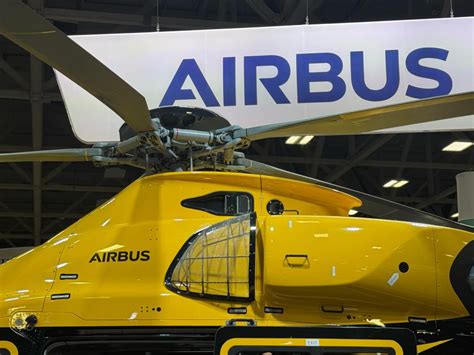
The 125+ educational sessions reinforce VERTICON’s status as both a product and knowledge marketplace, with a particular focus on aerial mobility, safety protocols, and advanced air operations.
Satellite 2025: Expanding the Space-Aviation Nexus
Hosted in Washington, DC from March 11–13, Satellite 2025 remains the cornerstone for those operating at the intersection of aerospace, telecommunications, and defense. With over 14,000 visitors, the event bridges connectivity between ground and orbit—welcoming telecom giants, government regulators, satellite fabricators, and venture capitalists.
The 40-year-old platform underscores emerging discussions in LEO constellations, satellite AI, and interoperability frameworks for integrated defense systems. The show’s relevance is only heightened by the global race toward next-gen satellite infrastructure.
IPC APEX EXPO: Precision Manufacturing for Aerospace
From March 18–20 in Anaheim, California, the IPC APEX EXPO targets one of aerospace’s most critical backbones—electronics manufacturing. With 7,254 visitors, 70% of whom are key decision-makers, it offers targeted engagement with stakeholders in PCB fabrication, assembly automation, and system diagnostics.
While not solely aviation-focused, IPC APEX’s influence on avionics manufacturing and embedded systems remains profound. This is a must-attend for those exploring scalable production and compliance within FAA-regulated environments.
AEA International Convention: The Avionics Stronghold
Phoenix, Arizona, will host the 66th AEA International Convention from March 18–21, welcoming the world’s largest gathering of avionics professionals. Distributors, technicians, and regulatory experts converge to explore flight deck integration, data communication modules, and compliance software tailored for general and business aviation.
This show’s intimate scale promotes high-quality interactions and an emphasis on aircraft electronics retrofitting, FAA regulations, and aftermarket innovation.
Sun ‘n Fun Aerospace Expo: Aviation for All
As one of the world’s largest aviation events, Sun ‘n Fun in Lakeland, Florida, from April 1–6 draws over 200,000 visitors and 500+ exhibitors. The expo mixes festival-like energy with serious technical dialogue. With hundreds of aircraft—from experimental to military—and immersive workshops, it is a hub for enthusiasts, suppliers, and educators alike.
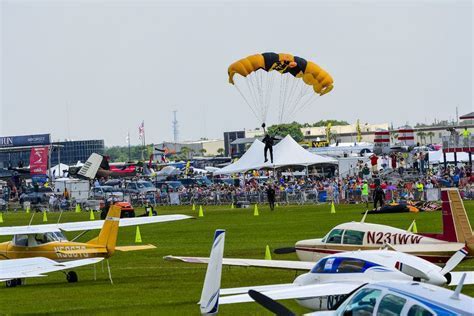
Airshows, youth-focused educational programs, and networking lounges make it a potent blend of marketing, branding, and STEM advocacy.
Sea-Air-Space: Defense-Centric Innovation
Held in National Harbor, Maryland, from April 6–9, Sea-Air-Space is the U.S. maritime sector’s flagship event, closely tied to aviation’s defense segments. With 16,000 attendees, 430 exhibitors, and 57 delegations, it is indispensable for firms aligned with aerospace defense contracting, UAVs, and ISR platforms.
Its unique positioning allows joint forces—Air Force, Navy, and private contractors—to converge on subjects like interoperability, mission assurance, and cybersecure flight systems.
WATS: Aviation Training for a New Era
The World Aviation Training Conference & Tradeshow (WATS) in Orlando (April 7–10) hosts 1,000+ professionals focused on pilot, cabin crew, and maintenance training. The event delves deep into simulation-based instruction, XR learning platforms, and training standardization, aligning with post-pandemic safety priorities and talent pipeline concerns.
Aviation Week MRO Americas: Keeping Aircraft Flying
Set in Atlanta from April 8–10, MRO Americas tackles the pressing issues of aviation maintenance, repair, and overhaul. With global fleet recovery underway, the show is critical for discussing parts logistics, aircraft lifecycle cost management, and digital twin technologies.
OEMs, airlines, and third-party service providers collaborate on how to increase aircraft readiness while optimizing predictive maintenance models.

Innovation Hubs: From UAVs to Spaceflight
Later in the year, several innovation-driven expos solidify the U.S. aviation calendar:
- AUVSI XPONENTIAL (May 19–22, Houston): The largest global event for unmanned systems and autonomy, covering UAS, AI/ML, and edge computing applications in aerospace.
- Space Tech Expo (June 3–4, Long Beach): Brings together startups and legacy players exploring propulsion, satellite tech, and commercial spaceflight.
- Commercial UAV Expo (Sept 2–4, Las Vegas): Serves over 3,000 professionals from surveying, construction, energy, and infrastructure, leveraging drones for aviation-adjacent operations.
Each show represents a frontier of disruption—be it through autonomous navigation, sustainable propulsion, or next-gen materials engineering.
Regional Forums and Specialized Events
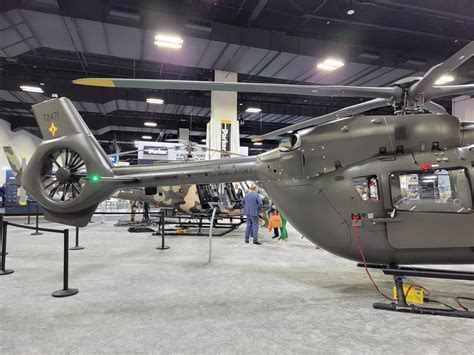
Trade shows like the NBAA Business Aviation Regional Forum (June 4–5, White Plains) and AAAA Summit (May 14–16, Nashville) cater to targeted aviation verticals such as business jets and Army aviation respectively. These smaller, curated forums allow for high-level policy discussions and bespoke product demonstrations.
Simultaneously, the AAAE Annual Conference (June 8–10, Atlanta) and Business of Airports Conference (June 23–25, Arlington, TX) address aviation from an infrastructural lens—focusing on airport modernization, public-private partnerships, and sustainability.
Air Shows, Fly-Ins and General Aviation Showcases
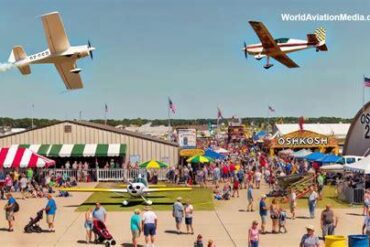
The EAA AirVenture Oshkosh Fly-In from July 21–27 in Wisconsin is a celebration of aviation in its most diverse form. With 5 million visitors, 800 exhibitors, and countless flight demos, it remains the single most impactful event for aviation brand exposure.
Complementing this is ICAS (Dec 8–11, Las Vegas), which brings air show organizers, performers, and insurers together under one roof. Discussions include FAA waivers, event insurance, and air show safety protocols.
Strategic Participation and Exhibit Design
Choosing to participate in these trade shows requires strategic foresight—balancing brand positioning, audience targeting, and budgetary allocations. With over 700 customizable rental booth designs across sizes—from 10’x10’ to 50’x50’—and in cities ranging from Anaheim to New York, exhibitors can scale their presence in alignment with marketing goals.
Partnering with end-to-end exhibit solution providers ensures hassle-free deployment, allowing teams to focus on client engagement, live demonstrations, and lead capture. Proper booth architecture not only reflects technical sophistication but also drives traffic flow, dwell time, and visitor retention.
Conclusion: An Industry Reaching for the Skies
The aviation and aerospace industry thrives on precision, innovation, and timely collaboration. These trade shows are no longer peripheral marketing tools; they are the engines of growth, ideation, and networking in an increasingly interconnected sector.
For OEMs, component suppliers, defense contractors, and even educational institutions, trade shows represent an opportunity to demonstrate expertise, forge new alliances, and secure their place in the future of flight.