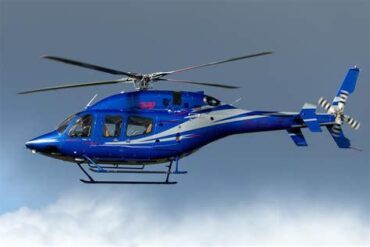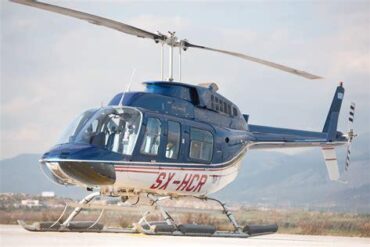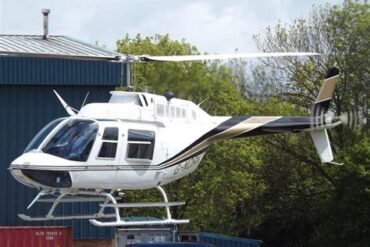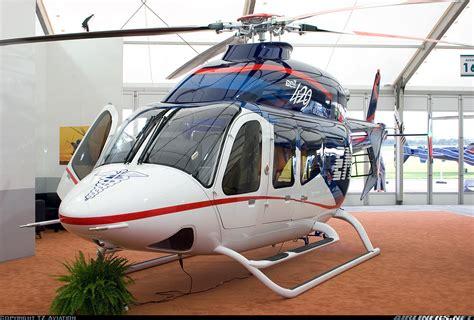
The Bell 429 GlobalRanger stands as a testament to modern aviation engineering, offering an exceptional blend of performance, versatility, and reliability in the multipurpose utility helicopter segment. Since its introduction in 2009, this helicopter has carved a niche across police forces, emergency medical services (EMS), and military operations worldwide, maintaining a reputation for adaptability and robust design.
Development and Certification Milestones
The Bell 429 GlobalRanger was conceived out of necessity. Bell Helicopter’s earlier model, the Bell 427, fell short of critical requirements for EMS applications, notably lacking sufficient cabin space for a patient litter and an integrated instrument flight rules (IFR) system. To resolve these limitations, Bell initially attempted to extend the 427 platform with the 427s3i prototype in 2004, but the enhancements proved inadequate. This prompted a more ambitious redesign, integrating the Modular Affordable Product Line (MAPL) airframe and introducing entirely new rotor blades while retaining the proven engine and drive systems of the 427.
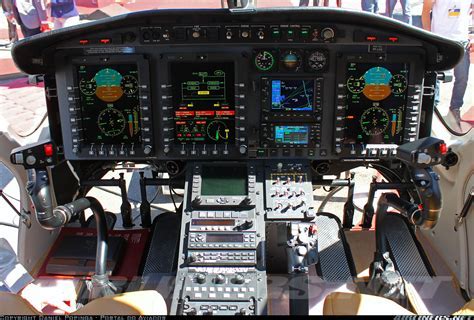
The resulting helicopter featured a glass cockpit, equipped as standard with single-pilot IFR capability and an advanced three-axis autopilot (with an optional fourth axis and flight director). The developmental journey was marked by rigorous flight testing, beginning with a modified 427 testbed in February 2006, leading up to the maiden flight of the Bell 429 prototype on February 27, 2007. By early 2008, three prototypes had amassed over 600 flight hours, validated under diverse conditions, including high-altitude trials in Colorado and high-temperature evaluations in Arizona. Despite facing program delays due to material shortages, Bell finalized the external configuration by October 2007.
Certification milestones followed swiftly. The Transport Canada Civil Aviation (TCCA) awarded type certification on July 1, 2009, followed by the Federal Aviation Administration (FAA) on July 7, 2009, and the European Union Aviation Safety Agency (EASA) on September 24, 2009. Notably, while the TCCA approved a weight exemption for increased payload, this exemption was not recognized by the FAA or EASA.
Design Features and Technical Innovations
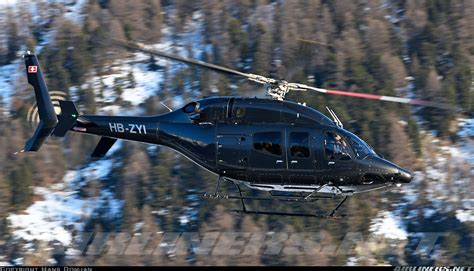
At the heart of the Bell 429 GlobalRanger is a meticulously engineered rotor system, employing four-blade soft-in-plane flex beams paired with composite swept-tip blades. This configuration enhances aerodynamic efficiency and reduces vibration. Complementing the main rotor is the innovative X-configuration tail rotor, composed of two stacked two-blade rotors, a design choice that improves directional control while reducing noise.
The spacious cabin, measuring 204 cubic feet—with 130 cubic feet allocated to passengers and 74 cubic feet for baggage—sets the Bell 429 apart from its predecessor. A flat floor design and optional rear clamshell doors enable rapid loading and unloading, particularly vital for EMS roles. Pilots benefit from a modern glass cockpit that integrates seamlessly with the autopilot system, delivering situational awareness and simplified control during complex operations.
Customers may select between skid landing gear as standard or opt for retractable wheels, the latter providing a modest 5-knot increase in cruise speed. Maintenance intervals are notably long, with the main transmission offering a 5,000-hour time between overhaul (TBO) and the tail rotor gearbox rated at 3,200 hours, reducing lifecycle costs for operators.
Performance and Capabilities
Powered by two Pratt & Whitney Canada PW207D1 (or PW207D2) turboshaft engines, the Bell 429 delivers 625 shp continuous power, with a take-off rating of 730 shp. These engines drive a 36-foot main rotor with a total rotor area of 1,018 square feet, translating into exceptional hover and climb capabilities.
The helicopter achieves a cruise speed of 150 knots, with a maximum never-exceed speed (VNE) of 155 knots. Its operational range extends up to 390 nautical miles, with a service ceiling of 20,000 feet. Hover performance remains strong even under demanding conditions, sustaining an in-ground effect (IGE) ceiling of 14,130 feet and an out-of-ground effect (OGE) ceiling of 11,280 feet. These characteristics make the Bell 429 adept for both urban and high-altitude missions, underscoring its appeal to operators across diverse geographic environments.
Operational Deployment Worldwide
Since entering service, the Bell 429 GlobalRanger has found a home in over 42 countries, accumulating more than 330,000 flight hours by July 2018. Its versatility has allowed it to seamlessly transition between roles, from law enforcement and air medical transport to military and search-and-rescue missions.
In Canada, the Canadian Coast Guard operates 16 Bell 429 helicopters, utilizing them for maritime patrols and search-and-rescue. Across Sweden, the Swedish Police Authority fields nine units for policing and surveillance. Other prominent operators include the Royal Australian Navy, Delaware State Police, New Zealand Police, and the Royal Thai Police. The platform has even been adopted by the Oman Ministry of Defence, highlighting its suitability for military utility.
Tragically, despite its robust safety record, the platform has experienced isolated incidents, such as the loss of a Philippine National Police Bell 429 in a March 5, 2020 crash. Nevertheless, the helicopter’s widespread adoption underscores sustained confidence in its operational reliability.
A Platform Built for Diverse Missions
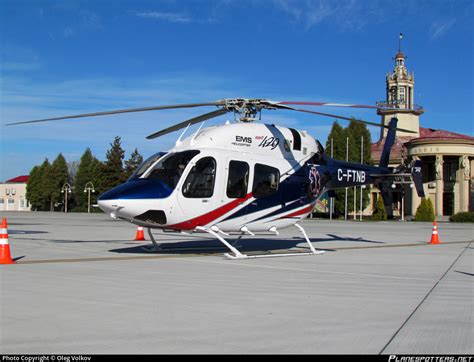
One of the Bell 429’s greatest strengths lies in its adaptability. Law enforcement agencies value its rapid deployment capability, advanced avionics, and low acoustic footprint. EMS providers appreciate the spacious cabin and easy patient access afforded by the clamshell doors, while military operators leverage its IFR capabilities and Category A performance for tactical operations.
Key features enabling this mission flexibility include:
- Single-pilot IFR certification for all-weather operational readiness
- Flat-floor cabin allowing varied interior configurations
- Optional medical interior kits with integrated patient support systems
- Multi-role mission kits enabling swift reconfiguration from EMS to law enforcement or surveillance tasks
Technical Specifications Summary
The Bell 429’s specifications reflect its status as a true multi-mission workhorse:
- Crew: 1 pilot; Capacity: 7 passengers or 2,755 lb payload
- Length: 41 ft 8 in; Height: 13 ft 3 in
- Empty weight: 4,245 lb; Maximum take-off weight (MTOW): 7,500 lb
- Fuel capacity: 215 US gal usable (+40 US gal auxiliary)
- Engines: 2× Pratt & Whitney Canada PW207D1/D2 turboshaft
- Cruise speed: 150 kn; Range: 390 nmi
- Service ceiling: 20,000 ft; Hover ceiling IGE: 14,130 ft; OGE: 11,280 ft
Conclusion: A Proven Performer in Global Operations
The Bell 429 GlobalRanger exemplifies modern helicopter design tailored for operational flexibility, efficiency, and mission readiness. Its success across public safety agencies, healthcare providers, and defense organizations worldwide underscores its capability to meet diverse operational demands. As fleet numbers surpass 500 units globally as of July 2024, the Bell 429 continues to affirm its role as an indispensable platform for critical missions, delivering performance, safety, and adaptability in equal measure.