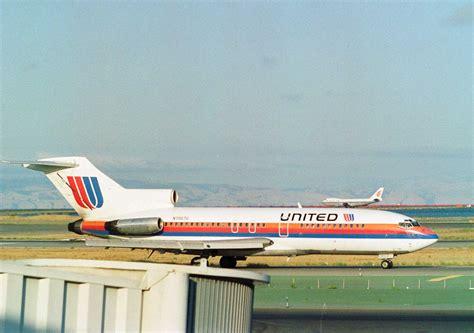
The roar of a Boeing 727 was never subtle. Long before ultra-quiet turbofans and fuel-sipping twinjets dominated the skies, the 727 represented the pulse of American aviation itself — loud, fast, elegant, and unmistakably powerful. For nearly four decades, the aircraft connected major cities, remote mountain airports, tropical islands, and small regional communities with a reliability that transformed commercial air travel in the United States.
When Delta Air Lines operated the final scheduled Boeing 727 passenger flight by a US carrier on April 6, 2003, it marked more than the retirement of an aging aircraft. It marked the symbolic end of an era when trijets ruled the skies and airlines measured prestige by the sound of three engines climbing into the clouds.
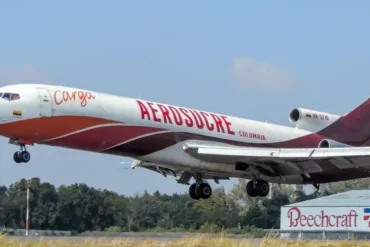
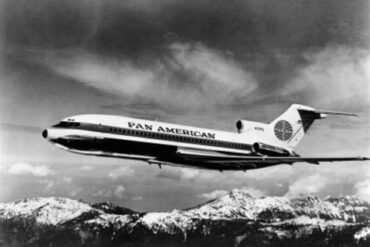
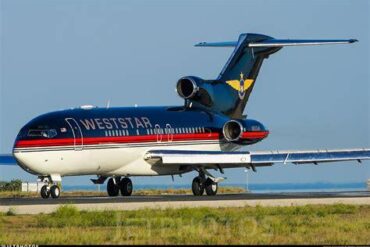
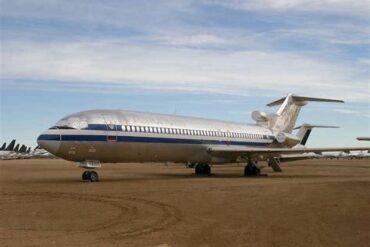
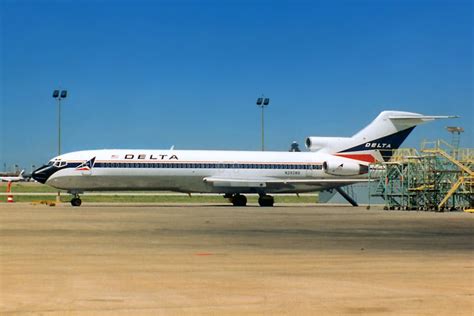
The Boeing 727 remains one of the most recognizable aircraft ever produced. Its distinctive T-tail, rear-mounted engines, and narrow fuselage became synonymous with the golden age of jet travel. Even today, decades after its retirement from mainstream passenger service, aviation enthusiasts still pause whenever they hear the sharp whine of a JT8D engine in the distance. Few aircraft have left such a lasting emotional imprint on commercial aviation.
The aircraft’s story is inseparable from the growth of the American airline industry itself. The 727 helped airlines expand beyond major metropolitan hubs into secondary airports with shorter runways and more challenging operating conditions. It effectively democratized jet travel in the United States during the 1960s and 1970s, carrying millions of passengers during an explosive period of aviation growth.
The Boeing 727 Was Designed To Change Air Travel
When Boeing introduced the 707 in the late 1950s, the company revolutionized long-haul jet transportation. However, airlines quickly realized they needed something smaller, more flexible, and capable of serving airports that lacked the infrastructure required by larger four-engine jets.
The answer arrived in the form of the Boeing 727.
Entering commercial service with Eastern Air Lines in February 1964, the trijet immediately filled a critical gap in the market. Airlines wanted an aircraft capable of operating from shorter runways while still delivering jet-powered speed and passenger comfort. Boeing responded with a machine that was uniquely suited to domestic American aviation.
The aircraft’s three-engine layout was not merely a stylistic choice. At the time, engine technology and reliability standards limited how far twin-engine aircraft could safely fly from diversion airports. A third engine provided additional safety margins while allowing airlines to operate efficiently across the country.
Its engineering also offered operational advantages. By mounting all three engines at the rear of the fuselage, Boeing created a cleaner wing design that improved aerodynamic efficiency and reduced cabin noise near the front of the aircraft. The T-tail configuration became iconic almost immediately, giving the 727 a silhouette unlike anything else in the sky.
Passengers loved the aircraft because it felt modern and fast. Airlines loved it because it could fly into airports where larger jets struggled. Pilots admired its performance characteristics, especially at “hot and high” airports where thinner air challenged aircraft capabilities.
The Boeing 727-200 eventually became the definitive variant, stretching the fuselage to carry more passengers while maintaining the operational flexibility that made the aircraft famous.
Key specifications of the Boeing 727-200 included:
- Maximum takeoff weight: 184,200 pounds
- Maximum speed: 566 mph
- Range: 1,950 miles
- Passenger capacity: 131 passengers
- Engines: Three Pratt & Whitney JT8D turbofan engines
- Wingspan: 108 feet
These numbers may appear modest by modern standards, but during the 1960s and 1970s, they represented a remarkably versatile aircraft capable of reshaping domestic aviation networks.
Why The Boeing 727 Dominated American Airlines
No aircraft better represented the expansion of US commercial aviation during the late twentieth century than the Boeing 727. The aircraft became the backbone of nearly every major American carrier.
United Airlines emerged as the largest operator, flying 230 examples across both the 727-100 and 727-200 variants. Delta Air Lines operated 191 aircraft. American Airlines flew 184. Eastern Air Lines maintained 174. Pan Am, Continental, Braniff, Northwest, and TWA also built enormous domestic networks around the trijet.
The reason for this dominance was simple: versatility.
The 727 could comfortably serve dense routes between major hubs while also handling regional operations into smaller airports. Before widespread airport modernization projects transformed the United States, many runways were relatively short and lacked advanced support infrastructure. The 727 thrived in those conditions.
Its built-in rear stairway became one of the aircraft’s most recognizable features. Unlike many modern jets that depend heavily on airport equipment, the 727 could operate somewhat independently at less-developed airports. This flexibility gave airlines enormous scheduling freedom.
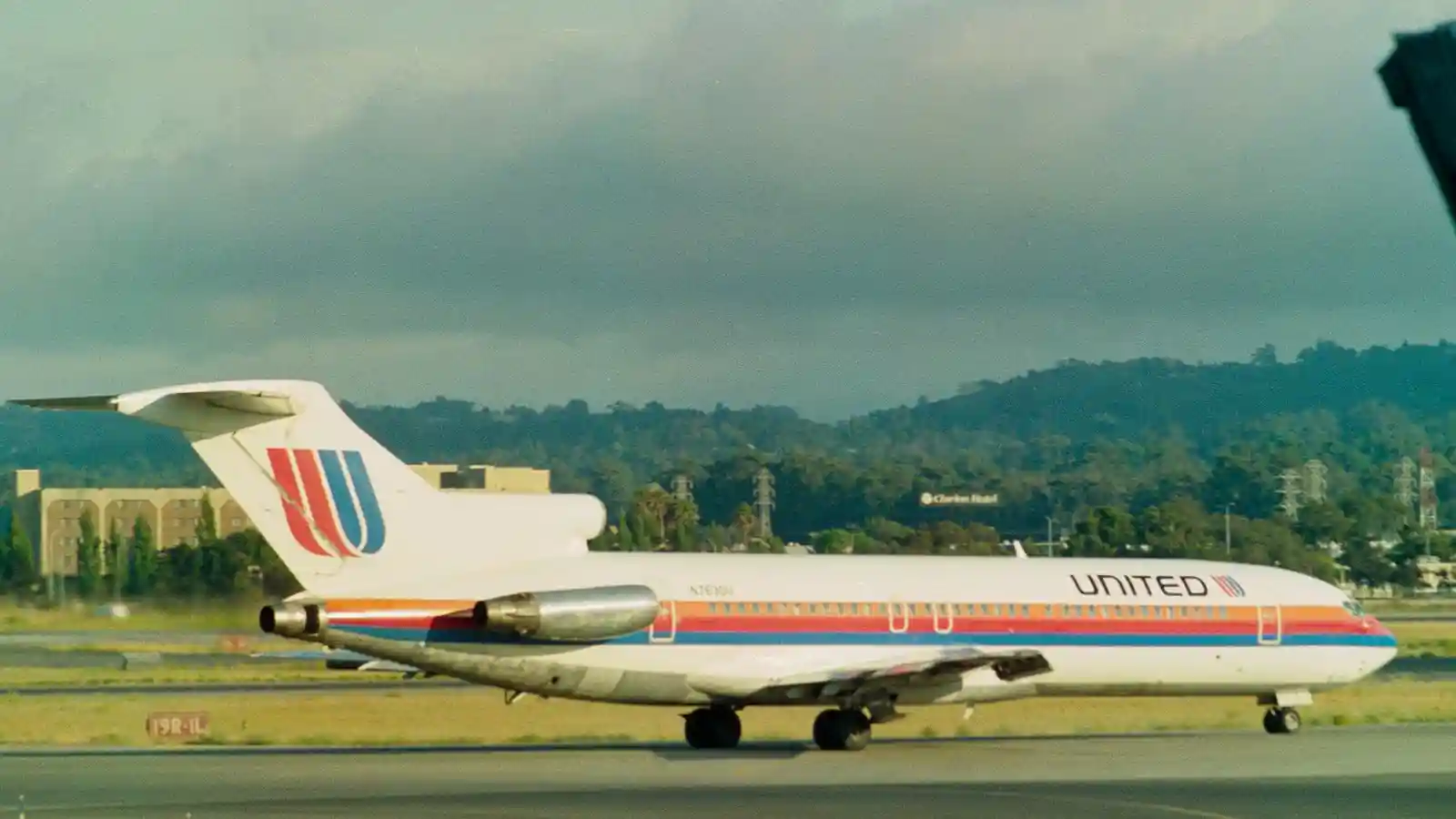
The aircraft also became deeply woven into American culture. During the 1970s and early 1980s, stepping aboard a Boeing 727 represented sophistication and modernity. Hollywood films frequently featured the jet. Corporate executives chartered them. Vacation travelers associated the aircraft with the excitement of the Jet Age.
At its peak, the Boeing 727 symbolized confidence in American aviation technology.
Delta Air Lines And The Last US Boeing 727 Flight
Among all operators, Delta Air Lines developed one of the closest relationships with the Boeing 727. The airline took delivery of its first example in 1972 and quickly integrated the aircraft throughout its growing route network.
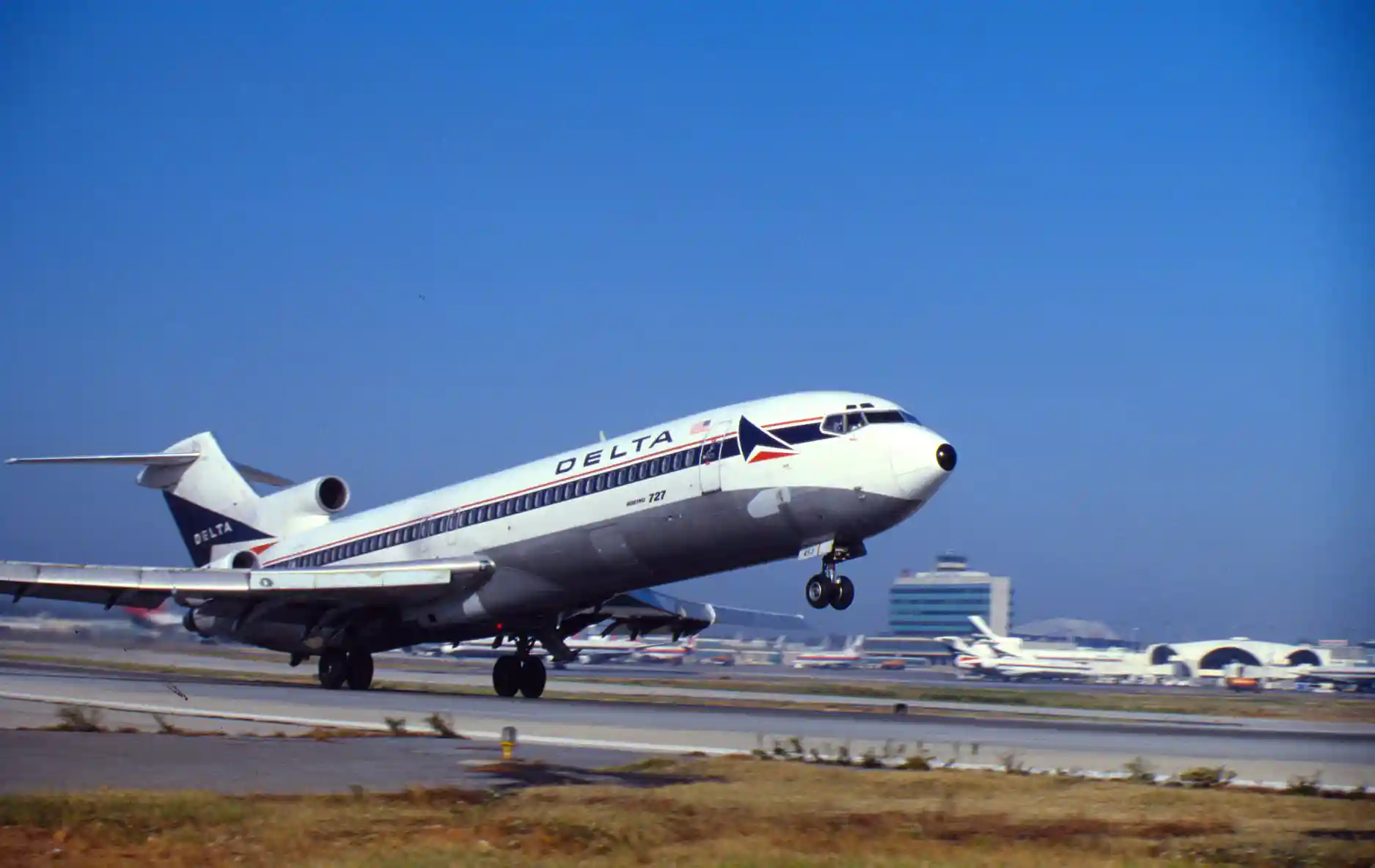
Over 31 years, Delta operated 191 Boeing 727s, consisting of eight 727-100s and an astonishing 183 727-200s. The airline even received the 500th and 1,000th Boeing 727 ever produced, highlighting the importance of the aircraft within Delta’s fleet strategy.
For Delta, the trijet was more than a transportation tool. It became a foundational pillar of the airline’s domestic expansion.
The aircraft connected Atlanta with dozens of cities across the United States, helping transform Hartsfield-Jackson Atlanta International Airport into one of the busiest aviation hubs in the world. Throughout the 1970s, 1980s, and early 1990s, the sight of multiple Delta 727s lined up on taxiways became common across American airports.
Executives inside the company repeatedly praised the aircraft’s reliability and popularity with passengers. Delta leadership viewed the 727 as an efficient workhorse capable of balancing economics with operational performance.
Yet by the late 1990s, the aviation landscape had changed dramatically.
Fuel prices rose sharply. Environmental concerns intensified. Newer twin-engine aircraft such as the Boeing 737-800 and Boeing 757-200 delivered substantially lower operating costs. Advances in engine reliability and ETOPS regulations made trijets increasingly unnecessary.
The Boeing 727 faced another costly disadvantage: flight engineer requirements. Unlike more modern two-crew aircraft, the 727 required a third crew member in the cockpit. Airlines seeking efficiency viewed this as an expensive relic of an earlier technological era.
Eventually, retirement became unavoidable.
On April 6, 2003, Delta operated America’s final scheduled commercial Boeing 727 passenger flight from Greensboro Piedmont Triad International Airport to Atlanta. Aviation enthusiasts gathered to witness the historic event, fully aware that they were watching the end of a uniquely American chapter in aviation history.
The Economics That Killed The Trijet
The Boeing 727’s downfall was not caused by a lack of popularity. Passengers continued to admire the aircraft, and pilots respected its performance. The real issue was economics.
Three engines consumed significantly more fuel than newer twinjets. During the oil crises of the 1970s and subsequent fuel price spikes in later decades, airlines became obsessed with efficiency. Every extra gallon of fuel mattered.
The 727’s Pratt & Whitney JT8D engines, once considered advanced, gradually became outdated. They generated more noise, burned more fuel, and required more maintenance than newer high-bypass turbofan engines entering service on modern aircraft.
Noise restrictions at airports also became increasingly strict. Communities near airports pushed aggressively for quieter fleets, forcing airlines to either retrofit older aircraft with expensive hush kits or accelerate retirement schedules.
Maintenance costs climbed steadily as fleets aged. Spare parts became more difficult to source, and keeping aging trijets airworthy demanded significant investment.
Meanwhile, aircraft like the Boeing 757 and Boeing 737 Next Generation family offered airlines dramatically improved economics while delivering comparable passenger capacity.
The transition was inevitable.
By the early 2000s, most major US carriers had already removed the Boeing 727 from passenger service entirely. Delta simply became the last to say goodbye.
The Boeing 727’s Complex Safety Legacy
Despite its legendary status, the Boeing 727’s operational history was not without tragedy. Over its lifetime, the aircraft became involved in hundreds of incidents and accidents.
Several early crashes damaged public confidence in the aircraft during its formative years. United Airlines Flight 389 crashed into Lake Michigan in 1965, becoming the first fatal Boeing 727 accident. Eastern Air Lines Flight 66 later crashed while approaching JFK Airport during severe weather conditions, killing 113 people.
Perhaps the most devastating Boeing 727 disaster occurred in 1986, when Mexicana de Aviación Flight 940 crashed shortly after departing Mexico City, killing all 167 people onboard.
These tragedies contributed to a complicated safety legacy. While many accidents resulted from weather, pilot error, or maintenance issues rather than fundamental design flaws, the aircraft nonetheless became associated with several high-profile disasters.
Yet context matters. The Boeing 727 also operated millions of successful flights over nearly four decades. During a period when global aviation expanded rapidly and safety standards evolved significantly, the aircraft became one of the most heavily utilized commercial jets ever built.
Its immense operational volume inevitably exposed it to greater statistical risk compared with smaller production programs.
The Last Passenger Boeing 727 In The World
Although Delta retired the final US passenger Boeing 727 in 2003, the aircraft continued flying internationally for years afterward.
Several airlines in Latin America, Africa, and the Middle East continued operating the type due to its durability and ability to serve demanding airports. Cargo operators also appreciated the aircraft’s ruggedness and rear loading capabilities.
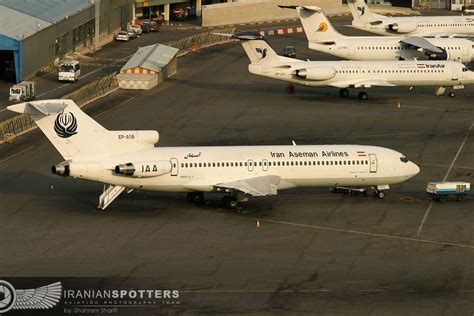
The very last commercial passenger Boeing 727 flight occurred on January 13, 2019, when Iran Aseman Airlines operated a final service between Zahedan and Tehran.
That flight quietly closed the passenger-service chapter of one of aviation’s most important aircraft programs.
Production of the Boeing 727 had already ended decades earlier in 1984 after 1,832 aircraft were built. Few commercial aircraft have achieved such remarkable production numbers while also leaving such a profound cultural impact.
Why The Boeing 727 Still Matters Today
The Boeing 727 occupies a unique place in aviation history because it arrived at exactly the right moment. It connected the propeller-driven past with the modern jet-powered future.
The aircraft helped normalize affordable jet travel for ordinary Americans. It enabled airlines to expand networks rapidly during a transformative period for transportation. It also introduced millions of passengers to the speed and convenience of jet aviation for the first time.
Even today, traces of the 727’s DNA remain visible across commercial aviation. Rear-mounted engine configurations influenced later aircraft designs. Operational lessons learned from the trijet shaped future Boeing narrowbody development programs. Airport infrastructure expanded partly because aircraft like the 727 increased passenger demand so dramatically.
For aviation enthusiasts, however, the aircraft’s appeal goes beyond engineering.
The Boeing 727 possessed personality.
Modern airliners prioritize efficiency, automation, and quietness. The 727 came from an era when aircraft still felt mechanical, visceral, and unapologetically dramatic. Its steep climb performance, distinctive engine howl, and aggressive landing profile gave it character that many believe modern jets lack.
That emotional connection explains why retired Boeing 727s continue appearing in museums, documentaries, and aviation photography collections around the world.
The final American trijet may no longer carry passengers through the skies, but its legacy remains permanently woven into the story of commercial aviation.