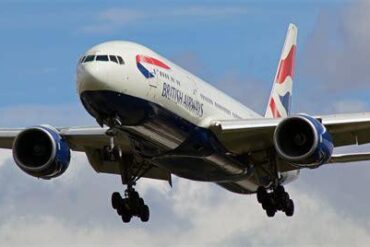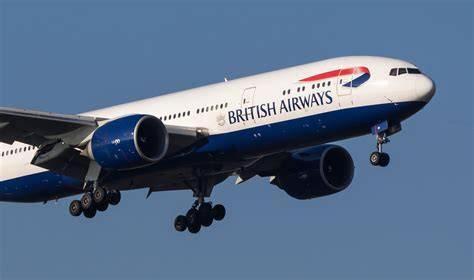
British Airways flight BA295 was forced to return to London Heathrow Airport on October 5 after its Boeing 777-200ER reportedly experienced a cabin depressurization problem while operating the scheduled transatlantic service to Chicago O’Hare International Airport. The aircraft, registered G-VIIA, was cruising at approximately 36,000 feet when the reported pressure issue occurred, prompting the crew to initiate a rapid descent and abandon the flight to the United States.
The incident turned an ordinary daily connection between two major international hubs into an almost five-hour flight to nowhere. Rather than continuing westward across the North Atlantic, the aircraft reversed course toward Britain while the crew dealt with the pressure problem and the operational consequences that followed. The flight eventually landed safely back at Heathrow, with the aircraft having spent a considerable amount of time airborne before it could return.
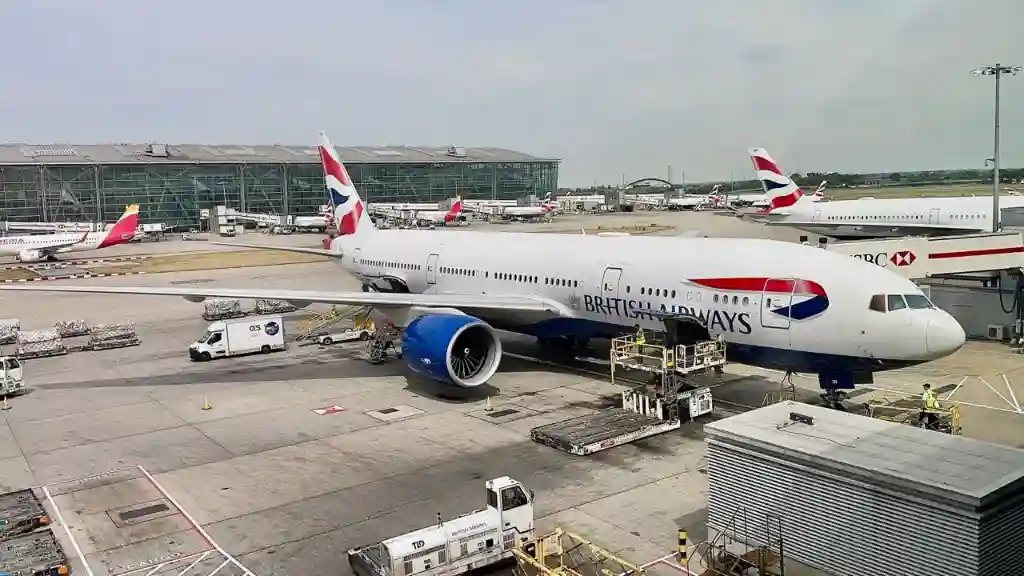
British Airways BA295 Makes Emergency Descent From 36,000 Feet
According to information reported from the flight and an ACARS transmission, BA295 encountered a pressure-related problem while cruising at around 36,000 feet. The aircraft reportedly descended to approximately 9,000 feet within seven minutes, a rapid altitude reduction consistent with the procedure used when an aircraft cannot maintain normal cabin pressure at high altitude.
The reported cabin altitude reached approximately 10,500 feet, compared with the roughly 8,000-foot cabin altitude normally maintained on many commercial flights. Reports circulating on social media also indicated that the aircraft’s oxygen masks deployed, although the full circumstances surrounding that detail had not been independently confirmed in the available information.
The emergency was also reflected by the aircraft’s transponder. BA295 reportedly selected squawk code 7700, the internationally recognized transponder code used to alert air traffic controllers that an aircraft is experiencing a general emergency requiring attention. The code itself does not identify the precise nature of the problem, but in this case it occurred alongside reports of a cabin-pressure issue.
Boeing 777 Was Too Heavy to Land Immediately
The pressure problem was only part of the challenge facing the BA295 crew. Because the Boeing 777-200ER had been prepared for a long flight from Britain to the United States, it was carrying a substantial quantity of fuel when the emergency occurred.
The aircraft was reportedly around 30 tonnes above its maximum landing weight, meaning an immediate landing at Heathrow was not considered appropriate under normal operating conditions. Instead, the crew had to remain airborne and burn fuel until the aircraft reached a suitable landing weight.
That process explains why the incident lasted much longer than a straightforward emergency return might suggest. After turning back toward the United Kingdom, the Boeing 777 reportedly flew repeated patterns over the sea around England and Wales, gradually reducing its fuel load. For passengers already dealing with a cabin-pressure event, the additional hours spent circling before landing would have made an already unusual flight considerably more stressful.
Nearly Five Hours in the Air Before Returning to Heathrow
BA295 departed Heathrow at approximately 12:14 PM local time, about an hour after its planned 11:10 AM departure. Instead of continuing toward Chicago, the aircraft turned around after the reported depressurization event and ultimately landed back at Heathrow at approximately 5:02 PM.
The total flight time was just under five hours, despite the aircraft never reaching its intended destination. Following landing, the Boeing 777 was reportedly followed toward its satellite gate at Terminal 5C by a ground service vehicle.
For the passengers, the consequences extended beyond the emergency itself. A transatlantic journey that should have ended at Chicago O’Hare instead ended at the same airport where it began. British Airways therefore faced the logistical task of determining how to accommodate hundreds of passengers and arrange another attempt at the journey.
The 30-Year-Old Boeing 777-200ER Involved
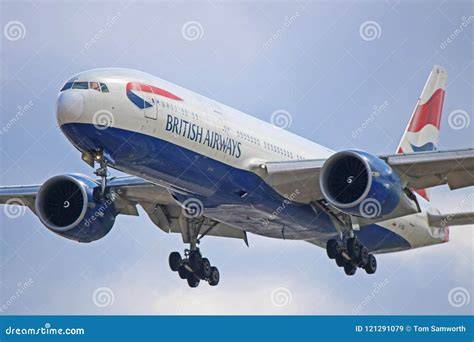
The aircraft involved was G-VIIA, a Boeing 777-200ER that was reportedly around 30 years old. The aircraft is one of 43 Boeing 777-200ERs currently associated with British Airways’ fleet, according to the referenced aviation data.
The age of the aircraft is notable, but it should not by itself be interpreted as evidence that age caused the incident. The Boeing 777 has accumulated decades of service across airlines worldwide, and cabin-pressure problems can have multiple possible causes involving the aircraft’s pressurization system, valves, seals, sensors, doors, or other components.
Determining what actually happened will require technical inspection and analysis by British Airways and relevant maintenance personnel. At this stage, the reported depressurization describes the event rather than establishing its underlying cause.
What Happens to Passengers After the Diversion?
The return to Heathrow creates a second operational problem for British Airways: getting the affected passengers to Chicago. The airline must determine whether BA295 can be repaired and returned to service quickly, or whether another aircraft will be required.
Crew duty limitations could also complicate the recovery. After spending nearly five hours in the air, the original crew may not have sufficient remaining legal duty time to operate another long-haul flight to Chicago the same day. Depending on the technical investigation, available aircraft, and crew scheduling, passengers could therefore face a delay or overnight accommodation before the journey resumes.
The incident also demonstrates why a cabin depressurization at cruise altitude can trigger a sequence of decisions extending well beyond the initial emergency descent. Once the aircraft reaches a safer lower altitude, the crew must assess the condition of passengers and aircraft systems, communicate with air traffic control, determine the most appropriate diversion airport, and consider landing-weight limitations.
British Airways Investigation Will Focus on Pressure Loss
The most important unanswered question is what caused the cabin pressure problem on BA295. The reported ACARS communication confirms that the crew identified a pressure issue, but it does not by itself establish which component or system failed.
British Airways will likely conduct a detailed technical inspection of G-VIIA before the aircraft returns to normal passenger service. Engineers will need to examine the pressurization system and related aircraft data while investigators assess the sequence of events recorded during the flight.
For now, the most significant outcome is that the Boeing 777 returned safely to Heathrow after the reported emergency. The nearly five-hour flight demonstrates the considerable operational impact of a depressurization event, particularly when a heavily fueled widebody aircraft must remain airborne to reach a safe landing weight.