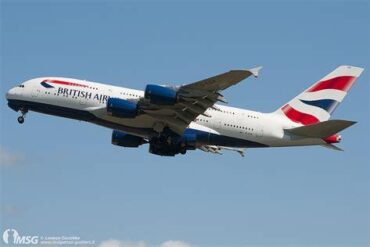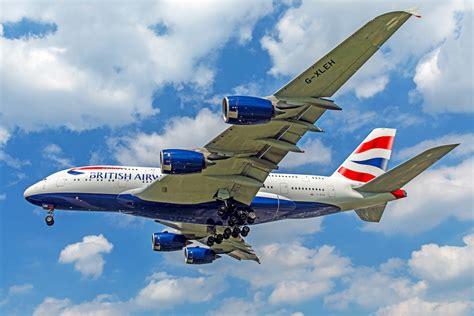
British Airways has unveiled two major changes to its Airbus A380 schedule, signaling another important phase in the airline’s fleet reshaping strategy. The carrier will restore Airbus A380 flights to Singapore from September while removing the superjumbo from Johannesburg at the start of the winter season. Together, these adjustments show how British Airways is redeploying capacity as aircraft undergo extensive cabin retrofits and seat reconfigurations.
The airline’s Airbus A380 fleet remains a high-profile part of its long-haul network, but each aircraft is becoming more valuable during the refurbishment process. With fewer aircraft available at any given time, route decisions now reflect a sharper focus on profitability, premium demand, and strategic connectivity from London Heathrow.
British Airways previously operated the A380 across several flagship markets, but recent months have brought constant schedule revisions. Los Angeles already lost the aircraft this winter, and now South Africa follows. At the same time, Singapore regains one of aviation’s most recognizable aircraft types.
Airbus A380 Returns To Singapore From September
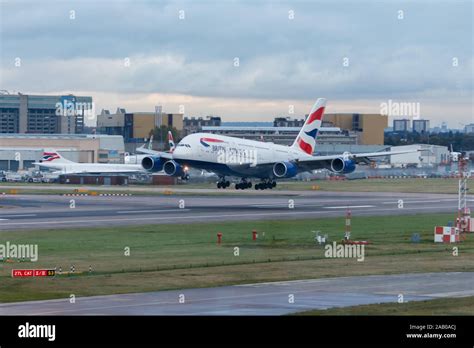
From September 7, British Airways plans to resume daily Airbus A380 service between London Heathrow and Singapore Changi. The route will remain scheduled through at least March 2027, based on currently published data.
This is a notable move because Singapore becomes the airline’s longest Airbus A380 route by both distance and operating time. The flight covers approximately 5,879 nautical miles (10,888 kilometers) each way, overtaking Johannesburg by around 20 percent. Scheduled block times reach up to 14 hours 40 minutes, making it one of the most time-intensive missions in the British Airways network.
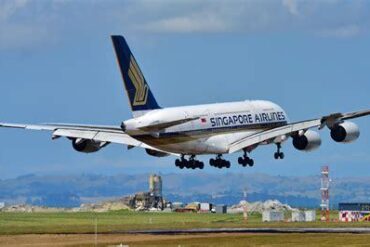
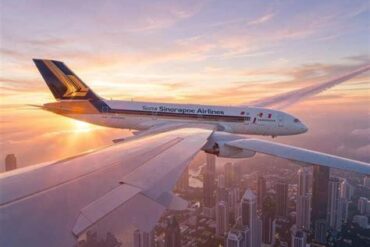
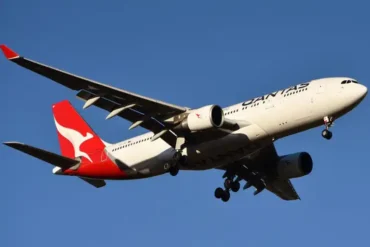
The route also strengthens Heathrow–Singapore as one of the world’s most significant A380 corridors. British Airways will join Qantas and Singapore Airlines, meaning three separate airlines will use the double-decker aircraft on the same airport pair. Few long-haul routes can match that level of A380 concentration.
British Airways operates two daily Heathrow–Singapore services. One continues onward to Sydney, while the other terminates in Singapore. As in earlier years, the Airbus A380 will be assigned to the standalone Singapore service, replacing the Boeing 787-9.
That swap creates a dramatic increase in capacity. The outgoing 787-9 offers 216 seats, while the A380 currently seats 469 passengers. That means 117 percent more seats per departure, including a significant boost in premium cabins and 55 additional business class seats.
For a market like Singapore—where corporate travel, tourism, and connecting demand remain strong—that extra space could prove highly valuable.
Johannesburg Loses The Superjumbo This Winter
While Singapore gains, Johannesburg loses.
British Airways’ latest schedule indicates that the final Heathrow–Johannesburg Airbus A380 departure for now will leave on October 24, the last day of the northern summer season under IATA scheduling rules. From October 25 onward, the aircraft will be replaced by the Boeing 787-9.
That is a striking reversal. Historically, British Airways often deployed the A380 to Johannesburg during the European winter, which coincides with the Southern Hemisphere summer and stronger seasonal demand to South Africa.
At one stage, the airline had already reduced Johannesburg A380 service from twice daily to once daily. Now the type has been removed completely.
This will mark the first winter season since the pandemic recovery in which Johannesburg does not see the British Airways superjumbo. For passengers, it means fewer total seats and the loss of one of the airline’s roomiest cabins on a long overnight sector.
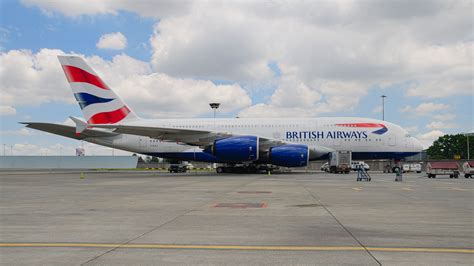
However, the move may be temporary. British Airways is preparing refurbished A380s with upgraded interiors and a more premium-heavy configuration. Once those aircraft enter regular service in larger numbers, Johannesburg could easily return to the map.
Why British Airways Is Making These Changes
The key driver is fleet modernization.
British Airways is retrofitting its Airbus A380s, reducing seat count from 469 seats to 421 seats while improving premium products and introducing newer cabins. Fewer seats may sound counterintuitive, but airlines increasingly prioritize revenue per seat rather than sheer volume.
Premium travelers often generate the highest margins on long-haul routes. By adding better business and first-class offerings while refining economy layouts, British Airways aims to compete more aggressively against Gulf carriers, Asian airlines, and European rivals.
That strategy explains why Singapore is attractive. It combines strong business demand, leisure traffic, and onward connectivity across Asia-Pacific. Johannesburg, while important, may currently offer lower returns relative to aircraft availability.
In plain terms: when A380 supply is tight, the airline sends them where they earn the most.
Five Daily A380 Flights Planned This Winter
As of late April, British Airways has scheduled five daily Airbus A380 departures from Heathrow for the upcoming winter season across four routes:
- Dubai – daily
- Miami – twice daily
- San Francisco – daily
- Singapore – daily
That network is smaller than previous peaks. Compared with last November, A380 departures are down around 29 percent, and still below pre-pandemic 2019 levels.
Yet this likely represents a transitional moment rather than a permanent retreat. As more refurbished aircraft return to service through 2027, British Airways could gradually rebuild frequencies or reopen former A380 destinations.
What It Means For Passengers
For travelers to Singapore, the return of the A380 means more seats, a quieter cabin, and the spacious two-deck experience many passengers still prefer. On high-demand routes, the aircraft remains an excellent tool for balancing comfort and capacity.
For Johannesburg passengers, the change means smaller aircraft and potentially tighter seat availability during busy travel periods.
For aviation watchers, it confirms that the Airbus A380 is no museum piece just yet. British Airways is still investing in the type—and making calculated decisions about where it can shine brightest.