Helicopters, traditionally seen as slow and methodical workhorses of the skies, have steadily rewritten their narrative in the world of aerial maneuverability. Today, the question, can a helicopter do a barrel roll, sparks both fascination and skepticism among aviation enthusiasts. Unlike fighter jets, which effortlessly slice through the skies with high-speed rolls and loops, helicopters are bound by complex aerodynamic limitations that make such maneuvers exceedingly rare—but not impossible.
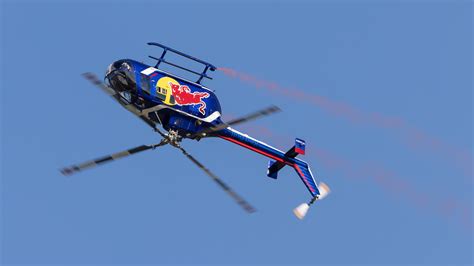
Helicopter designs inherently prioritize vertical lift over horizontal speed. Their main rotor systems, transmission layouts, and gravity-dependent fuel mechanisms typically restrict them from engaging in aerobatic feats. Yet, specialized rotorcraft like the Red Bull MBB BO-105C prove that with the right modifications, helicopters can break the mold of conventional flight.
Understanding the Difference: Barrel Roll vs. Aileron Roll in Helicopters
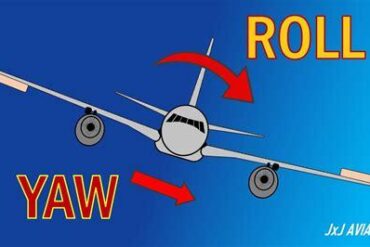
A common misconception revolves around the term “barrel roll” itself. In fixed-wing aircraft, a barrel roll involves the plane following a helical path, effectively flying around the inside of an invisible tube while rotating about its longitudinal axis. Conversely, an aileron roll is a faster, axial rotation along the aircraft’s centerline without the climbing arc of a barrel roll.
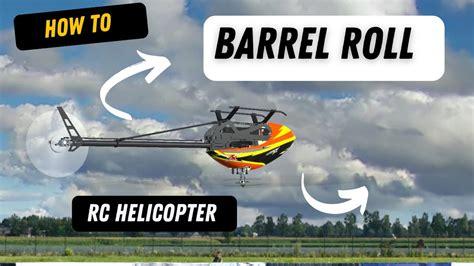
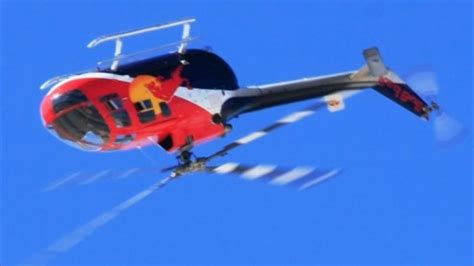
Helicopters, by their structural design, cannot perform these maneuvers in the same manner. Due to their rotor-driven lift system and vulnerability to dynamic rollover, a true aileron roll or traditional barrel roll isn’t practically feasible. What helicopters like the BO-105C can execute, however, is a hybrid maneuver resembling elements of both rolls—a controlled inversion and rotation without structural failure or loss of lift.
Engineering Triumph: The Technology Behind Helicopter Rolls
Three primary technological innovations enable the Red Bull Flying Bulls helicopters to achieve such aerial feats:
1. Dry Sump Oil Systems
Unlike wet sump systems common in standard helicopters, the dry sump oil system utilizes an externally mounted oil reservoir positioned above the engine. This configuration ensures continuous lubrication regardless of the helicopter’s orientation, crucial during high-G, inverted stunts. The inclusion of a scavenge pump returns oil to the tank, preventing engine starvation.
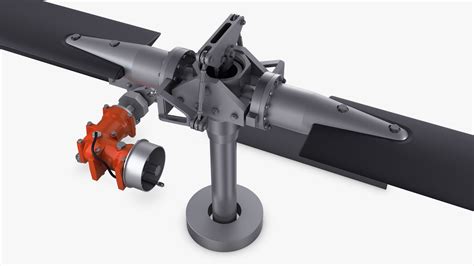
2. Rigid Rotor Systems
At the heart of the BO-105C’s aerial prowess lies its rigid rotor system. Unlike traditional flapping or lead-lag rotor systems, the rigid design minimizes blade movement beyond pitch changes and flexing under load. This enhanced stability and responsiveness allow precise control during aggressive maneuvers, where conventional systems would risk blade collision or structural overload.
3. Pressurized Fuel Systems
Most helicopters rely on gravity-fed fuel systems, a logical choice when the craft remains upright. However, inverted flight would interrupt this flow, potentially shutting down the engine mid-maneuver. The BO-105C’s specialized fuel pumps ensure continuous fuel delivery irrespective of aircraft orientation, safeguarding performance during inverted rolls and flips.
The Red Bull BO-105C: A Legacy of Aerial Excellence
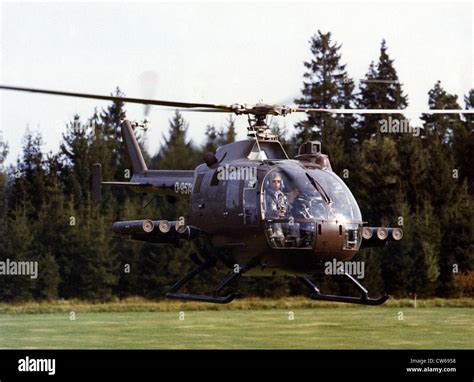
Originally introduced in 1974, the MBB BO-105C emerged as a revolutionary light utility helicopter. Boasting a hinge-less rotor head and glass-reinforced plastic blades, it became the world’s first light twin-engine helicopter capable of advanced maneuvers. Before its aerobatic fame, the BO-105C served global police forces, military units, and rescue operations, where its agility and compact frame offered tactical advantages.
The Flying Bulls, Red Bull’s aerobatic team, adopted two such helicopters, extensively modifying them for aerial displays. Their configuration includes:
- Engines: Two Rolls-Royce 250-C20B engines delivering 420 horsepower each.
- Max Speed: Approximately 167 mph.
- Cruise Speed: Steady at 136 mph.
- Maximum Takeoff Weight: 5,291 pounds.
- Service Ceiling: Around 17,001 feet.
These specifications, though modest compared to high-speed military rotorcraft, translate into unmatched low-speed agility and precision. It’s this unique capability that transforms the BO-105C into a true performer at air shows worldwide.
Are All Helicopters Capable of Barrel Rolls?
The simple answer is no. Only a select few helicopters possess the necessary combination of:
- Rigid rotor systems
- Dry sump oil configurations
- Pressurized fuel mechanisms
Most helicopters lack these specialized systems. Attempting such maneuvers in standard helicopters would likely result in catastrophic mechanical failure or crash. Larger helicopters, like the Sikorsky UH-60 Black Hawk or Boeing CH-47 Chinook, possess neither the structural agility nor the system redundancies required to execute sustained inverted flight without severe risk.
Notably, experimental test pilots sometimes push military helicopters to their design limits, but even they avoid sustained rolls or loops. The BO-105C’s capacity to perform hybrid barrel roll maneuvers thus remains a rarity within rotorcraft aviation.
Aerobatic Helicopters: Not Just for Entertainment
While the Flying Bulls BO-105C helicopters captivate airshow audiences globally, their technological prowess holds practical applications beyond entertainment. In military and rescue operations, the inherent maneuverability of such rotorcraft allows for:
- Rapid evasive movements in combat zones.
- High-agility insertions and extractions.
- Improved navigation through urban or mountainous terrains.
By mastering controlled, rapid rolls or pitch reversals, pilots can avoid threats or reach trapped victims in ways traditional helicopters cannot.
The Future of Helicopter Aerobatics
Modern advancements in rotorcraft technology continue to explore the boundaries of flight. New materials, digital flight control systems, and hybrid powerplants hint at a future where aerobatic maneuvers in helicopters might become more common, even routine. Companies like Airbus and Bell are experimenting with fly-by-wire helicopters and tiltrotor systems, potentially bridging the gap between fixed-wing agility and rotorcraft versatility.
Nevertheless, current limitations in rotor blade dynamics and mechanical stresses pose significant barriers. Until those are overcome, the MBB BO-105C will remain one of the few helicopters capable of performing what can only be described as a barrel roll—albeit with the unique flair that only rotorcraft can provide.
Conclusion: Aerial Mastery Against All Odds
The question, can a helicopter do a barrel roll, is as much about understanding aviation engineering as it is about witnessing aeronautical artistry. Through the convergence of innovative rotor systems, advanced lubrication and fuel configurations, and pilot skill, the Red Bull Flying Bulls prove that helicopters can indeed defy expectations. Their BO-105C helicopters, once humble police vehicles, now command the skies with maneuvers that blur the line between machine and magic. And while most helicopters will never experience inverted flight, the few that can remain a testament to human ingenuity in aviation.