Ryanair, the juggernaut of European low-cost air travel, has long dominated short-haul routes with its aggressively lean business model. The airline’s success across Europe is nearly unrivaled, fueled by relentless cost-cutting, high aircraft utilization, and minimal onboard services. But as whispers intensify about Ryanair’s ambitions to expand into long-haul destinations — including the Middle East, North Africa, and possibly Asia — the aviation industry is watching closely. Can the pioneer of budget travel truly scale its no-frills model into intercontinental markets dominated by comfort-heavy full-service carriers?
The Low-Cost Model Meets Long-Haul Complexity
At the heart of Ryanair’s meteoric rise lies its simple yet ruthless formula: maximize passenger load, minimize operational costs, and eliminate unnecessary frills. This works well on flights under three hours, where passengers are generally willing to sacrifice legroom, free refreshments, and in-flight entertainment in exchange for lower fares. However, once flights stretch beyond the six-hour mark, passenger expectations evolve.
Long-haul travel introduces complexities that short-haul operations don’t have to consider. These include:
- Aircraft capability: Ryanair currently operates a fleet of Boeing 737s, which are optimized for short to medium-haul journeys. Long-haul operations would require wide-body aircraft such as the Boeing 787 or Airbus A330 — planes Ryanair neither owns nor leases.
- Crew rest and turnaround: Longer flight durations necessitate additional crew and enforced rest periods, leading to increased costs and lower aircraft utilization — antithetical to Ryanair’s profit model.
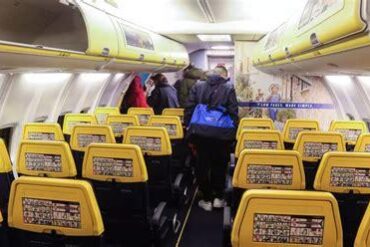
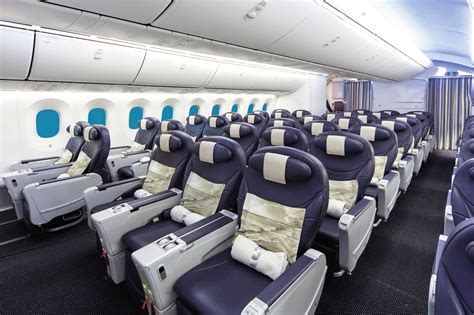
- In-flight experience: On a 10+ hour journey, passengers expect entertainment systems, hot meals, and more generous legroom — features that Ryanair’s current model outright avoids.
Competitive Landscape: Lessons from Failed Budget Long-Haul Carriers
The low-cost, long-haul dream is not uncharted territory. Several airlines have previously attempted to bridge this model with varying degrees of failure. Norwegian Air, once a poster child for transatlantic budget travel, eventually scaled back its long-haul operations due to unsustainable costs, rising fuel prices, and intense competition. Similarly, WOW Air collapsed under the weight of ambitious growth plans and underwhelming margins.
These cautionary tales underscore a critical reality: low fares alone don’t guarantee long-haul profitability. Fuel costs comprise a larger share of long-haul expenses. Delays are more disruptive and expensive. Demand is less elastic, and competition from full-service carriers with deep alliances and loyalty programs is fierce.
Brand Identity Crisis: Can Ryanair Afford to Evolve?
Perhaps the most significant challenge Ryanair faces is one of perception. The airline is almost proudly spartan — charging for everything from seat selection to cabin baggage, and unapologetically doing so. This brand image, while tolerable on a €29 flight from Berlin to Barcelona, may not resonate with passengers traveling overnight to Dubai or Mumbai.
Ryanair would likely have to soften its brand to meet basic long-haul expectations, which may include:
- Complimentary meals and beverages
- Entertainment systems or BYOD (Bring Your Own Device) setups with media access
- A tiered cabin structure (economy, premium economy)
- Baggage allowances included in base fares
Each of these features adds cost, both in real terms and to the operational complexity Ryanair has historically avoided. The question then becomes: can Ryanair incorporate these elements without losing its low-cost DNA?
Fleet Limitations: No Long-Haul Aircraft in Sight
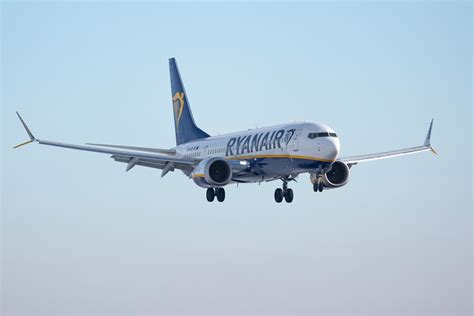
As of mid-2025, Ryanair does not possess the aircraft needed for true long-haul routes. Its newest addition, the Boeing 737 MAX 8-200, is a high-density narrow-body aircraft optimized for European routes. These jets have extended range compared to older models but fall well short of what’s needed for intercontinental flights to Asia or deep into Africa.
This begs the question: is Ryanair actually serious about long-haul, or merely testing waters for mid-haul expansion? Markets such as the Gulf, North Africa, and parts of Central Asia can be reached with single-aisle aircraft, allowing Ryanair to extend its reach without committing to wide-body investments. Still, these mid-haul routes face their own regulatory and competitive hurdles.
Regulatory and Infrastructure Barriers
Launching long-haul operations isn’t just about having the right aircraft. Ryanair would need to navigate a maze of bilateral air service agreements, obtain landing rights at major international hubs, and adapt to airport infrastructure demands. Many premium airports charge significantly higher fees than Ryanair is used to paying. Additionally, these airports often prioritize slots for full-service carriers, making it harder for Ryanair to schedule cost-efficient turnaround times.
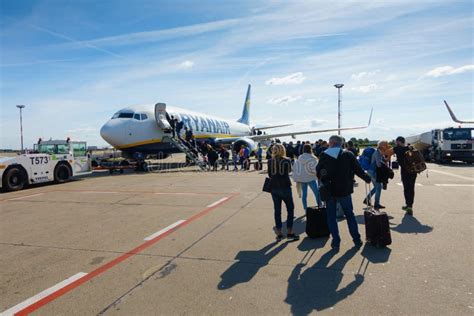
Then there’s the issue of airport amenities and passenger processing. Budget terminals in Europe are designed for quick in-and-out flows. International airports, particularly in Asia or the Middle East, focus on luxury and comfort. Passengers might balk at the mismatch if Ryanair doesn’t match expectations.
Market Opportunities: A Glimmer of Potential
Despite the hurdles, the market demand for low-cost long-haul travel is real. Millions of budget-conscious travelers, especially digital nomads, students, and migrant workers, are constantly looking for cheaper ways to cross continents. If Ryanair can find a sustainable operating model, there is fertile ground to grow.
Emerging markets in South Asia, Eastern Africa, and Central Asia are underserviced and often lack direct connections to Europe outside legacy carriers. These routes could provide early entry points for Ryanair to test demand. A modified version of its model — offering ultra-low base fares with optional comfort upgrades — might strike a chord with price-sensitive travelers willing to trade luxury for affordability.
Potential Strategic Moves: Partnerships or Spin-Offs?
To circumvent fleet limitations and manage risk, Ryanair could explore joint ventures or spin-off brands. A new entity under the Ryanair Group umbrella could be created to handle long-haul routes, potentially with leased wide-body aircraft and a slightly differentiated service offering. This tactic would mirror what other major airlines have done:
- Lufthansa with Eurowings Discover
- IAG with LEVEL
- Singapore Airlines with Scoot
Another route could be strategic partnerships with regional carriers in Asia or the Middle East, offering shared codes or interline connections. While Ryanair has traditionally shunned interline agreements, evolving market dynamics might make such arrangements both profitable and necessary.
Can Ryanair Truly Disrupt the Global Skies?
The ultimate question remains whether Ryanair’s DNA — shaped by its founder Michael O’Leary’s relentless pursuit of simplicity and savings — can bend enough to accommodate the demands of long-haul travel without breaking. The stakes are high. Missteps in aircraft acquisition, service design, or route planning could result in substantial financial loss and brand dilution.
Still, if any airline has the sheer willpower and operational discipline to try, it might just be Ryanair. Its track record of entering markets skeptics said were impossible — and turning a profit — is undeniable. But the long-haul game is a different beast, one where price alone is seldom king.
In an era where full-service airlines are unbundling their offerings to compete with budget players, the competitive line is already blurring. Ryanair must decide whether to stick to its roots or redefine them.
Conclusion: The Verdict Is Still Up in the Air
For now, Ryanair’s ambitions remain speculative without concrete investment in wide-body aircraft or confirmed route announcements. However, the airline’s interest signals a potential future shift — not just for Ryanair, but for the global aviation landscape. If the airline can craft a viable hybrid model that merges cost-efficiency with passenger comfort on longer journeys, it could very well force legacy carriers to rethink their pricing models and service tiers.
But without significant operational changes and a strategic pivot, Ryanair may find itself grounded before it even takes off in the long-haul arena.