Canada’s defense establishment is grappling with a scenario that, until recently, belonged strictly to the realm of dark humor and academic hypotheticals: a direct military confrontation with the United States. Once defined by an almost mythological trust, the U.S.–Canada relationship is now being stress-tested by geopolitical volatility, unconventional rhetoric, and the unsettling lesson that even the closest alliances can fray under pressure. Ottawa’s response has been neither theatrical nor dismissive. Instead, it has been methodical, data-driven, and quietly sobering.
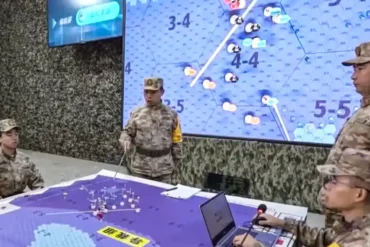
For more than a century, the world’s longest undefended border symbolized a unique model of international cooperation. That assumption—that proximity plus shared values equaled permanent security—no longer feels invincible. Canadian military planners are now running war models that treat an American invasion not as probable, but as possible. In defense planning, that distinction matters more than most civilians realize.
This shift does not signal paranoia. It reflects a colder strategic logic shaped by recent global events. Countries once considered immune from invasion have learned, painfully, that geography and friendship are not armor. Canada is watching, calculating, and preparing—careful not to provoke, but unwilling to be caught unready.
From Sacred Border to Strategic Variable
Winston Churchill once described the U.S.–Canada frontier as a civilizational achievement, a border protected by trust rather than troops. John F. Kennedy later elevated the relationship into a near-poetic alliance built on shared necessity. Those words still echo in diplomatic halls, but military planners are paid to distrust poetry.
The border itself stretches nearly 8,900 kilometers, weaving through forests, lakes, tundra, and urban corridors. Its very openness, once a strength, is now a vulnerability in theoretical models. Unlike fortified frontiers elsewhere in the world, this border offers countless points of entry, many near critical population centers and infrastructure hubs.
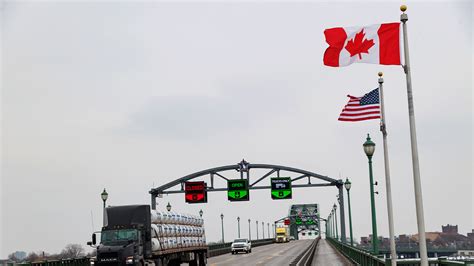
Canadian defense analysts understand a blunt reality: if the United States chose to apply overwhelming conventional force, resistance at the border would be brief. Modeling suggests that key land, sea, and air positions could be neutralized in days—perhaps even hours—given the disparity in capabilities. That acknowledgment forms the foundation of Canada’s evolving strategy.
The Military Imbalance Canada Cannot Ignore
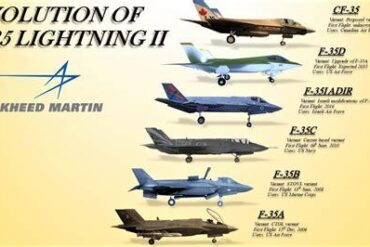
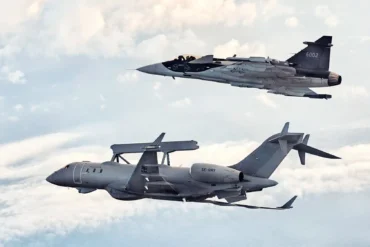
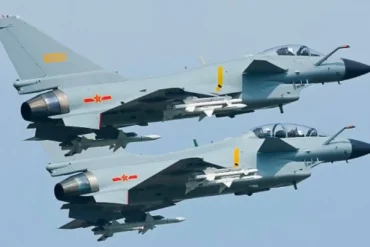
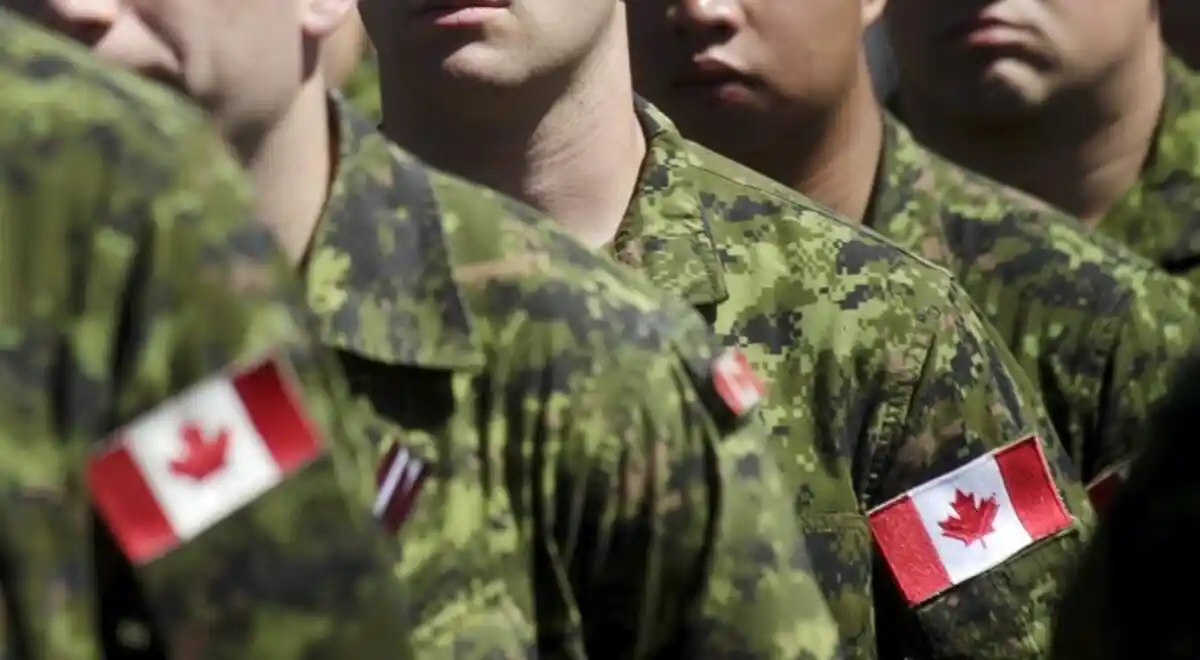
The numbers are not subtle. The United States fields more than 1.3 million active-duty personnel, backed by unmatched airpower, naval dominance, and global logistics. Canada’s regular force hovers around 100,000, with limited heavy assets and no aircraft carriers. The U.S. operates over 2,300 combat aircraft; Canada deploys fewer than a hundred frontline fighters.
This imbalance makes traditional defense—a stand-up, symmetrical war—not just unrealistic, but strategically irrational. Canadian planners are not fantasizing about tank battles outside Toronto or naval duels in the Atlantic. They are instead asking a more uncomfortable question: How does a smaller power make occupation unbearable for a larger one?
The answer, drawn from history, is insurgency.
Why Ottawa Is Studying Afghanistan and Ukraine
Canada’s war models reportedly borrow heavily from conflicts where weaker forces resisted technologically superior invaders. Afghan fighters used terrain, patience, and decentralized operations to bleed two superpowers across decades. Ukrainian forces demonstrated how drones, portable anti-armor weapons, and civilian resilience can stall and punish a mechanized advance.
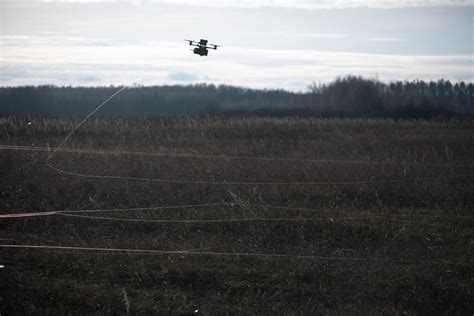
The Canadian version of this approach would rely on small, mobile units, deep familiarity with local terrain, and widespread civilian participation. The objective would not be victory in the traditional sense, but denial—denying the occupier stability, legitimacy, and safety.
Ambushes, sabotage of logistics, cyber disruption, and precision drone strikes would replace conventional maneuver warfare. Every city, forest, and frozen highway becomes part of the battlespace. In this model, time favors the defender, not the invader.
The 400,000-Strong Reserve Vision
At the heart of this thinking is an ambitious proposal: a volunteer reserve force exceeding 400,000 people. This would not resemble mass conscription armies of the twentieth century. Instead, it would function as a distributed network—trained, lightly armed, and capable of rapid local action.
These volunteers could serve in roles ranging from intelligence gathering and infrastructure protection to direct kinetic disruption. Even unarmed participants could contribute by denying occupiers administrative control, slowing logistics, and maintaining parallel civic structures.
Such a force sends a clear signal: occupation would not mean compliance. It would mean persistent resistance embedded within society itself.
Signals That Would Precede the Unthinkable
Canadian planners are not blind to escalation dynamics. They believe any serious move toward invasion would be preceded by unmistakable signs—chief among them, a rupture in NORAD, the binational command that has jointly defended North American airspace for decades.
The collapse of NORAD cooperation would be more than bureaucratic drama. It would represent a fundamental break in strategic trust, triggering immediate defensive posturing across Canada. Military exercises, force dispersal, and international diplomatic outreach would accelerate overnight.
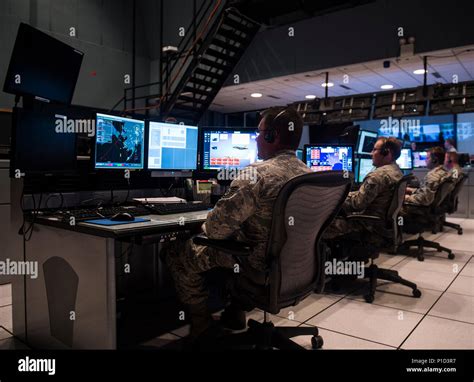
These models exist precisely to recognize such signals early, allowing Canada to shift from peacetime posture to resistance preparation before the first shot is fired.
The International Dimension: Canada Would Not Stand Alone
While Canada may lack the capacity to repel an invasion alone, it is not geopolitically isolated. Planners anticipate rapid diplomatic and material support from European allies, particularly nuclear-armed powers like the United Kingdom and France. Germany, Japan, and other democratic states would face immense pressure to respond.
Foreign naval deployments, air patrols, intelligence sharing, and arms transfers could transform the conflict from a bilateral crisis into a global one. That prospect alone acts as a powerful deterrent.
Retired Canadian commanders have been blunt: occupying a country as vast and developed as Canada would strain even the U.S. military beyond its comfort zone. Urban centers, supply lines, and political legitimacy would all become contested terrain.
Ottawa Is Not Kyiv—and That Matters
Some analysts warn against simplistic comparisons. Canada’s geography, climate, and infrastructure differ radically from Ukraine’s. Yet one lesson carries over cleanly: seizing a capital does not equal controlling a nation.
Even if Ottawa fell, resistance would not evaporate. Major population centers are spread across immense distances. Governing them under hostile conditions would require manpower the U.S. military does not currently maintain for occupation duties.
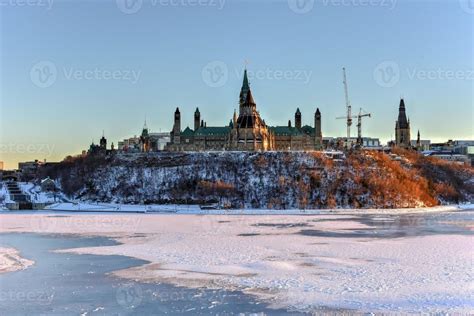
Canadian officials emphasize that these preparations are not a declaration of hostility. They are a form of strategic insurance—a recognition that deterrence works best when backed by credible plans.
Strategic Signaling, Not Strategic Panic
The quiet development of invasion models serves a dual purpose. Internally, it forces realism into defense planning, stripping away comforting assumptions. Externally, it communicates resolve without theatrics.
Canada is not attempting to match American power. It is aiming to raise the cost of aggression high enough to make the idea self-defeating. History suggests that even superpowers hesitate when faced with prolonged, politically corrosive conflicts.
This is defense as psychology as much as firepower.
A Relationship Tested, Not Yet Broken
The irony is hard to miss. Two nations bound by history, culture, and shared sacrifice are now studying how they might one day fight. That does not mean they will. In fact, the existence of such plans may help ensure they never have to be used.
Canada’s message is subtle but firm: friendship does not preclude preparedness. Respect endures best when backed by the capacity to resist coercion.
In a world where alliances can shift faster than borders, Ottawa is choosing clarity over comfort. The unthinkable has been modeled, not because it is expected—but because ignoring it would be the greater risk.