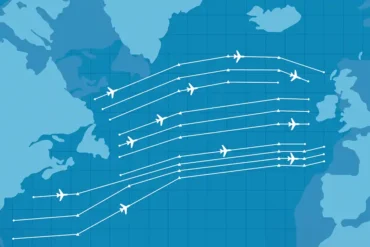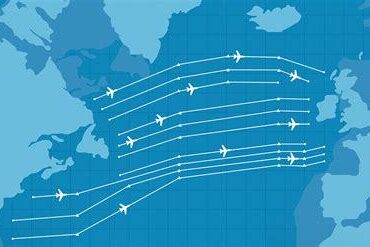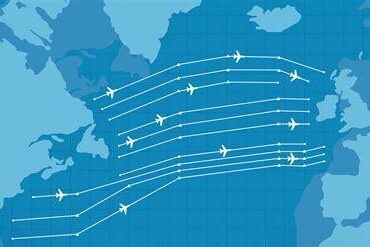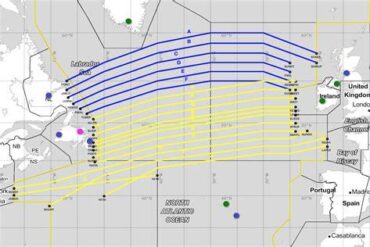
The North Atlantic (NAT) airspace is a vital corridor connecting Europe and North America. It is known as the busiest oceanic airspace globally. In 2012, around 460,000 flights crossed this region, and traffic levels have continued to rise since then. Unlike many other airspaces, Direct Controller Pilot Communications (DCPC) and ATS Surveillance are largely unavailable in the NAT area. Therefore, maintaining safety relies on strict adherence to high standards of horizontal and vertical navigation performance and operating discipline.
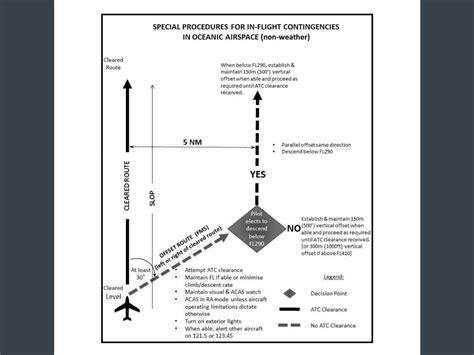
Operating discipline goes beyond just following normal procedures. It also includes specific protocols for unusual situations like equipment failures, avoiding bad weather, making rapid descents, diverting routes, and turning back when necessary. Failure to comply with these guidelines can lead to a Loss of Separation, which is a critical safety issue. This article aims to outline the contingency procedures relevant to individual aircraft operating within the North Atlantic airspace.
Please note that some contingency procedures mentioned here were updated on March 28, 2019, as detailed in NAT Ops Bulletin 2018_005. For the complete information, refer to the Ops Bulletin.