Definition of Capacity
Capacity refers to the maximum number of aircraft that an air traffic management system can accommodate within a specific timeframe, often described as throughput. According to ICAO Doc 9882, this capacity is influenced by various factors including route structure, types of aircraft, weather conditions, available equipment, and operational procedures. While there is a natural tendency to increase capacity to minimize restrictions on aircraft, safety must always remain a priority. The number of aircraft receiving air traffic control (ATC) service should not exceed safe handling limits.
Assessing Capacity
The maximum number of flights that can be safely managed is determined through careful assessment. This evaluation is communicated to relevant parties for both control areas and airports. ATC capacity can be quantified in several ways:
-
Entry counts: This measures how many aircraft enter the airspace in a defined period, typically one hour.
-
Occupancy counts: This indicates how many aircraft can be served simultaneously, such as stating, “The sector can safely handle up to 17 aircraft at once.”
-
Workload: This encompasses all tasks a controller must perform, which should not exceed a designated time threshold. For instance, it might be stated that, “A controller’s total workload should not surpass 45 minutes in a 60-minute timeframe.”
Balancing Demand and Capacity
Traffic demand often fluctuates, necessitating a balance with available capacity. Here are three common scenarios:
-
Periodic variations: Changes in traffic demand, whether hourly, daily, or seasonal, are typically managed by adjusting the number of operational ATC sectors or positions.
-
Negative events: Certain incidents, like loss of surveillance data or low visibility conditions, can reduce airspace or airport capacity. These situations are usually anticipated, allowing for pre-calculated capacity reductions.
-
Forecasted increases: When an uptick in demand is predicted, measures such as restricting departing flights or rerouting certain flows may be implemented after exhausting other options.
Increasing Capacity
As flight numbers grow and high-density traffic periods become more frequent, the system may reach saturation. To alleviate this, increasing capacity is essential. This process can be lengthy, so it should begin early to ensure readiness for future demands. Some strategies to boost capacity include:
-
Airspace redesign: Modifying airspace to separate traffic flows and minimize controller interventions.
-
Runway enhancements: Adding new runways or rapid exit taxiways to improve efficiency.
-
Improved agreements: Negotiating coordination letters with neighboring units for optimized procedures.
-
Better traffic handling: Developing more effective procedures for arrivals and departures.
-
High-level coordination: Collaborating among multiple states, exemplified by the Network Manager Operations Centre (NMOC) in Europe.
-
Equipment upgrades: Implementing advanced tools and technical solutions that allow controllers to manage more flights with less effort.
Overload Situations
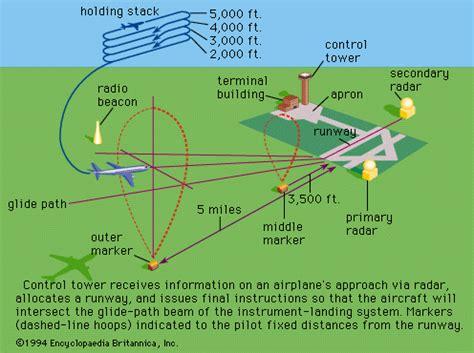
An overload occurs when traffic demand surpasses capacity. At an aerodrome, this may lead to aircraft entering holding patterns or diverting to alternate locations. In en-route sectors, overload can compromise safety as controllers manage more aircraft than designed. Common causes of sector overload include:
-
Poor capacity definition: Occasionally, flaws in capacity modeling can occur despite thorough evaluations.
-
Incorrect forecasts: Reliance on outdated flight data can result in significant timing discrepancies, leading to congestion.
-
Weather impacts: Unpredictable weather phenomena, such as turbulence, can increase workload unexpectedly.
-
Sector configuration changes: Sudden adjustments to sector configurations can overwhelm the system if not properly managed.
Mitigation Measures
To address potential overloads, it’s crucial to implement effective training and preparedness strategies:
-
Rigorous controller training: Simulating high-traffic conditions during training helps controllers prepare for overload scenarios.
-
Refresher training: Regularly updating skills through simulations ensures controllers remain effective even during low-traffic periods.