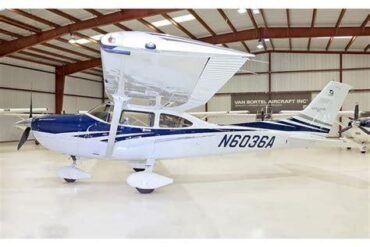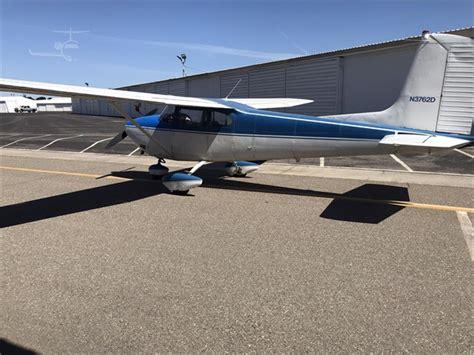
The Cessna 182 Skylane is a cornerstone in the world of light aviation, revered for its versatility, durability, and performance. As one of the most popular general aviation aircraft, the Cessna 182 has stood the test of time, with a history that spans over six decades. Originally introduced in 1956 as a tricycle gear variant of the Cessna 180, the 182 Skylane has evolved through various upgrades, making it a preferred choice for both commercial and private operators worldwide.
A Rich History: From the Cessna 180 to the Skylane
The Cessna 182 was initially developed as a more refined version of its predecessor, the Cessna 180. The major distinction of the 182 was the tricycle landing gear, a feature that brought greater stability and ease of handling, especially for less experienced pilots. With its robust and reliable design, the 182 quickly gained popularity among flying schools, civil operators, and even government agencies.
In terms of design, the Cessna 182 saw its first major modification in 1963 with the introduction of a wider fuselage, which improved cabin space and comfort for passengers. This change made the aircraft more accommodating for both training purposes and general use. The redesigned tailfin and stabilator also enhanced flight characteristics, contributing to improved stability, particularly in crosswind conditions.
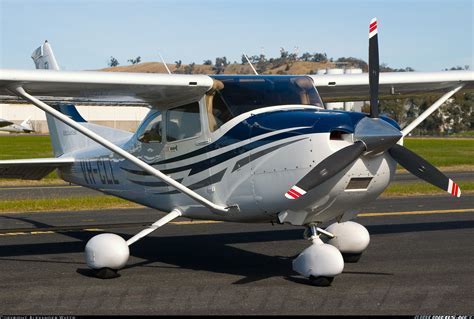
Key Design Features and Construction
The Cessna 182 Skylane has always been constructed primarily from metal, which offers a high level of durability and longevity. However, over the years, the aircraft has seen the incorporation of fiberglass components, which have helped reduce weight while maintaining structural integrity. This combination of materials contributes to the aircraft’s overall robustness, allowing it to perform in a variety of conditions, from serene skies to turbulent weather.
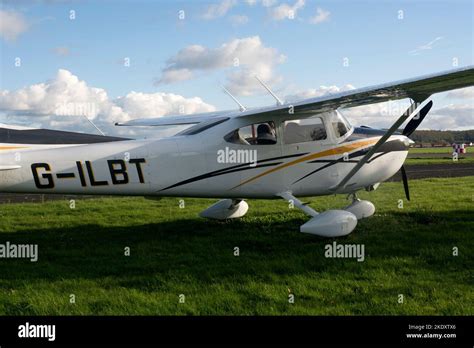
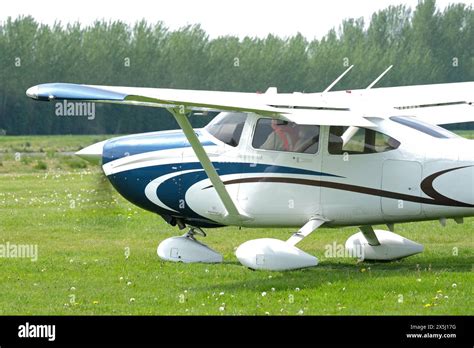
The aircraft’s high-wing design not only provides excellent visibility for both pilots and passengers but also allows for better ground clearance, especially during takeoffs and landings on rough terrain. This makes the Cessna 182 an ideal choice for pilots who operate in less-than-ideal conditions.
Engine Options: Powering the Skylane
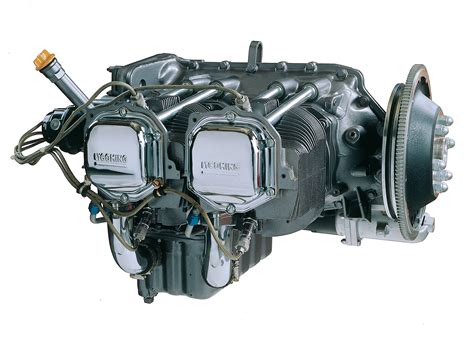
The engine has always been a focal point in the Cessna 182’s performance. Over the years, the aircraft has been offered with a range of engine configurations, but the standout is the Lycoming 230-hp engine featured in the Cessna 182T variant. This powerful engine allows the aircraft to achieve a cruising speed of 145 knots and a range of 930 nautical miles, making it one of the best-performing aircraft in its class.
The addition of turbocharging in the T182T variant has further enhanced the Skylane’s performance, enabling it to operate effectively at higher altitudes, where the air is thinner. This feature is especially beneficial for pilots who need to fly in mountainous regions or on longer-distance flights.
Variants of the Cessna 182 Skylane
Over the years, the Cessna 182 Skylane has undergone numerous upgrades, resulting in several notable variants. Each version of the aircraft offers a distinct set of features, tailored to meet the evolving needs of operators and pilots.
- R182: One of the more popular variants, the R182 featured retractable landing gear, which not only improved aerodynamics but also contributed to better fuel efficiency. This variant was known for its sleek, streamlined appearance and ability to reach higher speeds compared to earlier models.
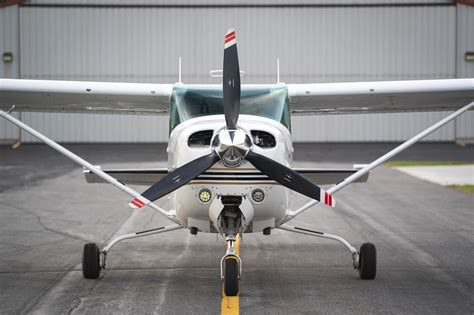
- TR182: Another significant model, the TR182, also featured retractable landing gear but with further refinements to enhance the aircraft’s performance at high altitudes. The TR182 was particularly favored for its long-range cruising capabilities.
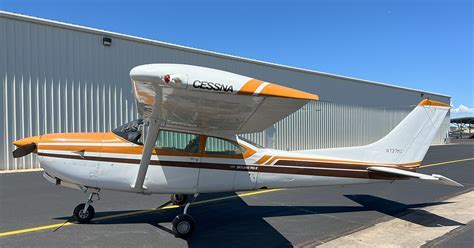
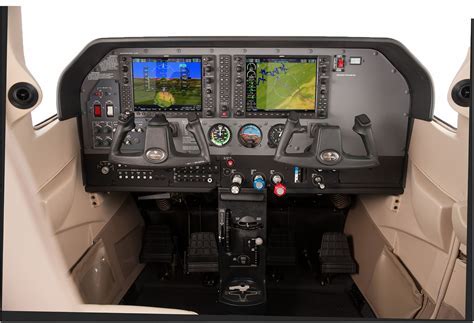
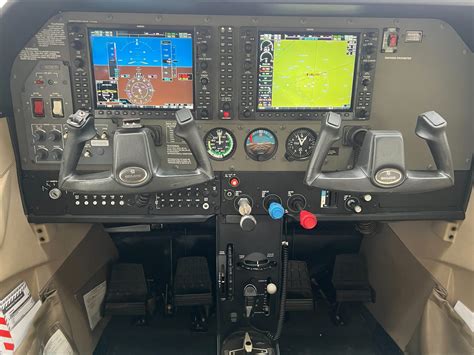
- 182T and T182T: The modern 182T variant comes equipped with advanced avionics systems, including a Garmin G1000 integrated flight deck, which has become a hallmark of the aircraft’s contemporary iteration. This variant, alongside the T182T turbocharged model, remains in production today and is widely considered one of the best light aircraft for private ownership and flight training.
Performance and Handling Characteristics
When it comes to handling, the Cessna 182 Skylane is renowned for its stable flight characteristics. Its high wing and moderate wing loading allow for smooth handling in turbulent air, which makes it an excellent choice for both novice and experienced pilots. The aircraft’s large control surfaces provide precise control authority, contributing to its reputation as a great training aircraft.
The Skylane’s takeoff distance is relatively short for an aircraft of its class, and it is capable of handling both paved and grass runways with ease. This versatility has made it a favored aircraft in rural and remote regions where access to large airports may be limited.
Comfort and Cabin Design
The cabin of the Cessna 182 Skylane is spacious and well-appointed, offering seating for four people. The wide fuselage introduced in the 1960s has ensured that passengers have ample room, making long flights comfortable. Modern versions of the 182, especially the 182T, come equipped with ergonomic seating and an intuitive layout that makes the cockpit easy to navigate, even for those new to flying.
The soundproofing in the Skylane has also been significantly improved in later models, making the experience quieter for both pilots and passengers. The aircraft is designed with large windows, allowing for excellent visibility, which is crucial for both navigation and sightseeing.
Global Use and Applications
The Cessna 182 Skylane has become a global icon, with civil operators, flight schools, and government agencies across the world utilizing this aircraft for a variety of purposes. Its reliability and versatility have made it the aircraft of choice for pilots seeking a multi-purpose platform for recreational flying, flight training, and aerial surveys.
In military operations, the Cessna 182 has seen service in countries like the United States and Argentina, where it has been used for surveillance, transport, and reconnaissance missions. The aircraft’s rugged build and low operating costs make it an appealing choice for both small air forces and private owners who require a reliable aircraft for a range of applications.
Maintenance and Ownership
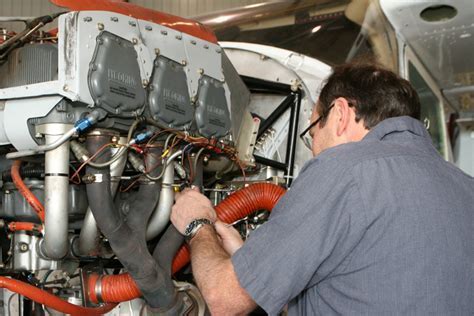
One of the key selling points of the Cessna 182 Skylane is its relatively low maintenance costs. As a widely used aircraft, the Skylane benefits from a robust support network and a large inventory of replacement parts. Additionally, the aircraft’s design has been optimized for ease of maintenance, with straightforward access to critical components like the engine and avionics.
For owners, the Cessna 182 offers long-term value, as its durable design ensures that the aircraft remains airworthy for many years. Regular inspections and maintenance can keep the aircraft flying for decades, making it an excellent investment for those seeking a reliable and cost-effective aircraft for personal or professional use.
Why Choose the Cessna 182 Skylane?
The Cessna 182 Skylane has proven itself as a versatile, reliable, and high-performance aircraft over the course of its long history. Whether used for private flying, training, or government applications, the 182 Skylane excels in virtually every category. Its combination of advanced avionics, comfortable cabin, and impressive performance make it a leading choice for both new and experienced pilots.
With a variety of models and configurations available, the Cessna 182 remains a timeless aircraft that adapts to the ever-changing needs of aviation enthusiasts worldwide. As a workhorse of the skies, the Skylane continues to provide exceptional value, making it an ideal aircraft for those seeking an all-around, high-quality flying experience.