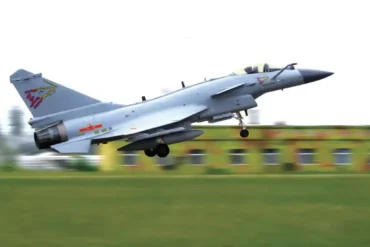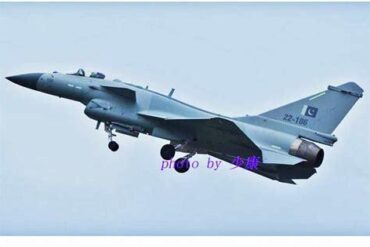
On May 7, 2025, global defense markets witnessed a seismic shift as shares of Chengdu Aircraft Corporation (CAC) soared following a high-stakes aerial confrontation between Pakistan and India. The surge came in the wake of the Pakistan Air Force (PAF) downing multiple Indian military jets, a dramatic escalation that rippled through both geopolitical and financial arenas. As the world watched the tension unfold, the event underscored not only the fragile state of Indo-Pak relations but also the immense impact military outcomes have on defense contractors’ market valuations.
The confrontation erupted after the Indian Air Force (IAF) conducted overnight airstrikes targeting six key locations within Pakistan, leading to tragic civilian casualties—26 dead and 46 injured. Among the sites hit were religious institutions, intensifying public outrage. Pakistan’s retaliation was swift and decisive. In a move that stunned military analysts, the PAF reported the destruction of five Indian aircraft: three Rafale jets, a MiG-29, and a Sunhui surveillance aircraft.
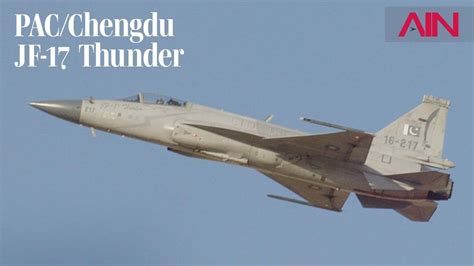
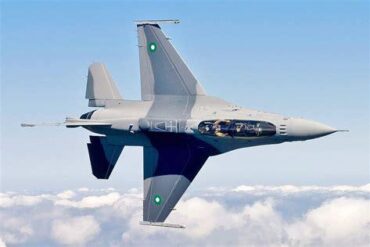
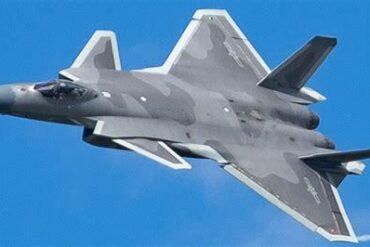
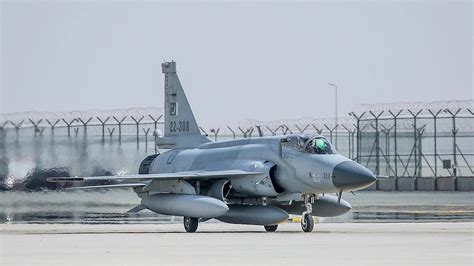
This remarkable defense operation spurred an 18.18% surge in CAC’s stock value, underscoring investor confidence in the performance of its JF-17 Thunder and J-10C fighters. CAC, the Chinese aerospace powerhouse behind these jets, saw its shares at the Shenzhen Stock Exchange (SZSE) spike dramatically, jumping from CNY 59.18 to CNY 71.08 by 9:45 AM PKT. Analysts noted that the rally was a clear reflection of the perceived superiority of CAC’s technology and its proven battlefield success.
The Downfall of Dassault Aviation: Rafale’s Struggles Exposed
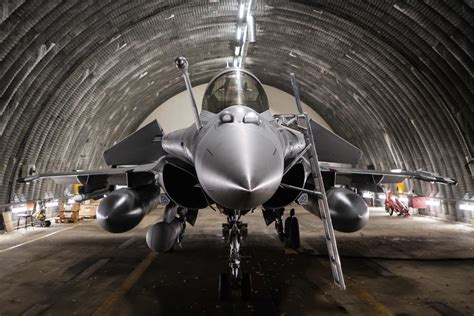
In stark contrast, the mood at Dassault Aviation was grim. The French defense giant, renowned for its Rafale jets, suffered a swift 6% decline in its stock on the Varpi market following reports of their aircraft being downed. The Rafale, once celebrated as the crown jewel of the IAF’s arsenal, now faced intense scrutiny over its battlefield performance. By 11:53 AM PKT, Dassault’s shares had fallen to EUR 324, down EUR 5.40 or 1.64%, a tangible indicator of shaken investor confidence.
The Rafale’s failure in this critical engagement not only tarnished its reputation but also raised broader concerns about India’s military procurement strategies. Designed for advanced aerial combat and equipped with cutting-edge radar and weapons systems, the Rafale was expected to provide India with a strategic edge. However, its vulnerability exposed in this latest skirmish has triggered diplomatic embarrassment and technical reevaluation within India’s defense circles.
Battlefield Dynamics: What Went Wrong for India?
Military analysts have been quick to dissect the sequence of events that led to India’s unexpected losses. Initial reports suggested that the IAF’s strikes aimed to degrade Pakistan’s strategic infrastructure without crossing the border, maintaining plausible deniability. Yet, Pakistan’s rapid response, leveraging its homegrown air defense network and Chinese-supplied jets, proved devastatingly effective.
Pakistani defense officials assert that their jets, piloted by highly trained personnel, intercepted and neutralized the Indian aircraft within minutes of detection. The destroyed Rafales, MiG-29, and Sunhui aircraft were reportedly attempting to evade PAF’s radar coverage but were ultimately tracked and downed with precision missile strikes. Notably, all Pakistani jets returned safely, a fact emphasized repeatedly by Pakistan’s defense ministry to refute Indian claims of having shot down any PAF aircraft.
India’s counterclaims have been met with skepticism, with many international observers questioning their credibility. The stark disparity between Indian and Pakistani narratives underscores the complexity of information warfare, where truth and propaganda often blur.
Chengdu Aircraft Corporation: Riding the Wave of Success
The dramatic rise in CAC’s stock reflects more than just a temporary market reaction. It is a testament to the company’s global influence in modern aerial warfare. Established as a key player in China’s defense industry, Chengdu Aircraft Corporation has strategically positioned itself as a leading exporter of high-performance combat jets. Its collaboration with Pakistan on the JF-17 program has yielded substantial dividends, not only enhancing Pakistan’s aerial capabilities but also boosting China’s geopolitical clout.
CAC’s ability to deliver reliable, combat-proven aircraft has strengthened its foothold in defense markets across Asia, Africa, and Latin America. Following the recent success, defense analysts predict a surge in interest from nations seeking cost-effective yet formidable air power solutions. With the JF-17 Thunder now battle-validated against advanced Western aircraft, CAC’s market prospects appear exceptionally bright.
Broader Geopolitical Implications: A Shifting Balance of Power
The latest clash between India and Pakistan has reignited global concerns about the volatility of South Asia, a region where nuclear-armed neighbors frequently teeter on the brink of conflict. While the immediate casualties and destruction dominate headlines, the deeper ramifications lie in the shifting balance of military power and international alliances.
China’s increasing military-industrial support to Pakistan, exemplified by the performance of CAC jets, signals a tightening strategic partnership that could alter the regional security architecture. Meanwhile, India, traditionally a significant buyer of Western military technology, may now reconsider its procurement strategies and operational doctrines in the wake of its recent setbacks.
Financial Markets React: Defense Stocks in Flux
Beyond the geopolitical stakes, the market reaction serves as a reminder of how intimately connected global finance is with military developments. Chengdu Aircraft Corporation’s stock surge stands as a case study in how battlefield success can translate directly into market confidence. Conversely, Dassault Aviation’s slump underscores the risks defense contractors face when their products fail under combat conditions.
Financial analysts advise caution, noting that while CAC enjoys a current upswing, long-term stability depends on sustained performance and geopolitical factors. Similarly, Dassault may experience a rebound if subsequent investigations absolve its jets of technical fault or if new contracts shore up investor sentiment. However, for now, the market’s verdict is clear: battlefield outcomes matter.
Conclusion: A Pivotal Moment in Modern Warfare
As tensions between India and Pakistan continue to simmer, the world watches closely. The recent aerial confrontation not only reshaped immediate military and market landscapes but also set the stage for longer-term strategic recalibrations. Chengdu Aircraft Corporation emerges as a clear winner in both combat and commerce, while Dassault Aviation faces a period of introspection and potential reinvention.
The events of May 2025 serve as a stark reminder of the inseparable link between military capability and market dynamics. In an age where advanced technology defines modern warfare, success in the skies translates swiftly into financial gains—or losses. For defense contractors and investors alike, the stakes have never been higher.