Qatar has announced the downing of two Iranian Su-24 fighter-bombers following a wave of strikes targeting critical energy infrastructure, marking a historic and unprecedented escalation in Gulf tensions. According to Doha’s Ministry of Defence, the Qatar Emiri Air Force engaged and destroyed the Soviet-era aircraft as they approached Qatari airspace, while also intercepting seven ballistic missiles and five drones aimed at strategic sites across the country.
If confirmed in full detail, this engagement represents the first publicly reported instance of Qatar shooting down a manned hostile aircraft. The statement did not disclose the fate of the Iranian pilots, and Tehran has yet to comment on the reported losses. The confrontation follows three days of bombardment that have expanded the conflict’s geographic and economic footprint.
Qatar’s First Aerial Kill: A Defining Military Moment
The reported shootdown signals a decisive shift in Qatar’s defensive posture. Historically reliant on regional alliances and strategic partnerships, Doha’s direct engagement against Iranian manned aircraft underscores both operational readiness and the seriousness of the threat. The interception of ballistic missiles alongside drones further demonstrates the layered capability of Qatar’s integrated air defence systems.
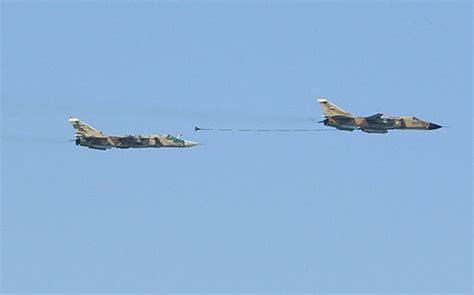
The Su-24 Fencer, a variable-sweep wing strike aircraft originally developed by the Soviet Union, has been a workhorse in Iran’s air fleet since the 1990s. Acquired from Iraq during the aftermath of the Gulf War, the platform remains central to Iran’s tactical strike capabilities despite its relative obsolescence compared to modern Western aircraft. While aging, the Su-24 is capable of delivering precision-guided munitions and conducting low-level penetration missions—traits that make it a potent instrument in regional conflicts.
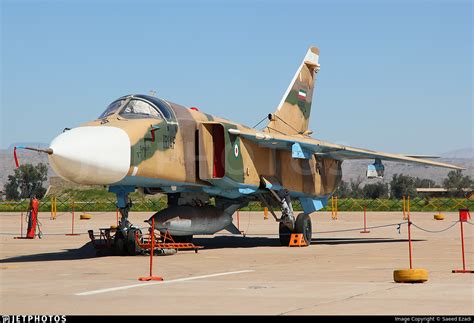
The downing of two such aircraft not only carries symbolic weight but also operational consequences. Each loss constrains Tehran’s capacity to project conventional air power, especially in a theatre where air superiority and missile defence increasingly determine escalation thresholds.
Strikes on Ras Laffan and Mesaieed: Energy at the Epicenter
The aerial confrontation unfolded against the backdrop of direct strikes on QatarEnergy facilities in Ras Laffan Industrial City and Mesaieed Industrial City, two pillars of the country’s natural gas empire. QatarEnergy confirmed the suspension of liquefied natural gas (LNG) production following what it described as military attacks on its operating sites.
One drone reportedly targeted infrastructure at Ras Laffan, located approximately 80 kilometers north of Doha. Another struck near a water tank associated with a power plant in Mesaieed, roughly 40 kilometers south of the capital. Qatari authorities reported no casualties, emphasizing that the production halt was precautionary in nature rather than the result of catastrophic damage.
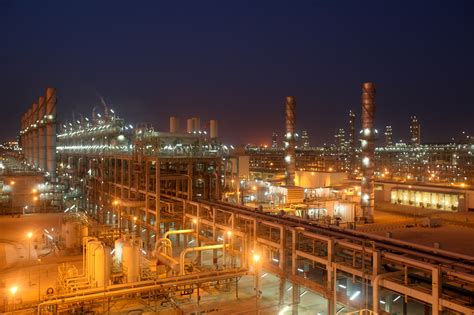
Ras Laffan is widely recognized as the largest single LNG processing complex in the world. The scale of operations there magnifies the global implications of even temporary disruptions. The Dutch TTF natural gas benchmark surged nearly 45 percent to above 46 euros per megawatt hour, reflecting immediate market anxiety.
Global Energy Shockwaves and the Strait of Hormuz
Qatar ranks among the world’s top LNG exporters, alongside the United States, Australia, and Russia. Its portion of the shared North Field gas reservoir, the largest known natural gas field globally, accounts for roughly 10 percent of proven worldwide reserves. Any instability affecting its output resonates through European and Asian markets alike.
Compounding the volatility is the effective closure of the Strait of Hormuz, through which approximately 20 percent of global seaborne oil and a significant share of LNG shipments transit. Although Iran has not formally declared the waterway closed, warnings from the Revolutionary Guards have rendered passage commercially and strategically perilous. Even a de facto shutdown constrains supply chains, insurance frameworks, and tanker routes.
The suspension of production at QatarEnergy could extend recovery timelines even after maritime transit resumes. Long-term supply contracts signed with energy majors such as Total, Shell, Sinopec, Eni, and Petronet underscore how deeply integrated Qatari LNG is within global energy security architecture. Interruptions ripple outward, affecting heating costs in Europe and industrial inputs in Asia.
Strategic Calculations and Regional Fallout
Beyond the battlefield tally, the episode underscores a delicate strategic calculus. Qatar shares its massive offshore gas reservoir with Iran, binding the two states in geological interdependence despite political friction. Strikes on energy infrastructure introduce profound economic risk for both sides, particularly if escalation threatens shared assets beneath the Gulf’s waters.
The Pentagon has not issued a specific statement on the Qatari engagement, though U.S. officials have reiterated broader efforts to limit Iran’s power projection capacity amid ongoing hostilities. The absence of immediate Iranian acknowledgment leaves open questions about Tehran’s next move—whether retaliation, strategic pause, or calibrated messaging.
The destruction of two Su-24s may appear tactically limited, yet in symbolic terms it reshapes the narrative of deterrence in the Gulf. For Qatar, the engagement affirms sovereign defence capability at a moment when its energy lifeline faced direct assault. For global markets, it serves as a stark reminder that geopolitical flashpoints can, in hours, transform into economic tremors felt continents away.
In a region where airspace, shipping lanes, and energy corridors intertwine, this confrontation is not an isolated incident but a node in a larger and volatile strategic network. The coming days will determine whether this historic aerial clash remains a contained episode—or the prelude to a wider regional conflagration.