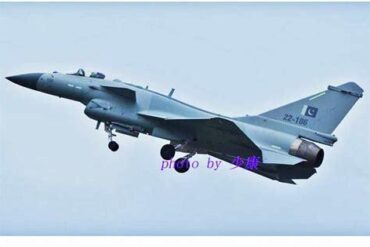
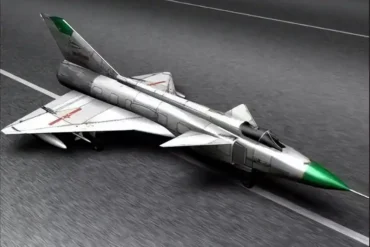
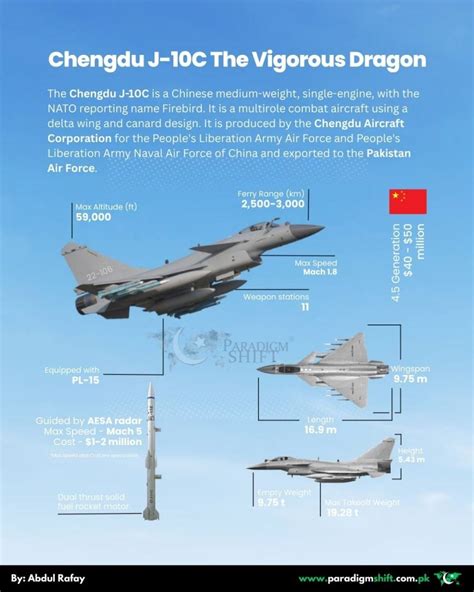
The Chengdu J-10C, part of the renowned J-10 family, represents a pinnacle of modern Chinese aerospace engineering. Developed by the Chengdu Aircraft Corporation (CAC) for the People’s Liberation Army Air Force (PLAAF), People’s Liberation Army Navy Air Force (PLANAF), and Pakistan Air Force (PAF), the J-10C has emerged as a potent, multi-role combat aircraft. It embodies a sophisticated blend of agility, firepower, and advanced avionics, designed to challenge contemporary Western fighters. With over 600 units produced since 2002 and operational since 2004, the J-10 series stands as a key component of China’s expanding aerial dominance.
Historical Development and Origins
The J-10 program traces its origins to a 1981 PLAAF proposal aimed at modernizing China’s air combat capabilities. This initiative led to a fierce competition among three prominent Chinese aviation institutes. In 1984, the Chinese Aerodynamics Research and Development Institute (CADI) won the contract with a design inspired by the Saab Viggen but distinctly optimized for high agility and multirole functionality. Officially designated as the “No. 10 Project” in 1986, this ambitious undertaking set the stage for the J-10’s evolution.
Early designs planned for the indigenous WS-10 turbofan engine, but persistent technical challenges delayed its integration. As a result, the initial prototypes relied on the Russian AL-31FN engine, known for its reliability and high thrust-to-weight ratio. The first prototype took to the skies on March 23, 1998, marking a significant milestone in China’s indigenous fighter development. Serial production commenced in 2002, with initial training units receiving the aircraft by 2003. The final design, featuring substantial aerodynamic refinements and cutting-edge avionics, achieved operational readiness in 2006.
Design Philosophy and Airframe Configuration
The J-10C inherits the delta-wing, canard-delta configuration that defines the J-10 family, offering exceptional maneuverability and high angle-of-attack performance. This layout, characterized by its large delta wings and forward-mounted canards, provides superior lift and rapid pitch response, critical in modern dogfight scenarios. The airframe incorporates advanced composite materials to reduce weight and enhance durability, further improving the aircraft’s agility and survivability.

Avionics and Advanced Combat Systems
The J-10C is equipped with state-of-the-art avionics, reflecting significant strides in China’s electronic warfare and radar technology. The cockpit features three large, multi-function LCD displays, a sophisticated holographic Heads-Up Display (HUD), and an advanced, domestic helmet-mounted sighting system that reportedly surpasses the performance of the Russian Su-27’s system. These enhancements ensure superior situational awareness and targeting precision.
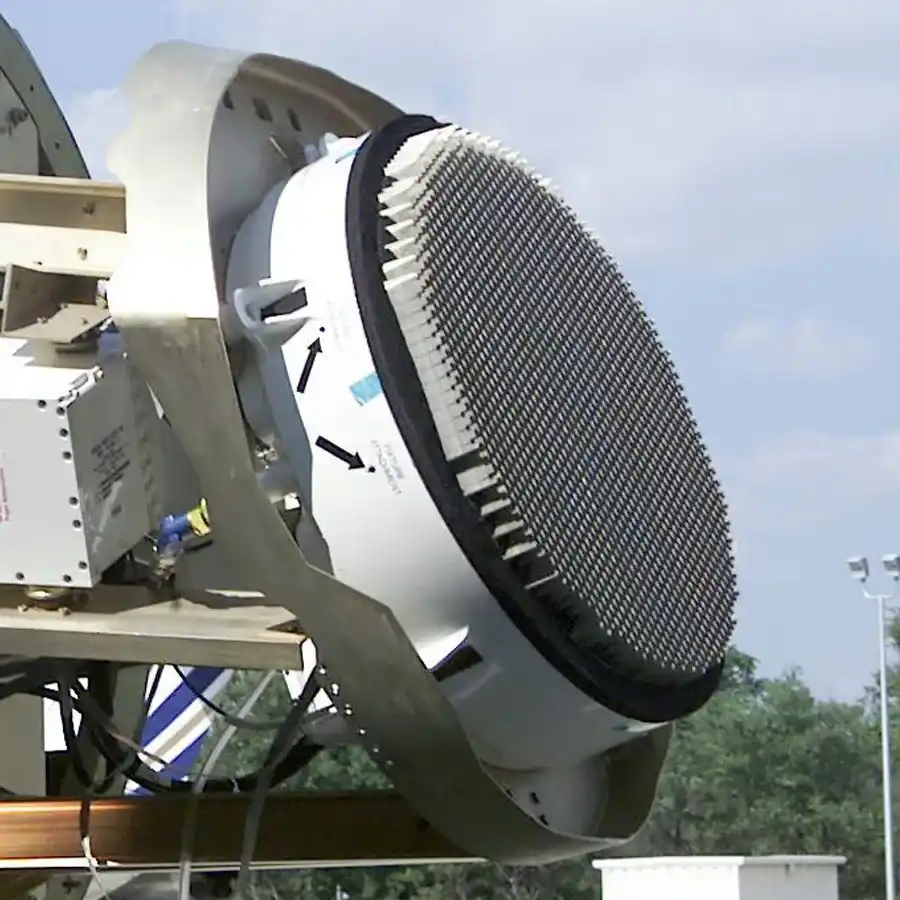
Perhaps the most critical upgrade is the integration of an Active Electronically Scanned Array (AESA) radar, developed by the China Electronics Technology Group Corporation (CETC) 14th Institute. This radar system, introduced in the J-10C variant, provides enhanced range, target detection, and electronic counter-countermeasures (ECCM) capabilities, significantly improving the aircraft’s combat effectiveness.
Engine and Propulsion Systems
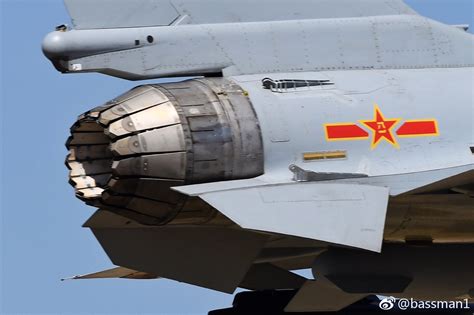
While early J-10 variants relied on the AL-31FN engines, the J-10C marks a decisive shift toward full domestic powerplant integration. It is powered by the indigenous WS-10B turbofan, which offers a thrust range of 89–144 kN and features a redesigned stealth nozzle to reduce infrared signatures. This engine provides the necessary power for the aircraft’s supermaneuverability, enabling advanced aerial tactics such as Pugachev’s Cobra and rapid post-stall recovery.
Armament and Mission Flexibility
The J-10C boasts a formidable arsenal, reflecting its multirole design philosophy. It is armed with an internal GSh-23 cannon and can carry up to 5,600 kg of munitions across 11 external hardpoints. This extensive payload includes:
- PL-8 and PL-10 short-range air-to-air missiles (AAMs) for close combat.
- PL-12 and PL-15 medium-range AAMs for beyond visual range engagements.
- KD-88 air-to-surface missiles for precision strike missions.
- YJ-91 anti-ship and anti-radiation missiles for maritime dominance.
- Various guided bombs and external fuel tanks for extended range operations.

Operational History and Global Impact
The J-10C entered PLAAF service in April 2018, rapidly establishing itself as a cornerstone of China’s air combat capabilities. In simulated exercises, it has reportedly outperformed advanced Russian fighters like the Su-35 and J-16, demonstrating its effectiveness in modern air combat. The PAF also operates the export variant, J-10CE, with 25 units ordered in 2021 and the first deliveries arriving in March 2022. These fighters have already seen combat, participating in strikes against BLA/BLF militants in 2024 and reportedly downing Indian fighters in 2025.
Conclusion
In summary, the Chengdu J-10C represents a significant leap in China’s indigenous fighter capabilities, blending cutting-edge technology, robust airframe design, and formidable armament into a single, highly versatile platform. As a critical element of the PLAAF’s modernization efforts, it stands as a testament to China’s rapidly advancing aerospace industry.