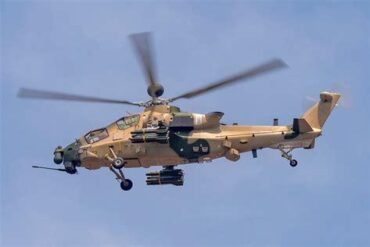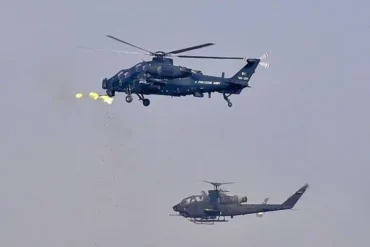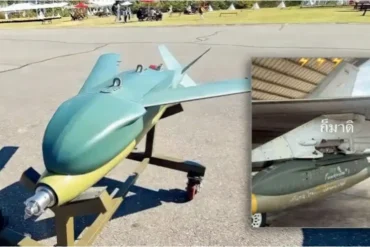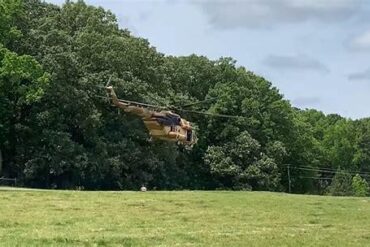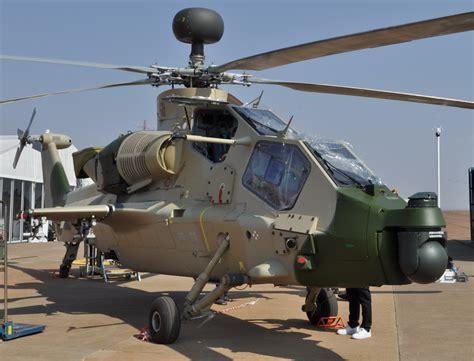
Amid rising regional tensions and rapidly evolving defense priorities, speculation surrounding the delivery of Chinese Z-10ME attack helicopters to Pakistan has ignited significant interest across military and strategic circles. On July 7, 2025, unconfirmed images and videos surfaced on social media platforms purportedly showing these advanced rotorcraft stationed on Pakistani soil. Though neither Islamabad nor Beijing has issued an official confirmation, the evidence has triggered a cascade of analysis, underscoring what could be a transformational moment in Pakistan’s aerial strike capabilities.
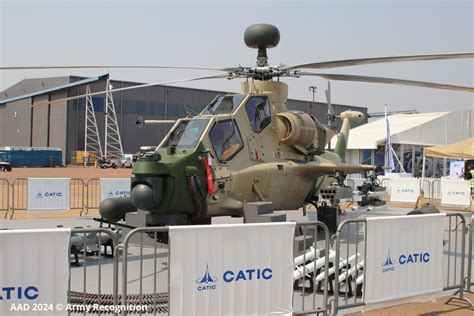
If verified, the arrival of the Z-10ME helicopters would not only mark a significant upgrade in Pakistan’s rotary-wing fleet but also reaffirm the deepening strategic defense collaboration between China and Pakistan. This acquisition would follow Pakistan’s failed attempts to secure the Turkish T129 ATAK, which were derailed by U.S. export restrictions on key engine technologies. In its place, China’s AVIC (Aviation Industry Corporation of China) appears to have stepped in, offering a platform not just similar in function but arguably more advanced in survivability and mission flexibility.
Z-10ME: A High-Survivability Gunship with Cutting-Edge Enhancements
The Z-10ME is not merely a repackaged export model but a heavily enhanced variant of the original Z-10 platform, developed over the past two decades by AVIC. Unlike its predecessor, the Z-10ME incorporates a host of features designed to meet the demands of modern, high-intensity warfare:
- Upgraded composite armor for increased resistance to small arms and shrapnel.
- Infrared suppression systems, critical for evading heat-seeking missiles.
- Integrated electronic warfare suites, enabling electronic countermeasures against radar-guided threats.
- Advanced targeting sensors capable of acquiring and designating targets in challenging environments.
- Tandem cockpit configuration and a 23mm chain gun for focused ground attack roles.
Together, these features push the Z-10ME closer to platforms like the AH-64 Apache, particularly in its focus on surviving contested airspace filled with man-portable air defense systems (MANPADS) and radar-guided threats.
Historical Context: From Procurement Setbacks to Indigenous Alternatives
Pakistan’s interest in the Z-10 platform is not sudden. The country’s search for a modern attack helicopter gained urgency after aging AH-1F Cobras began showing operational limitations. In 2018, Pakistan evaluated the Z-10, reportedly even field-testing several units, but remained undecided as technical challenges persisted, particularly with engine performance. The subsequent plan to acquire 30 Turkish T129 ATAKs was derailed when U.S. export licenses for LHTEC CTS800 engines were withheld due to geopolitical constraints.
This impasse created a strategic vacuum — one that China was seemingly eager to fill. The new Z-10ME, designed for export markets and adapted for high-threat environments, appears to have been positioned specifically to resolve the concerns Pakistan raised during the earlier trials.
Tactical Value: Close Air Support and Anti-Armor Edge
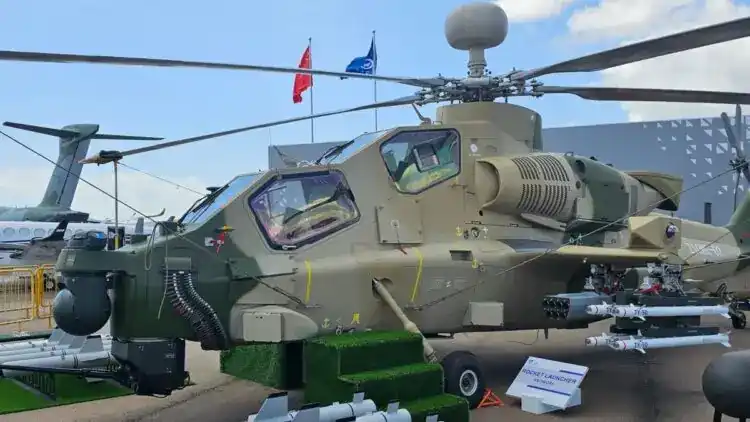
The Z-10ME’s utility lies primarily in its anti-armor warfare and close air support (CAS) capabilities. Its payload can include:
- HJ-10 anti-tank guided missiles (ATGMs) with tandem warheads capable of penetrating reactive armor.
- TY-90 air-to-air missiles for helicopter self-defense.
- Unguided rocket pods and guided munitions for precision ground strikes.
The inclusion of these weapons systems provides the Pakistani Army with a multi-role attack helicopter capable of operating in both counterinsurgency scenarios and full-scale armored engagements, particularly along the Line of Control (LoC) or in desert terrain bordering India.
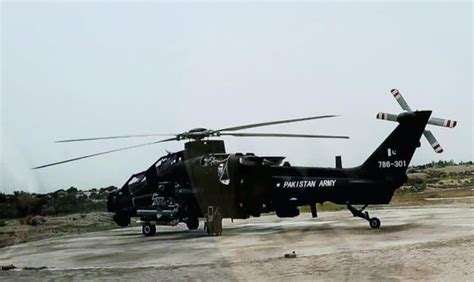
Geopolitical Implications: A New Signal to India and the West
Strategically, the rumored Z-10ME deployment represents more than just a defense acquisition. It sends a calculated geopolitical signal. For one, it showcases the Pakistan-China military nexus, reinforcing Beijing’s role as a viable alternative to Western defense contractors, especially in light of increasing sanctions and licensing hurdles faced by traditional suppliers.
Moreover, this move could trigger a recalibration in India’s defense doctrine, particularly its own rotary-wing strategy. India has already inducted the Apache AH-64E, a helicopter widely regarded as one of the world’s most advanced gunships. Yet, the emergence of a comparable and cheaper rival platform next door might accelerate procurement decisions or revisions to force posture in areas like Ladakh, Arunachal Pradesh, and Punjab.
For the West, and particularly the United States, this development illustrates how export restrictions can inadvertently push partner nations towards rival suppliers. The Z-10ME’s entry into Pakistan’s fleet underscores the growing influence of Chinese military-industrial diplomacy, especially in regions where Western leverage is diminishing.
China’s Export Strategy: A Growing Foothold in the Global Arms Market
The Z-10ME is also a flagship platform for China’s arms export ambitions, especially across South Asia, Southeast Asia, and Africa. AVIC has showcased the Z-10ME at multiple defense expos, emphasizing its lower lifecycle costs, modular upgrades, and reduced reliance on Western subcomponents.
Pakistan, often referred to as China’s “all-weather strategic partner,” provides the perfect launchpad for this effort. If a formal delivery has taken place, it would mark the first publicly known foreign induction of the Z-10ME variant. That status carries significant marketing weight for AVIC as it courts other potential buyers facing similar Western embargoes.
Operational Scenarios: From Waziristan to Kashmir
Should Pakistan field the Z-10ME in operational units, its role could span various conflict zones. In the northwest, the helicopter would offer enhanced counter-terrorism support in rugged terrain, complementing UAV operations and fixed-wing air support. On the eastern front, near the LoC and the Siachen Glacier, the Z-10ME’s manoeuvrability and missile loadout would provide much-needed precision strike capabilities in mountain warfare scenarios.
Pakistan’s military modernization has increasingly emphasized asymmetric and hybrid warfare, making the Z-10ME an ideal asset. Coupled with new drone platforms, upgraded tanks, and emerging ISR (Intelligence, Surveillance, and Reconnaissance) capabilities, the Z-10ME could become a linchpin of integrated battlefield operations.
Silence from Officials: Strategic Ambiguity or Denial?
Despite the widespread dissemination of visual evidence, both Chinese and Pakistani defense ministries have remained notably silent. This could be interpreted in several ways:
- Strategic ambiguity, meant to obscure operational readiness and deployment intentions.
- A delay in formal public announcements until final evaluations or logistics are completed.
- An intentional move to avoid triggering diplomatic friction before necessary.
The lack of a formal contract announcement only deepens the intrigue. No known tenders, white papers, or budgetary disclosures in Pakistani defense allocations have pointed toward such a deal in recent months. Yet the physical presence of the Z-10ME suggests that either a quiet agreement was signed or that these units are part of an extended evaluation or lease framework.
Looking Ahead: A New Chapter in Pakistan-China Military Cooperation
If the Z-10ME deployment is confirmed, it will represent a pivotal moment in the evolution of Pakistan’s air-ground warfare doctrine. More importantly, it reflects a deliberate pivot toward suppliers not subject to Western political constraints. For China, the potential success of this deployment will bolster its reputation as a defense exporter and add momentum to the global sales campaign for its homegrown platforms.
With regional tensions unlikely to ease, and both Pakistan and India modernizing their air forces and ground support elements, the Z-10ME’s battlefield debut—if it materializes—could reshape not only tactical calculations but also broader strategic alliances across South Asia and beyond.