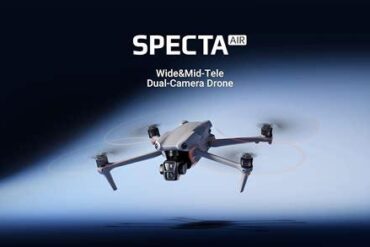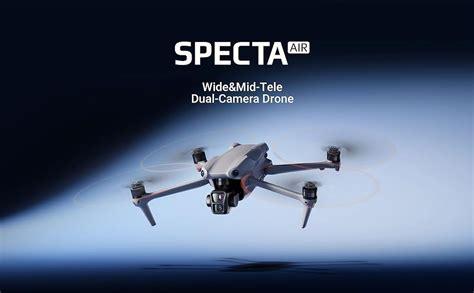
The drone market is no stranger to innovation, intense competition, and occasionally, a product that raises more questions than answers. Enter the Cogito Specta Air, a new flagship model from a relatively unknown company, Cogito. Upon its announcement, seasoned drone enthusiasts and tech reviewers immediately noted its striking resemblance to one of the industry’s leading aircraft: the DJI Air 3. This isn’t just a passing similarity; the specifications, design, and even the accompanying software echo DJI’s popular model with an uncanny precision. This has inevitably sparked a wave of curiosity and speculation: Is the Specta Air a groundbreaking alternative, a clever imitation, or something else entirely? The initial details provided by Cogito, highlighting features like a 46-minute flight time, 20km range, and a 4K camera, were enough to pique significant interest, prompting a deeper investigation into this intriguing new entrant.
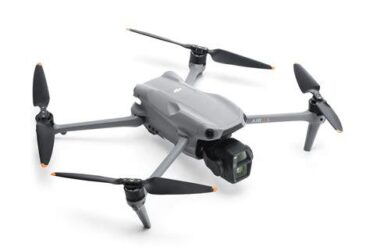
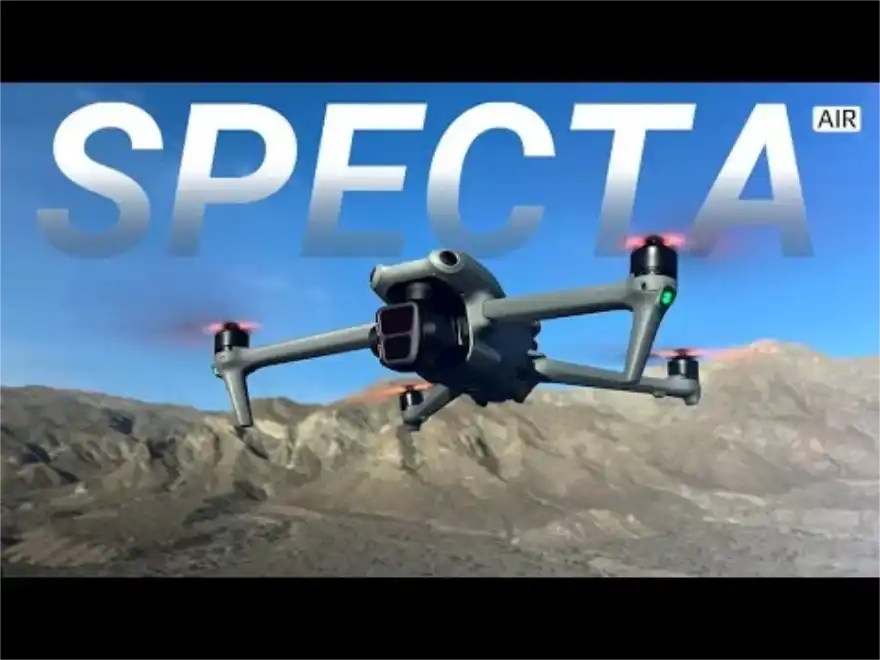
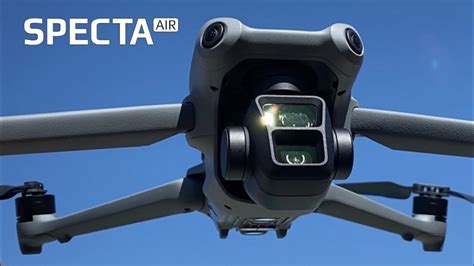
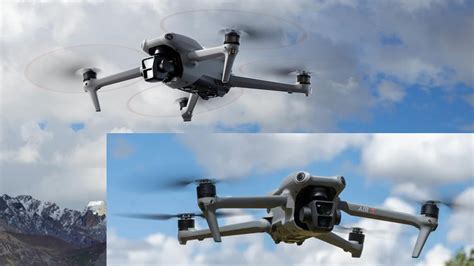
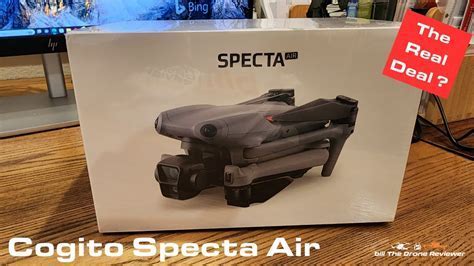
Upon receiving the Cogito Specta Air for review, the initial impressions were nothing short of bewildering. The physical characteristics of the Specta Air are, for all intents and purposes, identical to the DJI Air 3. From the overall dimensions and the specific shade of grey used for the chassis to the design of the camera gimbal, the battery module, and even the lens cover, every detail mirrors its DJI counterpart. The meticulous replication extends to the subtle curves and contours of the drone’s body, suggesting a manufacturing process that achieves an extraordinary level of fidelity. When placed side-by-side, distinguishing between the two drones based on physical appearance alone becomes a genuine challenge. Even the weight difference is negligible, with both drones hovering within a mere 2 grams of each other, a testament to the precision involved. The only immediate visual differentiators are the branding elements; the Specta Air proudly displays Cogito or Specta logos where DJI’s insignia would typically reside, and all accompanying literature is similarly branded.
Powering on the Specta Air and its included remote controller further deepens the sense of déja vu. The startup sequence, the user interface on the remote’s built-in screen, and the overall operational feel are strongly reminiscent of DJI’s ecosystem. The software loaded onto the drone itself appears to be a closely related, possibly forked, version of DJI’s well-regarded flight control software. This similarity in both hardware and software immediately rules out the possibility of the Specta Air being a mere superficial copy. The level of integration and refinement observed suggests a far more sophisticated origin than a simple reverse-engineering effort. This leads to the central, compelling question: what exactly is the Cogito Specta Air drone?
Deconstructing the Mystery: Is the Specta Air a Copy, Rebrand, or Something More?
The perplexing nature of the Cogito Specta Air invites several theories regarding its origin and its relationship, if any, to DJI. The most obvious initial thought might be that it’s an elaborate copy. However, this theory quickly loses credibility upon closer examination. Modern high-performance drones like the DJI Air 3 are incredibly complex machines, integrating sophisticated hardware, intricate sensor arrays, and highly optimized software. Replicating such a device with identical performance characteristics, down to the flight dynamics and image processing, without access to original designs and source code, is an exceedingly difficult, if not impossible, task. The Specta Air doesn’t feel like a cheap knock-off; it performs with the same polish and reliability as the drone it so closely resembles. Therefore, the “copy” hypothesis seems highly improbable given the sheer technological sophistication involved.
Another plausible explanation is that the Specta Air is a rebrand. The practice of rebranding is quite common in the electronics industry, and the drone market is no exception. Many manufacturers, particularly those producing entry-level to mid-range drones, such as MJX or SJRC, often create base models that are then slightly modified, rebadged, and sold by other companies under different brand names. Companies like Holy Stone have successfully employed this strategy, offering a diverse portfolio of drones that are often variations of existing designs. However, DJI, a market leader known for its strong brand identity and in-house research and development, has historically not engaged in such practices for its flagship products. For DJI to suddenly allow a third-party company to rebrand one of its latest and most popular models like the Air 3 would represent a significant and uncharacteristic departure from its established business model. While not impossible, it would certainly be an odd move for a company that fiercely protects its intellectual property and brand image.
The speculation also extends to more clandestine possibilities. Could Cogito be a shell company, perhaps established by DJI itself, to navigate potential trade restrictions or import bans in certain markets? While geopolitical factors do occasionally lead to complex corporate structuring, this scenario also seems unlikely. If the intent was to circumvent bans targeting DJI, a drone so overtly identical to a DJI product would likely face the same scrutiny and potential restrictions, thereby defeating the purpose. Furthermore, Cogito itself would quickly become subject to any such bans if a direct link to DJI, aimed at circumventing regulations, was established. Cogito, for its part, explicitly claims no affiliation with DJI, adding another layer to the puzzle. This official denial, whether a genuine statement of independence or a strategic disassociation, further complicates the narrative.
Perhaps the most intriguing, and some might argue plausible, theory revolves around DJI’s manufacturing pipeline. Could DJI be outsourcing parts of its manufacturing process, and could one of these manufacturing partners have decided to utilize the same designs and components to produce drones for another company, like Cogito? This scenario, while still unusual given DJI’s typical control over its supply chain, could explain the identical hardware. It would imply that a factory with the capability to produce DJI-grade drones is now also supplying Cogito. This would be a significant development, suggesting a potential leak or a new business arrangement within DJI’s manufacturing ecosystem. The Specta Air is reportedly built in Malaysia, a detail that might lend some credence to this theory, as companies often diversify manufacturing locations. However, without confirmation from either DJI or Cogito, this remains speculative. The quest to definitively understand the Specta Air’s lineage is ongoing, and further investigation is required to uncover the full story.
Unpacking the Power: Specta Air’s Impressive Specifications and Flight Performance
Regardless of its origins, the Cogito Specta Air stands as a formidable drone based on its stated specifications and observed performance, which mirror those of the DJI Air 3. One of the most critical metrics for any drone is flight time, and the Specta Air boasts an impressive 46-minute maximum flight duration. This extended airtime allows for more comprehensive aerial photography sessions, longer surveying missions, or simply more leisurely exploration without the constant worry of a depleting battery. Real-world flight times will, of course, vary based on environmental conditions such as wind, temperature, and flight style, but a 46-minute ceiling provides a substantial operational window.
Complementing its endurance is an equally remarkable 20-kilometer (approximately 12.4 miles) transmission range. This extensive range is facilitated by an advanced transmission system, likely similar to DJI’s OcuSync technology (though branded differently for the Specta Air), ensuring a stable and clear video feed even at considerable distances. Such a range opens up possibilities for capturing vast landscapes and exploring areas that would be inaccessible to drones with more limited transmission capabilities. It’s crucial, however, for operators to always fly within visual line of sight and adhere to local drone regulations regarding flight distance.
The heart of any aerial imaging drone is its camera, and the Specta Air is equipped with a high-quality 4K camera system. While the reference material specifies “4K camera,” if it truly mirrors the Air 3, this likely means it features a sophisticated sensor, possibly a 1/1.3-inch CMOS sensor or even a dual-camera system as found on the Air 3, offering both wide-angle and telephoto capabilities. Such a system would enable the capture of stunningly detailed video footage and high-resolution still photographs. Key features would typically include various frame rate options (e.g., 4K at up to 60fps or even 100fps for slow-motion), excellent dynamic range to handle challenging lighting conditions, and potentially advanced color profiles for professional post-production workflows. The stability of the footage is ensured by a multi-axis mechanical gimbal, which counteracts vibrations and movements, resulting in smooth, cinematic shots.
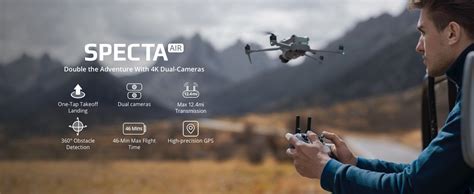
Safety and ease of use are paramount in modern drones, and the Specta Air incorporates omnidirectional obstacle avoidance. This advanced system utilizes sensors on all sides of the drone (front, back, left, right, top, and bottom) to detect and avoid obstacles in its flight path. This significantly reduces the risk of collisions, especially when flying in complex environments or utilizing automated flight modes. The flight modes and user interface, as managed through the Specta Fly app, are reported to be virtually identical to those found in the DJI Fly app. This means users can expect a polished, intuitive experience with access to intelligent flight modes such as ActiveTrack (subject tracking), Point of Interest, Waypoints, and QuickShots, which automate complex cinematic maneuvers.
Specta Air vs. DJI Air 3: A Direct Performance Showdown
When the Cogito Specta Air is pitted directly against the DJI Air 3, the comparison yields a startling conclusion: they are, for all practical purposes, the same drone in terms of performance. Extensive testing across various critical performance metrics has revealed no discernible differences between the two aircraft. This isn’t a case of one being a slightly inferior imitation; the Specta Air matches the Air 3 step for step. The camera systems, when evaluated for image quality, dynamic range, color rendition, and video clarity, produce indistinguishable results. The omnidirectional obstacle avoidance systems on both drones perform with the same level of accuracy and responsiveness, reliably detecting and navigating around potential hazards.
Range tests confirm that the Specta Air achieves the same impressive transmission distances as the Air 3, maintaining a robust connection and clear video feed. Top speed capabilities and overall flight agility are also identical, indicating that the motors, propellers, and flight control algorithms are performing in perfect unison. Even the crucial 46-minute flight time holds true for the Specta Air, matching the endurance of its DJI counterpart under similar conditions. The conclusion from these comprehensive comparisons is unequivocal: the Specta Air is an excellent drone, fully on par with the DJI Air 3’s renowned capabilities. This makes the Specta Air a genuinely compelling option for anyone seeking top-tier drone performance, regardless of the mystery surrounding its branding and origins. The only significant firmware differences noted are minor, not impacting core performance, and mainly relate to branding and potentially some newer, peripheral features present in the very latest Air 3 updates that might not have been incorporated into the Specta’s forked software version at the time of review.
The Software Conundrum: Navigating the Specta Fly App
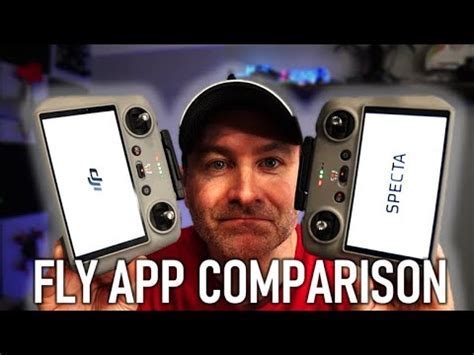
The software experience with the Cogito Specta Air is handled by the Specta Fly app, which, much like the hardware, bears an uncanny resemblance to the DJI Fly app. Users familiar with DJI’s ecosystem will find the Specta Fly app’s layout, menu structure, and flight interface immediately recognizable. It appears to be a “forked” version of the DJI software, meaning it likely originated from the same codebase but has since been developed or maintained separately, primarily to incorporate Cogito branding and manage firmware specific to the Specta Air. The core functionalities, including flight modes, camera controls, and telemetry display, are virtually identical. This ensures a user-friendly and feature-rich experience for pilots.
However, an interesting distinction arises in terms of cross-compatibility. Despite the profound software similarities, the Specta Air drone is not compatible with DJI Air 3 remotes, and conversely, DJI Air 3 drones cannot be controlled by the Specta RC. This lack of interoperability suggests that while the base software is shared, the firmware versions on the drones and controllers are distinct and specifically paired. This could be due to unique identifiers, encryption keys, or slight variations in the communication protocols implemented by Cogito. This differentiation is a key piece of evidence supporting the idea that the Specta Air, while sharing DJI’s DNA, is being managed and distributed as a separate product line, at least at the firmware level.
Under the Hood: The Specta Air Teardown Confirms Identical Internals
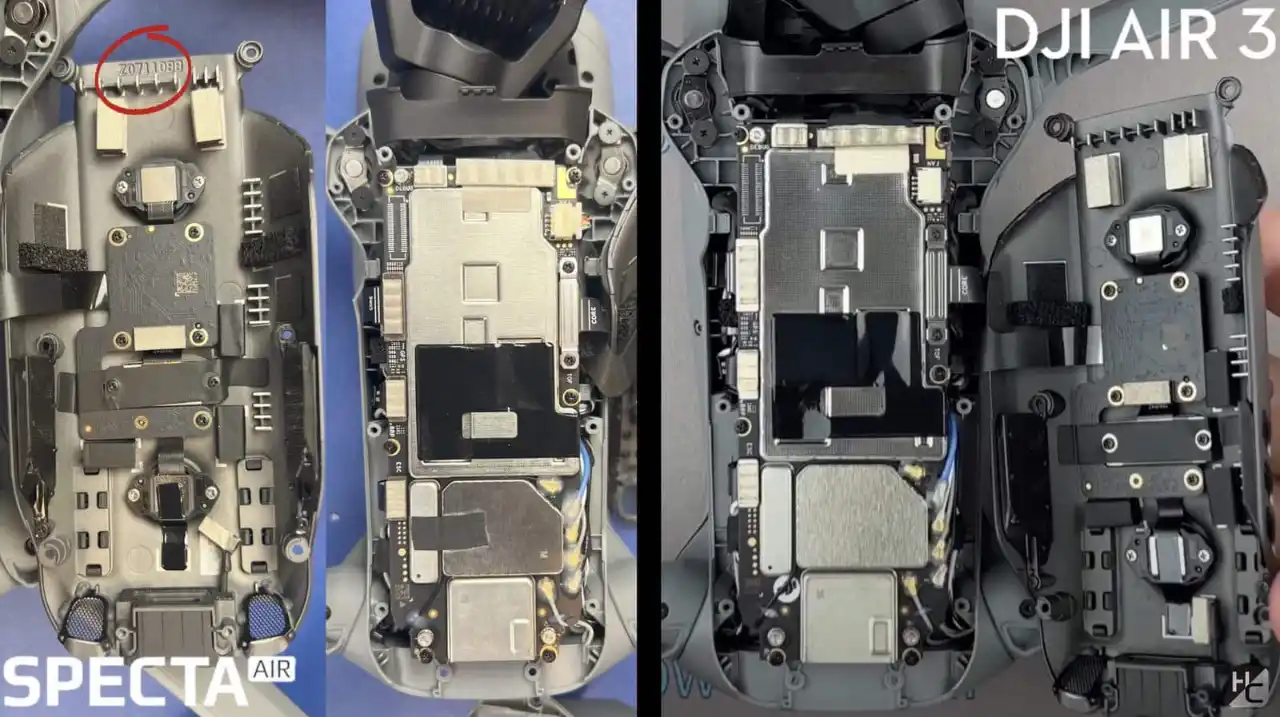
To further investigate the depth of similarity, a physical teardown of the Cogito Specta Air was conducted, allowing for an internal examination of its components. The findings from this disassembly were conclusive: the internal hardware, including the mainboard, sensors, processing units, and other critical electronic components, are identical to those found inside the DJI Air 3. This internal parity goes a long way in explaining the identical performance characteristics. It confirms that the Specta Air isn’t merely an external look-alike but shares the same sophisticated engineering and high-quality components as its DJI counterpart. This discovery firmly establishes that the Specta Air is not a “cheap knock-off” but rather a drone built with the same foundational technology. The meticulous internal replication further fuels the theories about outsourced manufacturing or a very close, albeit unacknowledged, relationship with DJI’s supply chain. It’s one thing to mimic an exterior design; it’s another entirely to replicate the complex interplay of custom-designed internal hardware.
Value Proposition: Analyzing the Specta Air’s Pricing Strategy
One of the most compelling aspects of the Cogito Specta Air is its pricing and package configuration, which presents a potentially attractive value proposition compared to the DJI Air 3. The Specta Air is listed at $1199. Crucially, this price includes the drone itself, one battery, three sets of propellers, a charging cable, and the Specta RC, which is described as being equivalent to the DJI RC 2 controller with a built-in screen. This inclusion of a screen-equipped remote controller is a significant value-add.
In contrast, the standard DJI Air 3 package (drone only, without a smart controller) typically retails for around $1099. To get a comparable setup with DJI’s RC 2 controller (which features a built-in screen), one would need to purchase it separately or as part of a more expensive bundle. The DJI RC 2 alone typically costs an additional $255 to $319, depending on the retailer and current promotions. Therefore, a DJI Air 3 package with the RC 2 controller would cost significantly more, in the range of $1354 to $1418. This positions the Specta Air at a noticeable price advantage when comparing like-for-like packages that include a remote controller with an integrated display. For buyers who prioritize having a dedicated screen remote, the Specta Air package offers immediate savings without, it seems, compromising on the drone’s performance or core features.
The Malaysian Connection: A Clue to Manufacturing Origins?
A key piece of information provided by Cogito is that the Specta Air drone is built in Malaysia. While DJI has its primary manufacturing facilities in China, it’s not uncommon for large tech companies to diversify their manufacturing locations or contract with facilities in other countries. This Malaysian origin could be a significant clue in the ongoing effort to understand the Specta Air’s provenance. It might support the theory of outsourced manufacturing, where a Malaysian facility with access to DJI’s designs and components is producing these drones for Cogito. Alternatively, it could indicate a completely separate manufacturing operation that has somehow managed to replicate DJI’s technology to an unprecedented degree. Regardless, the “Made in Malaysia” tag distinguishes it from the typical “Made in China” label associated with DJI products and adds another dimension to the drone’s complex backstory.
Looking Ahead: Cogito’s Ambitions with the Specta Mini
Cogito appears to have ambitions beyond just the Specta Air. The company has recently launched its website and is reportedly working on a Specta Mini, slated for launch in April. The development of a “Mini” version suggests a strategy to build out a product line, potentially targeting different segments of the drone market, much like DJI does with its Mini, Air, and Mavic series. The Specta Mini, if it follows the pattern of the Specta Air, might bear a strong resemblance to a DJI Mini series drone, offering similar features and performance in a smaller, more portable package. This forward-looking product development indicates that Cogito aims to establish itself as a serious player in the drone market, rather than being a one-off anomaly. The performance and reception of the Specta Mini will be closely watched to see if it continues this trend of offering DJI-equivalent technology under the Cogito brand.
Conclusion: The Cogito Specta Air – An Enigmatic Yet Excellent Drone
The Cogito Specta Air has undeniably made a dramatic entrance into the drone world. It presents a fascinating enigma: a drone that is, by all accounts, functionally and physically identical to the highly acclaimed DJI Air 3, yet sold by a different company, Cogito, which claims no affiliation with DJI. Its performance is exceptional, matching the Air 3 in every critical aspect, from flight time and range to camera quality and obstacle avoidance. The included Specta RC smart controller in its $1199 package offers a compelling value proposition compared to similarly equipped DJI Air 3 bundles.
While the exact nature of its relationship with DJI’s technology and manufacturing remains shrouded in mystery – be it an unacknowledged licensing deal, a case of incredibly sophisticated replication, or a new turn in outsourced manufacturing – the quality of the Specta Air itself is not in doubt. It is not a cheap imitation but a high-performance aerial platform capable of delivering professional-grade results. For consumers seeking the capabilities of a top-tier drone like the Air 3, the Cogito Specta Air emerges as a truly intriguing and potentially cost-effective alternative. As Cogito expands its product line with offerings like the upcoming Specta Mini, the drone community will be keenly observing whether this new brand can carve out a significant niche for itself by offering familiar excellence under a new name.