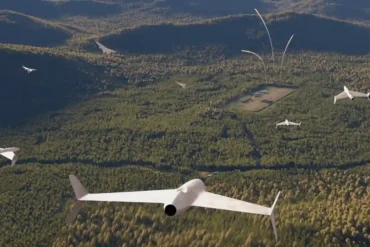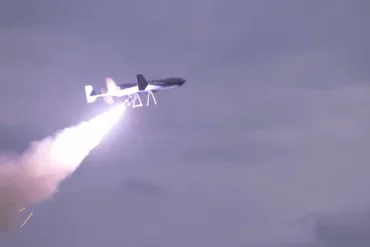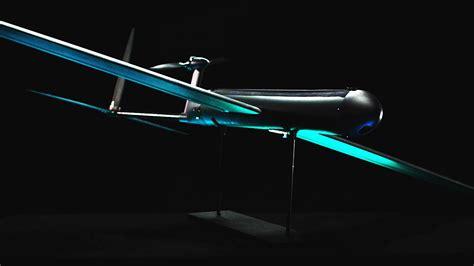
The AeroVironment Red Dragon has emerged as a formidable new entry in the evolving landscape of autonomous weaponry, embodying a significant technological leap in loitering munition design. This combat-proven, long-range attack drone epitomizes a shift toward highly autonomous warfare, offering minimal user interaction while executing complex missions. We examine the Red Dragon’s advanced features, strategic implications, and ethical considerations that define its position as a game-changer in modern combat systems.
A Breakthrough in Loitering Munition Design
Unveiled at the SOF Week conference, the Red Dragon is an electrically powered, 45-pound drone that redefines operational autonomy. Designed to be catapult-launched from the ground, it features a proprietary visual navigation system and optical seeker, enabling the drone to locate and engage targets without relying on GPS—enhancing its survivability in contested electronic environments.
Michael Bigney, program director at AeroVironment, describes the drone’s navigation system as a sophisticated fusion of digital scene matching, airspeed sensors, laser rangefinders, and optical float technology. This integration allows the Red Dragon to operate with remarkable precision, even in areas where GPS jamming and electronic warfare are prevalent.
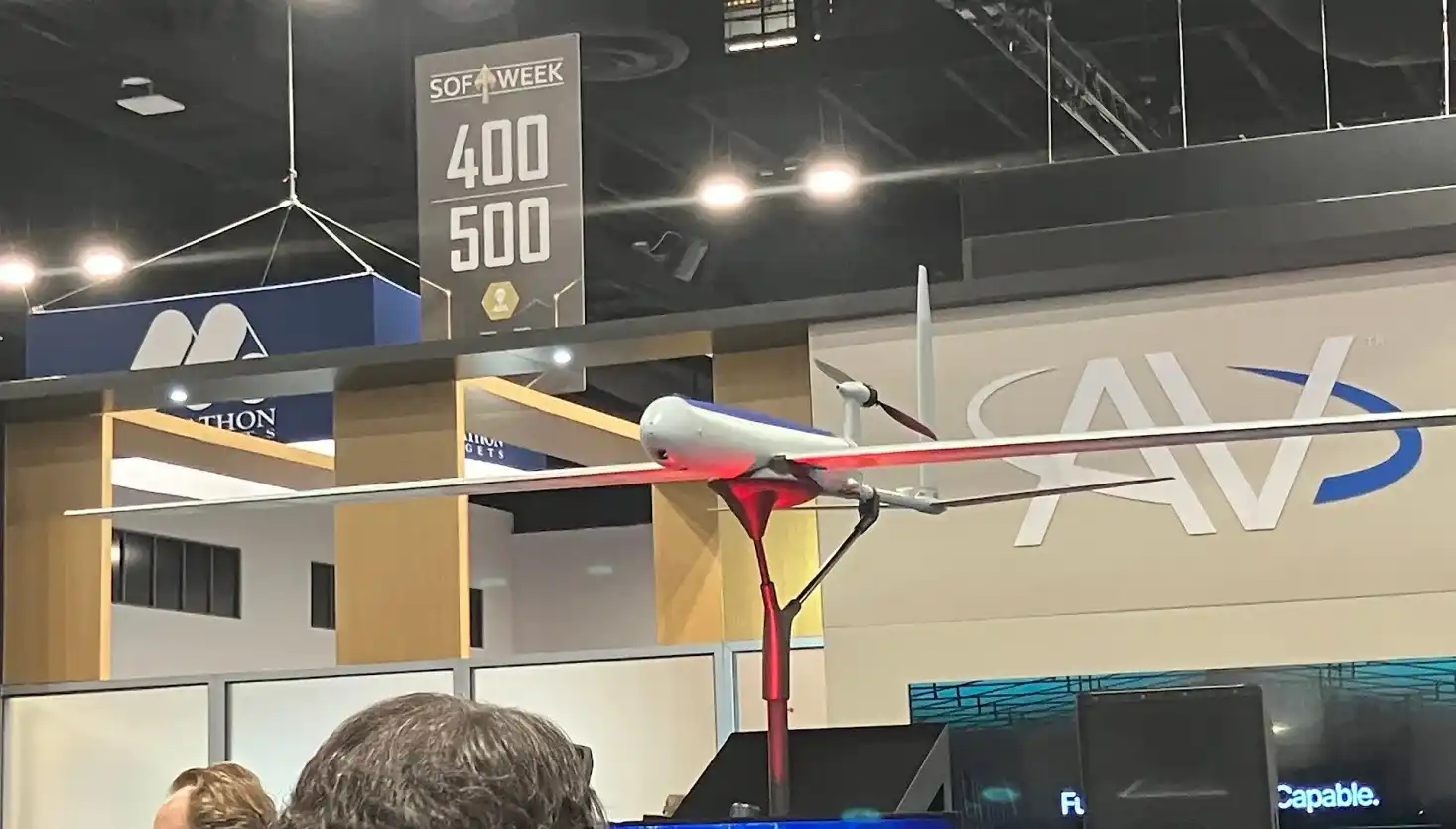
Advanced Capabilities and Specifications
At its core, the Red Dragon is designed around an “optional man-in-the-loop” philosophy, leveraging the SPOTR-Edge perception system to autonomously identify and interrogate a wide array of targets. This architecture enables the drone to function as an independent hunter, with the ability to search, detect, and strike with minimal human oversight. Key specifications include:
- Cruising Speed: ~56 mph (25 meters/second)
- Terminal Sprint Speed: ~100 mph (45 meters/second)
- Flight Range: ~250 miles (400 kilometers)
- Flight Time: 5–6 hours
- Payload Capacity: 22 pounds (10 kilograms)
- Standard Payload: 5-pound explosively formed penetrator (EFP) warhead
Notably, the Red Dragon’s aerodynamic design favors sustained flight, employing a powered glider approach to maximize dwell time. This extended loitering capability allows the drone to hover over target zones for prolonged periods, scrutinizing potential threats with precision.
Autonomous Target Acquisition and Engagement
A distinguishing feature of the Red Dragon is its automatic target recognition (ATR). The SPOTR-Edge software utilizes an extensive data library, incorporating battlefield intelligence such as ISR data, infrared, electro-optical imagery, and more to classify and confirm targets. Once a target is positively identified, the drone provides real-time feedback to its operator, who can approve or deny engagement commands—an interaction that embodies the “man-on-the-loop” model.
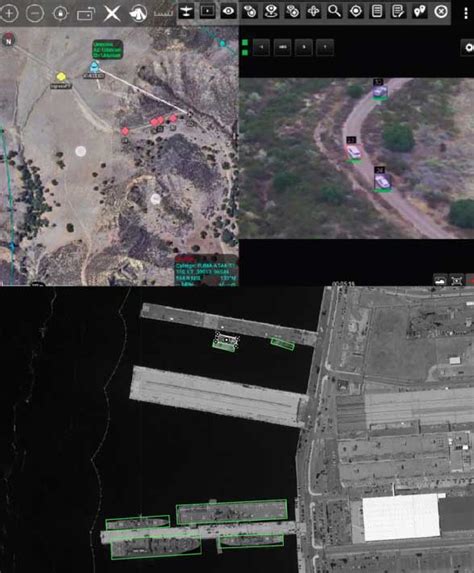
This system is capable of targeting a diverse range of assets, from stationary infrastructure and building compounds to mobile units such as light vehicles and trucks. The attack angle and engagement timing are customizable based on mission parameters, underscoring the Red Dragon’s flexibility and adaptability in dynamic combat scenarios.
Designed for Survivability and Stealth
One of the standout elements of the Red Dragon is its emphasis on electronic warfare resilience. By relying on passive optical systems, the drone reduces its signal emissions, making it exceedingly difficult for adversaries to detect and track. The low auditory signature further enhances stealth, allowing the drone to operate effectively even against sophisticated counter-drone measures.
The drone maintains a radio link and hardened GPS for critical mission phases, enabling operators to redirect or update mission parameters mid-flight. However, its design allows it to function independently if these communications are disrupted, thanks to robust visual navigation and pre-programmed mission profiles.
Production Scalability and Export Potential
AeroVironment’s focus on simplicity and modularity ensures that the Red Dragon can be produced rapidly and at scale. By utilizing commercial off-the-shelf components, the company keeps costs manageable, making the system attractive not only to the U.S. military but also to international customers. Discussions around a non-ITAR exportable version highlight its growing global appeal.
Strategic and Ethical Implications
The Red Dragon’s introduction into the battlefield raises critical questions about the future of autonomous warfare. While the U.S. maintains a policy of keeping a human-in-the-loop for life-and-death decisions, the drone’s high degree of autonomy reflects broader global trends toward increased reliance on AI-driven systems. The ability to conduct missions with minimal human oversight introduces both tactical advantages and moral complexities, particularly concerning lethal autonomous weapon systems (LAWS).
The Red Dragon’s development is informed by lessons learned from AeroVironment’s successful Switchblade family of loitering munitions, which have seen extensive use in Ukraine and other conflict zones. These insights have driven improvements in electronic warfare countermeasures, autonomous navigation, and software-defined adaptability.
The Evolution of AI-Driven Combat Systems
AeroVironment’s MacCready Works—named after founder Paul MacCready—spearheads the innovation behind the Red Dragon, focusing on advanced autonomy, sensor integration, and mission-specific software enhancements. This software-defined architecture ensures that the Red Dragon can evolve rapidly, adapting to emerging threats and mission requirements.
The shift toward software-centric design allows for real-time operational flexibility, enabling mission-specific tweaks such as customized attack angles, dwell times, and target prioritization. As adversaries enhance their counter-drone capabilities, the Red Dragon’s modular software and hardware ecosystem positions it to remain at the forefront of battlefield innovation.
Conclusion: Redefining the Future of Loitering Munitions
The Red Dragon represents a bold step forward in the field of loitering munitions, blending advanced autonomy, precision strike capabilities, and operational resilience. Its design reflects the realities of modern warfare, where electronic warfare, rapid adaptability, and minimal user interaction are paramount. While it aligns with current U.S. policies on operator oversight, its near-autonomous functionality illustrates the fine line between man-on-the-loop and fully autonomous systems.
As AeroVironment continues to refine and expand the Red Dragon platform, it is clear that this drone will play a pivotal role in shaping the next generation of autonomous combat solutions. The Red Dragon not only enhances tactical options on the battlefield but also pushes the conversation forward on the ethical and strategic dimensions of AI-powered warfare.