The drone market, long dominated by a few key players, has recently seen the emergence of a new name causing considerable buzz and speculation: Specta Drones. These unmanned aerial vehicles (UAVs) have captured the attention of enthusiasts and industry observers alike, primarily due to their striking resemblance to popular models from DJI, the undisputed leader in consumer and prosumer drone technology. The central question echoing through online forums, YouTube comment sections, and social media groups is deceptively simple yet profoundly complex: Are Specta drones merely re-branded DJI aircraft, sophisticated copycats, or something else entirely? This deep dive aims to unravel the mystery surrounding Specta, examining the evidence, exploring the theories, and providing a comprehensive understanding of what these drones represent in the rapidly evolving aerial technology landscape.
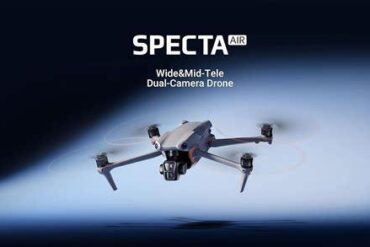
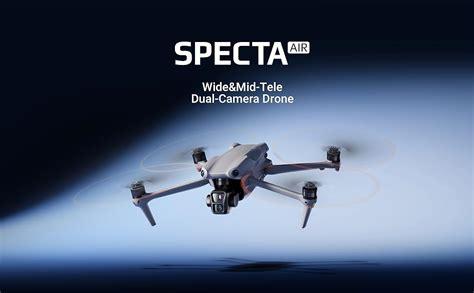
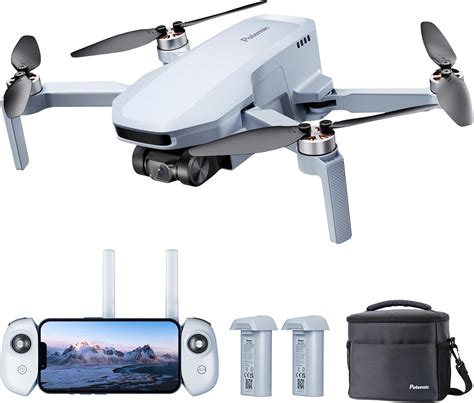
The appearance of Specta drones was not marked by a high-profile launch or an extensive marketing campaign. Instead, they began to surface more discreetly, often appearing on e-commerce platforms like Amazon, sometimes accompanied by attractive introductory pricing. Models such as the Specta Air and the Specta Mini 4K immediately drew comparisons to their DJI counterparts, specifically the DJI Air 3 and the DJI Mini 4K (or Mini 2 SE, depending on the specific iteration). The physical similarities are, by all accounts, not just superficial; they extend to the overall design language, dimensions, propeller design, and even the placement of sensors and cameras. This uncanny resemblance has naturally fueled the debate about their origins and their relationship with DJI, prompting a closer look from curious consumers and seasoned drone pilots.
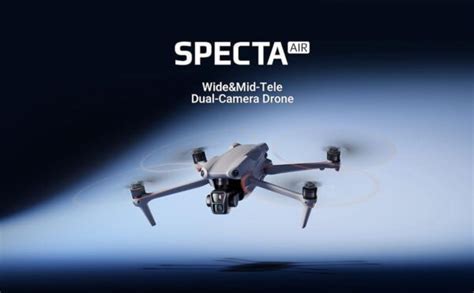
Initial user reports and early reviews quickly highlighted these parallels. For instance, individuals who have had hands-on experience with both a DJI Air 3 and its Specta Air counterpart have noted that, to the naked eye, the airframes appear virtually identical. This observation isn’t limited to a single model; the pattern of similarity repeats across the Specta product line where a corresponding DJI model exists. Such a high degree of replication is not easily achieved, suggesting a level of manufacturing precision and design access that goes beyond typical reverse engineering efforts often seen in the electronics industry. This has led many to ponder whether Specta’s production involves more than just imitation, perhaps pointing towards a more formal, albeit unpublicized, arrangement.
Unpacking the “Rebranded DJI” Theory: Evidence and Arguments
The most prevalent theory posits that Specta drones are, in essence, DJI drones manufactured under a different brand name, possibly through a licensing agreement. Several pieces of evidence support this line of reasoning. The overwhelming physical resemblance is the most immediate and compelling factor. It’s not just about looking similar; users have reported that the feel, the materials, and the construction quality are remarkably close to DJI’s established standards. Some anecdotal reports have even suggested that upon closer inspection of certain Specta drone components, faint DJI markings or internal labels have been discovered, hinting at shared manufacturing lines or parts sourcing. Such findings, if widespread, would strongly indicate a direct link to DJI’s supply chain and manufacturing processes.
Beyond the physical hardware, clues have also emerged from the firmware and software. There have been discussions about Specta drone firmware containing references or code snippets that are identical or highly similar to those found in DJI firmware. While this is harder for the average user to verify, tech-savvy individuals delving into the software architecture have pointed to these commonalities. If the core operating system and flight control algorithms are fundamentally DJI-derived, it further strengthens the argument that these are not independent creations but rather variations of existing DJI platforms. The software application used to control Specta drones also bears examination; if it’s a thinly veiled version of the DJI Fly app or a compatible fork, it would be another significant indicator.
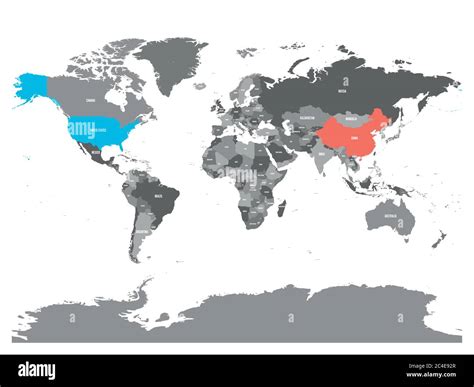
The concept of DJI licensing its technology to a third-party entity like Specta is not without precedent or logical motivation. One compelling reason for DJI to engage in such a strategy could be to navigate complex geopolitical landscapes and trade restrictions. In recent years, DJI has faced scrutiny in certain Western markets, particularly the United States, over security concerns and its ties to China. By licensing its technology to a company that can manufacture or assemble drones outside of China, perhaps in a country like Malaysia (as some sources suggest), DJI could potentially offer its market-leading technology through a channel that is perceived as less problematic by regulators or certain government agencies. This approach allows DJI to maintain market presence and sales even if direct imports of DJI-branded products face hurdles.
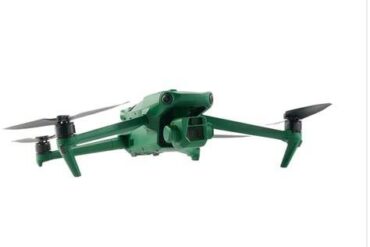
A parallel can be drawn with Anzu Robotics, a company that has reportedly partnered with DJI to offer enterprise-grade drones, like the Anzu Raptor series (resembling DJI Mavic 3 Enterprise), specifically for markets requiring products not directly manufactured in China or by Chinese-owned entities. The Anzu model focuses on enterprise solutions, while Specta appears to target the consumer and prosumer segments. If this model is indeed being replicated, Specta could be DJI’s answer to maintaining its foothold in the consumer drone space amidst increasing geopolitical pressures. This “Made Outside China” aspect, if true for Specta, would be a significant strategic advantage in certain contexts, potentially allowing these drones to be eligible for procurement by entities that are currently restricted from purchasing DJI-branded products.
The Battery Conundrum: A Key Differentiator or a Subtle Lock-in?
One of the most discussed and often confusing aspects of Specta drones is battery compatibility. While the drones themselves may appear identical to their DJI counterparts, the situation with batteries is more nuanced and has led to considerable debate. Numerous user reports confirm that Specta drones ship with their own branded “Specta Intelligent Batteries.” The critical question is whether these batteries are interchangeable with official DJI batteries, and vice-versa.
The consensus emerging from user experiences, particularly for models like the Specta Mini 4K, is that DJI-branded batteries are generally not fully compatible with Specta drones for flight operations. As one user detailed, a DJI battery might power on a Specta Mini 4K, but the drone will refuse to take off, indicating a firmware or hardware restriction. Conversely, there are claims that Specta-branded batteries might work in the corresponding DJI drone models, though this also requires careful verification across all comparable models.
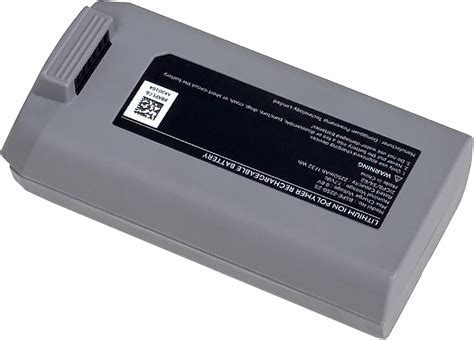
This phenomenon is often attributed to a “firmware lock” on the batteries or the drone’s battery recognition system. This means the drone’s firmware is programmed to check for specific identifiers or authentication chips within the battery. If a non-approved battery (e.g., a DJI battery in a Specta drone, in some cases) is detected, the drone may restrict full functionality, most notably flight. This isn’t an entirely new concept; DJI itself employs sophisticated battery management systems that ensure only genuine, compatible batteries are used, citing safety and performance reasons. If Specta is indeed a licensed entity, DJI might mandate such a system to differentiate the product lines, manage regional sales, or control the ecosystem for Specta drones separately.
The implications of this battery incompatibility are significant for users. It means that owners of Specta drones cannot simply use their existing pool of DJI batteries, nor can they readily purchase DJI batteries as replacements or spares. They are tied to Specta-branded batteries, which might have different availability, pricing, and potentially even slight variations in performance or longevity compared to their DJI equivalents. While some users have reported that the Specta batteries themselves perform well, the lack of cross-compatibility can be an inconvenience and an added expense for those already invested in the DJI ecosystem. It also raises questions about long-term support and availability of Specta-specific batteries if the brand’s market presence changes.
Specta Drones Performance: How Do They Stack Up?
Beyond the physical similarities and battery quirks, the ultimate test for any drone is its performance in the air and the quality of its imaging capabilities. If Specta drones are indeed built upon DJI’s proven platforms, one would expect their performance to be largely comparable. Reports from users who have flown Specta models generally suggest that the flight characteristics are very similar to their DJI counterparts. This includes aspects like stability, responsiveness to controls, speed, and maneuverability. Given DJI’s advanced flight control systems, which are a result of years of research and development, replicating this level of performance would be a monumental task for an independent copycat. The fact that Specta drones often mirror this performance lends further credence to the theory of a close technological lineage.
Camera quality is another critical benchmark. DJI is renowned for the imaging systems on its drones, offering excellent sensors, good dynamic range, and effective image processing. For Specta drones to be truly competitive, their cameras must deliver comparable results. For example, if a Specta Mini 4K is positioned against a DJI Mini 4K or Mini 2 SE, users expect similar video resolutions (e.g., 4K at 30fps), photo quality, and gimbal stabilization. Early indications suggest that the camera hardware and resulting image/video quality from Specta drones are indeed very close, if not identical, to the DJI models they emulate. This implies access to similar sensor technology and image processing pipelines, which are hallmarks of DJI’s products.
The software and application experience also plays a vital role. DJI’s Fly app (or Go 4 for older models) is generally well-regarded for its user interface and feature set. If Specta drones utilize a reskinned version of the DJI Fly app or a proprietary app that heavily borrows from DJI’s design and functionality, it would provide a familiar experience for existing DJI users and a robust platform for new users. The stability of the control link, effective transmission range, and reliability of features like Return-to-Home (RTH) are all crucial performance aspects that depend on both hardware and software integration. Specta’s ability to match DJI in these areas would be a strong indicator of shared core technology.
Are Specta Drones “Copycats” or a Strategic Move by DJI?
The term “copycat” often implies an unauthorized imitation, potentially infringing on intellectual property rights. While the visual similarity of Specta drones might initially suggest this, the depth of replication, particularly in firmware and performance, makes the simple copycat theory less plausible. Creating a drone that not only looks like a DJI product but also flies and performs almost identically requires an immense level of engineering prowess and access to sophisticated components and software – a feat that would be incredibly challenging and costly to achieve without some form of cooperation or licensing from the original manufacturer.
This leads back to the more compelling argument that Specta represents a strategic move by DJI. The primary motivation for such a strategy would likely be to mitigate geopolitical risks and navigate trade restrictions. As mentioned earlier, DJI has faced significant headwinds in markets like the US, including being placed on economic blocklists and facing potential bans. By establishing or licensing a brand like Specta, potentially with manufacturing or final assembly occurring in a country perceived as more neutral (e.g., Malaysia, as suggested by some community members like PHcoach on Reddit), DJI could create a channel for its technology that sidesteps some of these direct restrictions. This is not just about selling drones; it’s about maintaining market share, ensuring continued access to key consumer bases, and future-proofing the business against further escalations in trade disputes.
The “ban evasion” hypothesis, as some have termed it, suggests that Specta is a deliberate attempt to offer DJI technology under a guise that might be more acceptable to regulators. However, the effectiveness of such a strategy is debatable. Some US lawmakers have publicly stated that a simple rebrand of Chinese-made technology would not be sufficient to alleviate their concerns, and that any ban could potentially include clauses covering “DJI-like” drones from China or drones utilizing core DJI technology, regardless of the brand name or assembly location. The fact that Specta hasn’t, as of some reports, released clones of DJI’s very latest models since these political statements were made could be indicative of a cautious approach or a re-evaluation of this strategy’s long-term viability.
User Experiences and Community Perspectives: What Do Owners Say?
Delving into online communities, forums like Reddit, and YouTube reviews provides a mixed but illuminating picture of user experiences with Specta drones. Many users are drawn to Specta by the allure of DJI-like quality and performance, potentially at a more attractive price point, especially when deals appear on platforms like Amazon. Those who have purchased and flown Specta drones often express satisfaction with the flight stability, camera output, and overall build quality, frequently noting how indistinguishable they feel from their DJI equivalents. For example, one user, dragoninkpiercings, asserted that their Specta Mini 4K is “really just a DJI Mini 4K without the DJI branding.”
However, the battery incompatibility issue is a recurring point of contention and confusion. The inability to use standard DJI batteries with Specta drones (or vice-versa in some scenarios) is a significant drawback for users who may have already invested in DJI’s ecosystem. The firmware lock on batteries, as described by NilsTillander in online discussions, is a practical hurdle. There’s also an undercurrent of uncertainty regarding long-term support, warranty claims, and firmware updates for Specta drones. While DJI has a well-established global support network, the infrastructure for Specta support is less clear, which can be a concern for potential buyers.
Some in the community, like user Chorazin, speculate that Specta might have been DJI “testing the waters” for a ban evasion rebrand. This perspective suggests that Specta’s emergence was an experiment to gauge market reaction and regulatory response. The lack of clarity from any official source (either Specta or DJI) further fuels this speculation. While some users are content with what they perceive as a good-value alternative, others remain wary of the brand’s ambiguous origins and long-term prospects.
Navigating the Specta Drone Landscape: What Buyers Need to Know
For consumers considering a Specta drone, several factors warrant careful consideration. The primary appeal is often the potential for DJI-level technology at a possibly lower cost. If the performance and build quality are indeed on par with DJI, as many reports suggest, then a Specta drone could represent excellent value, particularly if found at a discount. However, the battery situation is a critical factor. Buyers must be prepared to invest in Specta-specific batteries and understand that their existing DJI batteries may not be compatible for flight. Researching the availability and cost of spare Specta batteries is essential before making a purchase.
Warranty and customer support are also paramount. Prospective buyers should investigate the warranty terms offered for Specta drones in their region and try to ascertain the process for service and repairs. Unlike DJI’s established global presence, Specta’s support network might be less developed or clear, potentially leading to challenges if issues arise. Furthermore, the long-term availability of firmware updates and software support is an unknown. DJI regularly updates its drones with new features, security patches, and bug fixes. Whether Specta drones will receive a similar level of ongoing support remains to be seen.
Finally, while the evidence leans towards Specta being a licensed or strategically aligned entity rather than an unauthorized copy, the lack of official communication creates a degree of ambiguity. Buyers should be comfortable with this uncertainty. If the primary goal is to acquire proven DJI technology and performance, and the Specta offering aligns with their budget and risk tolerance regarding support and battery specifics, then it might be a viable option. However, those who prioritize unequivocal manufacturer backing, established support channels, and seamless ecosystem compatibility might still prefer to opt for DJI-branded products directly, even if it means a higher initial outlay.
Conclusion: The Specta Drone Enigma – Clarity Emerging?
The puzzle of Specta drones, while not yet officially solved by a clear statement from DJI or Specta, is becoming less opaque as more information and user experiences surface. The overwhelming evidence – from striking physical similarities and shared internal components to comparable flight performance and potential firmware overlaps – strongly suggests that Specta drones are not mere copycats but are intrinsically linked to DJI’s technology and manufacturing capabilities. The most plausible explanation is that Specta represents a licensed brand or a strategic initiative by DJI, likely aimed at navigating geopolitical trade complexities and maintaining market access by offering products that can be marketed as being manufactured or assembled outside of China, possibly in locations like Malaysia.
The key differentiator appears to be the battery ecosystem, which seems intentionally segregated, likely due to firmware management. This creates a distinct product line, even if the core drone technology is largely identical. While this may present an inconvenience for some users, it allows for market segmentation and control.
For consumers, Specta drones offer a tantalizing prospect: DJI’s renowned drone technology potentially at a more accessible price point or through channels less affected by trade restrictions. However, this comes with considerations regarding battery exclusivity, and the still-developing picture of long-term support and official standing. As the drone market continues to evolve under the shadow of global trade dynamics, ventures like Specta and Anzu Robotics may become increasingly common strategies for established players seeking to adapt and thrive. The Specta drone story is a fascinating case study in how technology, commerce, and geopolitics intersect in the 21st century, and its final chapters are likely still being written.