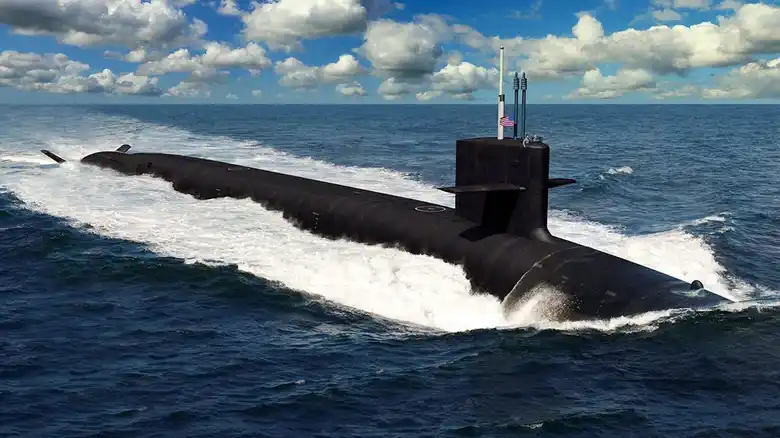
The United States Navy is on the verge of a transformational leap in undersea warfare, one that will redefine strategic deterrence, nuclear capability, and naval engineering excellence for decades to come. In 2028, the first vessel of the Columbia-class nuclear submarine will be completed, marking the beginning of a new era that replaces the aging yet formidable Ohio-class fleet. This is not a routine upgrade—it is a generational shift in how the United States projects power silently beneath the oceans.
For decades, ballistic missile submarines (SSBNs) have served as the most survivable leg of the nuclear triad. Hidden in the depths, virtually undetectable, they provide a constant and credible deterrent against nuclear aggression. The Columbia-class is designed to elevate that role with cutting-edge technology, increased survivability, and unprecedented operational endurance.
What makes this new class particularly compelling is how it blends proven weapon systems with next-generation engineering innovations. It is not simply about building a bigger submarine—it is about building a smarter, quieter, and more efficient platform that can operate continuously without the traditional logistical limitations that have defined previous generations.
The Strategic Shift: Why the Columbia-Class Matters
The Ohio-class submarines have long been the backbone of America’s sea-based nuclear deterrent, but they are approaching the limits of their operational lifespan. Maintaining them indefinitely is neither practical nor strategically sound. The Columbia-class program emerges as a carefully planned response to this reality, ensuring there is no gap in deterrence capability.
Unlike fast attack submarines such as the Virginia-class or Seawolf-class, which focus on tactical missions like hunting enemy vessels or gathering intelligence, SSBNs serve a singular and critical purpose: delivering nuclear payloads with absolute reliability. The Columbia-class is engineered with that mission at its core, prioritizing stealth, endurance, and survivability above all else.
The lead vessel, USS District of Columbia, represents more than just a new ship—it symbolizes continuity in strategic dominance. Following closely will be the USS Wisconsin, with a total of 12 submarines planned to replace the current fleet of 14 Ohio-class boats.
Engineering a Giant: Size, Power, and Design Evolution
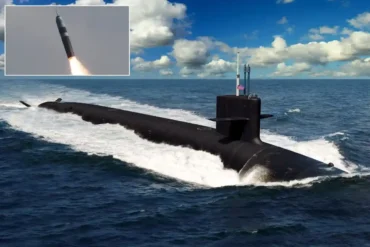
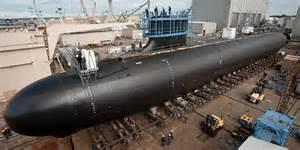
The Columbia-class will be the largest submarine ever operated by the United States Navy, with a displacement of approximately 21,000 tons. While its length—about 560 feet—mirrors that of the Ohio-class, the internal architecture and systems represent a complete redesign.
This increase in displacement is not merely about scale. It reflects the integration of advanced systems, improved habitability, and enhanced stealth features. Every inch of the submarine is optimized for quiet operation, a critical factor in ensuring it remains undetectable in hostile waters.
One of the most significant breakthroughs is the life-of-the-ship nuclear reactor core. Unlike previous submarines that require mid-life refueling—an expensive and time-consuming process—the Columbia-class eliminates this need entirely. This innovation drastically reduces maintenance downtime and ensures the submarine remains operational for its entire service life without major reactor overhauls.
From a strategic perspective, this means more time on patrol, fewer vulnerabilities during maintenance cycles, and a more consistent deterrent presence across global waters.
Weapon Systems: Proven Power Meets Modern Precision
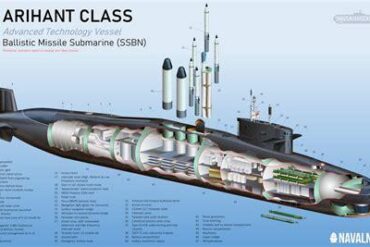
While the Columbia-class introduces numerous technological advancements, it maintains continuity in one critical area: its nuclear missile system. The submarine will carry the Trident II D5 ballistic missile, a weapon that has been in service since 1990 but continues to receive upgrades that keep it highly effective.
This decision reflects a pragmatic approach—why replace a system that remains reliable, accurate, and formidable? Instead, the Navy has focused on enhancing the fire control systems, integrating modern computing and targeting capabilities that significantly improve operational efficiency and responsiveness.
In addition to its strategic payload, the Columbia-class is equipped with MK48 torpedoes, one of the most advanced heavyweight torpedoes in the world. Originally developed decades ago, the MK48 has undergone continuous upgrades, ensuring it remains lethal against both surface ships and submarines.
The combination of legacy weapons and modern systems creates a hybrid approach: dependable firepower supported by cutting-edge technology.
Stealth Redefined: The Silent Advantage
In submarine warfare, silence is survival. The Columbia-class is expected to be the quietest submarine ever built by the United States, incorporating advanced noise-reduction technologies that make it extraordinarily difficult to detect.
This includes innovations in:
- Propulsion systems designed to minimize acoustic signatures
- Hull coatings that absorb sonar signals
- Machinery isolation techniques that reduce onboard vibrations
These features ensure that the submarine can operate undetected even in increasingly contested and sensor-rich maritime environments.
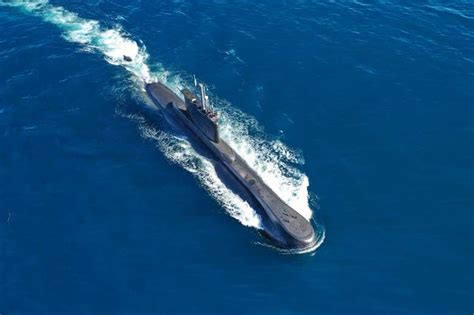
As global powers invest heavily in anti-submarine warfare capabilities, stealth is no longer optional—it is essential. The Columbia-class is designed with this reality in mind, ensuring it remains viable well into the mid-21st century.
Cost and Commitment: The Price of Strategic Security
Building the Columbia-class submarines represents one of the most significant investments in U.S. naval history. Each of the first three boats is estimated to cost around $9 billion, reflecting the complexity and sophistication of the program.
This figure might seem staggering at first glance, but it underscores the importance of nuclear deterrence in national security strategy. These submarines are not just weapons—they are insurance policies against existential threats.
Moreover, the reduction from 14 Ohio-class submarines to 12 Columbia-class vessels is not a downgrade. Thanks to improved efficiency and longer operational cycles, the new fleet is expected to maintain—or even enhance—the same level of deterrence coverage with fewer platforms.
Operational Timeline: From Construction to Deployment
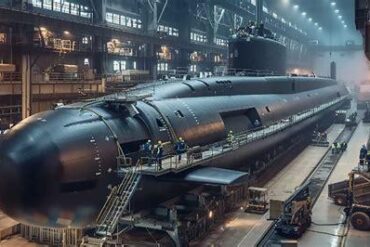
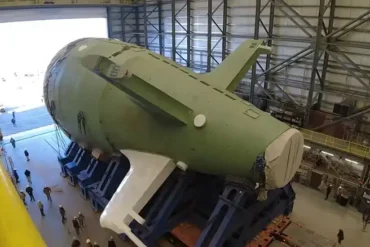
The journey from concept to deployment is a long and meticulously managed process. The USS District of Columbia is scheduled for completion in 2028, with full operational capability expected by 2030.
This timeline reflects the complexity of building a submarine that must perform flawlessly under the most extreme conditions imaginable. Every system undergoes rigorous testing to ensure reliability, safety, and performance.
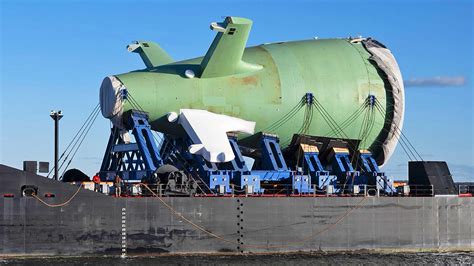
The involvement of General Dynamics Electric Boat, one of the most experienced submarine builders in the world, ensures that the project benefits from decades of expertise. Collaboration with other industry partners further strengthens the program, bringing together the best minds in naval engineering.
Global Context: The Evolving Undersea Battlefield
The introduction of the Columbia-class comes at a time of increasing geopolitical tension and rapid technological advancement. Nations like China and Russia are expanding their submarine fleets and investing heavily in advanced weaponry, including hypersonic missiles and next-generation torpedoes.
In this environment, maintaining a credible and survivable nuclear deterrent is more important than ever. The Columbia-class is not just a replacement—it is a strategic response to a changing world.
Its ability to remain hidden, operate continuously, and deliver devastating force if necessary ensures that it will remain a cornerstone of U.S. defense strategy for decades.
Life Aboard: Technology Meets Human Endurance
While much of the focus is on technology and weaponry, the human element remains critical. Submarine crews operate in some of the most challenging environments imaginable—isolated, confined, and under constant pressure.
The Columbia-class incorporates improvements in crew habitability, including better living conditions, advanced monitoring systems, and more efficient layouts. These enhancements are designed to support long deployments and maintain peak performance among crew members.
Even small improvements can have a significant impact when sailors spend months beneath the ocean’s surface.
A Quiet Revolution Beneath the Waves
The Columbia-class is not a flashy symbol of military power. It does not dominate headlines like aircraft carriers or fighter jets. Instead, its strength lies in its invisibility—in its ability to operate silently, unseen, and undetected.
This is the essence of modern deterrence: strength without visibility, power without provocation.
As the first submarine prepares to enter service, it represents more than technological progress. It embodies a strategic philosophy that has guided naval power for generations—control of the seas begins beneath them.
Conclusion: The Future of Nuclear Deterrence
The arrival of the Columbia-class in 2028 marks a defining moment in naval history. It is a bold investment in the future, combining proven weapon systems, revolutionary engineering, and strategic foresight into a single platform.
By eliminating mid-life refueling, enhancing stealth capabilities, and maintaining a reliable nuclear arsenal, the Columbia-class sets a new standard for what a ballistic missile submarine can achieve.
In a world where uncertainty is the only constant, the ability to maintain a secure and credible deterrent is invaluable. The Columbia-class ensures that the United States will continue to possess that capability—quietly, persistently, and effectively—for decades to come.