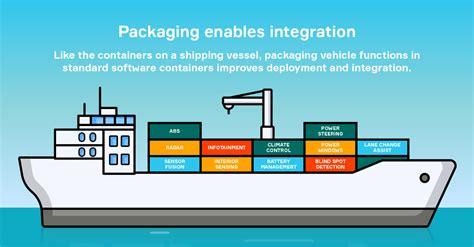
The containerization revolution transformed global trade by enabling goods to be moved quickly and efficiently across ships, trucks, and trains using standardized containers. Intermodal transport created a seamless logistical chain, slashing loading times, labor costs, and theft risks. Given its transformative power in cargo, a natural question arises: Why hasn’t containerization taken off in commercial aviation, particularly for passengers? While Unit Load Devices (ULDs) are common for freight, true intermodal modularity — swapping entire passenger cabins between aircraft — remains absent. The aviation sector, with its unique engineering demands, operational constraints, and safety imperatives, resists simplification in this manner.
The Allure of Containerized Passenger Modules
Conceptually, modular passenger cabins offer an alluring vision. Imagine passengers boarding a pod in the terminal, comfortably taking their seats while the module is prepped off the aircraft. The pod then slides into the fuselage — minimizing boarding delays, turnaround times, and gate congestion.
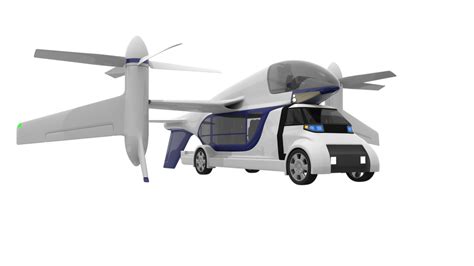
Such a model, known as “plug-and-play fuselage modules,” mirrors how shipping containers work. Aircraft would serve as propulsion platforms, swapping modules like trucks pick up trailers. In theory, this could:
- Reduce turnaround times by allowing parallel boarding processes
- Optimize aircraft utilization by minimizing gate idle times
- Enable off-site cabin preparation, improving cleaning and catering logistics
- Standardize aircraft interiors, facilitating easier retrofits and upgrades
Yet despite these advantages, no commercial aircraft today adopts modularized fuselage cabins. Why?
The Weight and Structure Challenge
Modern aircraft are meticulously optimized machines where every kilogram matters. Introducing removable passenger pods would require:
- A load-bearing exoskeleton to support detachment and reattachment
- Specialized docking mechanisms to maintain airtight seals and structural integrity
- Additional latching and safety systems to manage in-flight forces
These components would add significant structural weight, which would directly impact fuel efficiency, range, and payload capacity. Unlike shipping containers that ride on flat decks or railcars, aircraft must account for pressurization, G-forces, vibration, and turbulence. The fuselage cannot be simply a “truck trailer.”
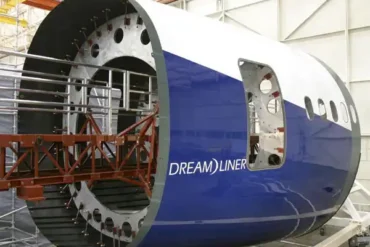
Moreover, current pressurized cabins form an integral part of the aircraft’s airframe. Making them detachable would mean redesigning much of the aircraft architecture — a monumental engineering undertaking that could nullify the gains in turnaround efficiency.
Operational Complexity and Airport Infrastructure
Even if detachable passenger cabins were made viable, aviation’s global infrastructure poses another barrier. Airports would need to accommodate:
- Heavy lifting machinery to swap cabins safely and quickly
- Dedicated staging areas for loading/unloading pods
- Massive coordination between ground crew, cabin staff, airside logistics, and aircraft systems
This process would introduce new logistical choke points. Instead of simplifying operations, cabin containerization could increase ground complexity, requiring a parallel system to traditional boarding.
And let’s not forget redundancy. In case a container pod has a fault, would a spare cabin be on standby at every airport? How would airlines manage irregular operations? Would budget airlines carry extra pods just in case?
Human Behavior and the Parallel Boarding Fallacy
At the core of containerization’s appeal is faster boarding. However, current boarding inefficiencies stem from human behavior more than mechanical processes. People:
- Take time finding their seats
- Store overhead luggage inefficiently
- Move slowly, especially in economy configurations
Some argue modular cabins enable parallel boarding, but people still need to get into the cabin. Whether entering a parked aircraft or boarding a ground-level container, the bottleneck remains human — not mechanical. Additionally, once passengers are seated, safety checks, catering, baggage loading, fueling, and other pre-flight steps still take place — many of which can’t be accelerated by containerization.
Aviation Already Uses Containerization — But for Cargo
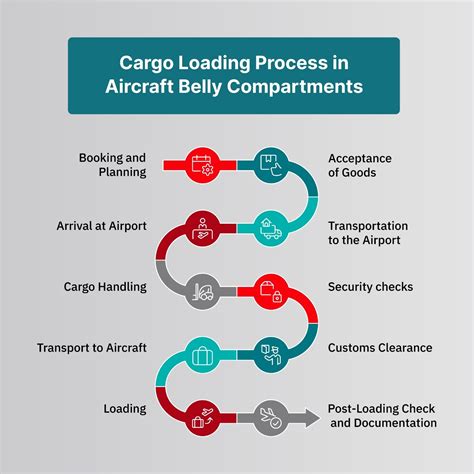
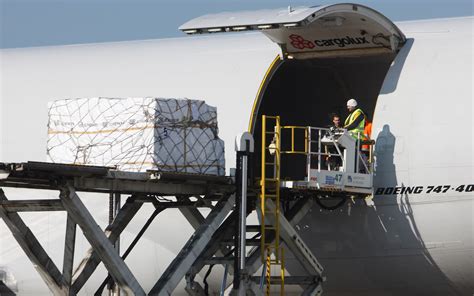
While the idea of plug-and-play passenger cabins remains a dream, aviation has fully embraced containerization in cargo operations through Unit Load Devices (ULDs). These are standardized containers that slide into cargo holds, streamlining freight logistics and minimizing turnaround times.
ULDs offer:
- Rapid cargo handling
- Improved load security and tracking
- Reduced labor intensity
Airlines and logistics companies like FedEx, DHL, and UPS rely heavily on ULDs to maintain tight delivery schedules. ULDs have proven effective because cargo doesn’t need comfort, climate control, or pressurization to the extent passengers do.
Military and Niche Concepts: Partial Precedents
Some military and niche aviation platforms have toyed with modular interiors. The Boeing 727 and 737 Quick Change (QC) variants allowed airlines to swap seat pallets with cargo configurations overnight. These were not fully detachable cabins but interior reconfiguration systems.
Other conceptual platforms like the Boeing Pelican or DARPA’s Gremlins program explore modularity in logistics, often for military objectives. These concepts support:
- Rapid deployment of troops or equipment
- Air-launch and recovery of drones
Still, none involve fully containerized human modules in commercial flight. The cost, complexity, and safety risks outweigh the theoretical benefits.
Passenger Rail Isn’t Truly Intermodal Either
Some point to train ferries and HiRail systems as evidence of passenger containerization. However, these models involve carrying entire railcars — not detachable pods. Their goal is to extend the rail journey across water, not reconfigure transport modes.
Moreover, these systems exist where speed is less critical and infrastructure can support slow, heavy transfers. Aviation, by contrast, thrives on minimizing drag, maximizing fuel efficiency, and adhering to tight schedules.
Innovation vs. Practicality in Aviation Design
Innovation in aviation must clear an unusually high bar. Safety, cost, weight, certification, and airport compatibility form a tight envelope. Any new technology must prove itself in all these areas before seeing adoption.
Cabin containerization is not just an engineering challenge; it’s an economic, logistical, and regulatory puzzle. Even if technically feasible, it’s unlikely to deliver ROI better than optimizing existing processes, such as:
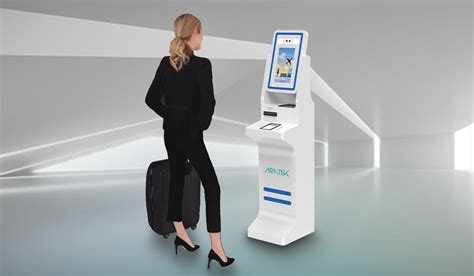
- Better boarding protocols (zoned boarding, biometric gates)
- Streamlined seat layouts
- Real-time passenger tracking
The Future: Automation and Smart Cabins Over Containers
Rather than betting on detachable passenger cabins, aviation innovation is increasingly focused on automation, digitization, and cabin modularity within fixed airframes. Trends shaping the future include:
- Smart seating systems that reconfigure between flights
- Digitally orchestrated boarding to reduce human inefficiencies
- Cabin pre-prep units for food, supplies, and cleaning — handled off-aircraft
These innovations preserve the structural integrity of the aircraft while addressing the root cause of inefficiencies: ground time, human delays, and service coordination.
Conclusion: Conceptually Bold, Practically Impractical
The idea of containerized passenger modules is bold — perhaps even elegant — but in practice, it falters under the weight of structural, operational, and behavioral realities. Aircraft are not trucks. Passenger comfort, pressurization, safety, and economics impose constraints unique to aviation.
While containerization revolutionized sea and land transport, aviation’s evolution has followed a more constrained trajectory. Instead of chasing modular pods, the future lies in smarter logistics, better cabin design, and advanced boarding technologies.
Containerization in aviation exists — just not for passengers. And maybe, that’s for the best.