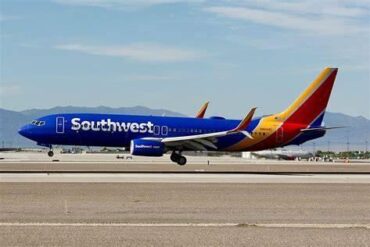
For decades, Southwest Airlines has been synonymous with low-cost, short-haul domestic air travel. Its legendary simplicity—built on a point-to-point network and an all-Boeing 737 fleet—has made it one of the most consistently profitable airlines in the world. But as global aviation trends evolve and competition in the U.S. domestic market intensifies, Southwest’s ambitions appear to be expanding across the Atlantic. Recent remarks from CEO Bob Jordan have ignited fresh speculation: Is Southwest preparing to order the Boeing 787 Dreamliner for long-haul international routes?
The possibility may seem like a radical departure, but it is grounded in compelling strategic rationale, economic conditions, and shifting operational realities.
Why Southwest Might Go Long-Haul Now
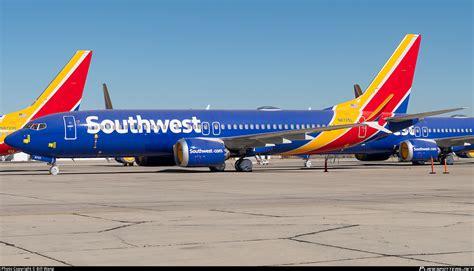
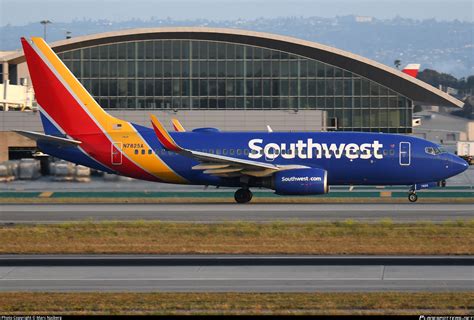
The timing of these rumors is not coincidental. In 2025, Southwest is facing increased saturation in its domestic market. Its attempts at international expansion—largely focused on Mexico, the Caribbean, and Central America—have been restricted by the range of its 737 MAX 8 fleet. When asked about future plans, CEO Bob Jordan suggested that new international ambitions “could require that we think about a different aircraft.”
Wall Street analysts and aviation insiders are speculating that Southwest could test European markets via partnerships with Icelandair, especially from hubs like Baltimore, Nashville, and Denver to Reykjavík. These cities not only offer strategic geographic positioning, but they also provide lower-cost operations compared to traditional coastal hubs like JFK or LAX. A Reykjavik foothold could act as a gateway to Europe via codeshares or interlines, while testing the water for direct services to European cities in the near future.
But to go further—and go it alone—Southwest will need widebody aircraft. And that’s where the Boeing 787 enters the conversation.
Why the Boeing 787 Is a Logical Fit for Southwest
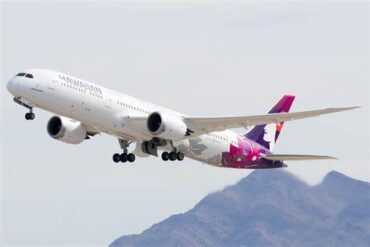
While a shift to long-haul might seem antithetical to Southwest’s business model, the Boeing 787 Dreamliner offers a uniquely compatible platform for the airline’s potential evolution. The 787 is already the aircraft of choice for numerous low-cost long-haul carriers including Scoot (Singapore), Jetstar (Australia), and Zipair (Japan), all of whom operate the aircraft profitably on international routes with relatively thin margins.
Operational Synergies:
Southwest’s exclusive relationship with Boeing provides clear advantages. From pilot training to maintenance protocols and supplier contracts, everything is already aligned with Boeing systems. This reduces the cost and complexity of onboarding a new widebody type like the 787. The airline’s long-standing loyalty may even earn it significant discounts or favorable delivery slots, especially as Boeing looks to rebound from recent production and safety crises.
Fleet Compatibility:
- 787-8: Ideal for thinner, exploratory international routes. Capacity around 242 passengers.
- 787-9: Better range and more seats (296), suited for more mature markets.
- 787-10: Optimized for high-density, short-to-mid-range international sectors. Up to 336 seats.
Given its cost-conscious ethos, Southwest might first adopt the 787-8 through used aircraft already entering the secondary market, before scaling up based on market performance.
Strategic Hurdles and Competitive Landscape
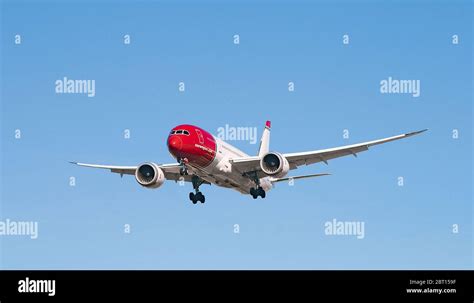
Despite its promise, a transition to widebody international flying is not without precedent—and risk. Many low-cost carriers have faltered in long-haul ventures. Norwegian Air Shuttle, one of the most cited cautionary tales, saw its ambitious transatlantic plans unravel under the weight of high fuel prices, inconsistent aircraft deliveries, and operational disruptions.
However, WestJet in Canada offers a counterexample of a low-cost carrier successfully transitioning to long-haul via the Boeing 787. If Southwest enters the fray, it would be wise to emulate WestJet’s measured approach—starting small, leveraging connectivity, and selecting high-demand origin-destination (O&D) markets that can sustain year-round traffic.
Would Southwest Really Consider Airbus?
A lively debate exists within aviation forums and among analysts about whether Southwest would break with Boeing to explore Airbus alternatives like the A330neo or A350. Several compelling arguments support this line of thinking:
- Lower Acquisition Cost: Second-hand A330-200s and -300s are widely available and relatively inexpensive.
- Quick Entry into Service: Pre-owned A330s could be acquired and operational much faster than new 787 deliveries.
- Fleet Upgrade Flexibility: A330neo (-800 and -900 variants) offer respectable range and operating economics, and Airbus would likely offer deep discounts to break into Southwest’s fleet.
Still, Southwest’s deeply entrenched Boeing training ecosystem, culture, and supply chain make this shift unlikely unless Boeing fails to meet delivery expectations or suffers further reputational damage.
The Boeing 737 MAX Factor: Trust and Caution
It’s impossible to consider this decision in a vacuum. Southwest’s recent history with the Boeing 737 MAX grounding casts a long shadow. The airline was among the hardest hit during the global grounding, losing revenue and brand trust due to forced schedule reductions. Even now, issues around 737 MAX production quality and FAA oversight remain under scrutiny.

As such, Southwest may be understandably cautious in expanding its reliance on Boeing. A single widebody fleet, prone to delivery delays or production defects, could jeopardize international ambitions before they take flight. These concerns make diversification an attractive—but politically and operationally complex—option.
Market Entry: Where Would Southwest Fly the 787?
If Southwest decides to acquire 787s, where could it realistically deploy them? Likely early-stage markets include:
- Baltimore (BWI) to Reykjavík (KEF) – leveraging Icelandair’s hub and transatlantic feed.
- Nashville (BNA) or Denver (DEN) to Western Europe – cities like Dublin, London-Gatwick, or Amsterdam.
- Chicago (MDW) to Panama City (PTY) – targeting growing Central/South American demand.
A strong possibility exists that Southwest would replicate its successful U.S. model: point-to-point flying at high frequency with low fares and high aircraft utilization. If executed well, this could disrupt legacy carriers in transatlantic markets, especially where leisure travel dominates and business-class competition is weak.
Customer Experience: Can Southwest Scale Up?
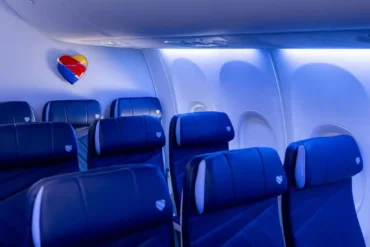
One of the biggest wild cards in a Southwest long-haul strategy is product differentiation. The airline is famously spartan—no assigned seating, no premium cabins, and free snacks over meals. Would such an approach translate to 7-10 hour international flights? Possibly, if fares are competitive enough.
Alternatives might include:
- Introducing a premium economy cabin for long-haul comfort.
- Offering bundled fares that include meals, seat assignments, and baggage.
- Partnering with foreign carriers to provide interline or codeshare connections.
Scaling up cabin services and ground handling for international operations also means navigating customs, immigration, and airport slot complexities—not trivial undertakings for an airline built on domestic efficiency.
Conclusion: 787 Is the Right Aircraft, But the Strategy Must Be Right
In all likelihood, the Boeing 787 offers Southwest Airlines the best combination of fleet continuity, operational efficiency, and market flexibility to pursue a long-haul strategy. While other aircraft might offer cost advantages or faster availability, the logistical harmony between the 737 and 787 fleets is a massive advantage. Plus, the aircraft’s performance on thin, long-haul routes has already been proven by several successful low-cost carriers.
Yet the aircraft alone is not enough. Southwest must proceed with calculated ambition, choosing profitable markets, scalable infrastructure, and sustainable product enhancements. If it can do that—and if Boeing delivers on safety and reliability—the 787 could become a transformational chapter in Southwest’s growth story.
Whether to Reykjavík or Rome, the world may soon be within reach of a Southwest boarding pass.