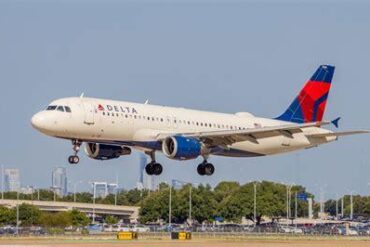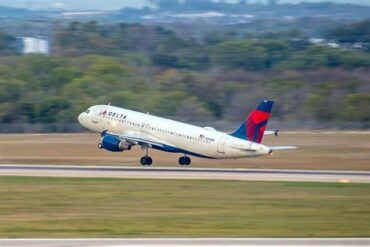
In a significant shift that marks a new chapter for air travel in Central Texas, Delta Air Lines has officially surpassed American Airlines to become the second-largest carrier at Austin-Bergstrom International Airport (AUS). This change, recorded in April 2025, is the result of aggressive network expansion and strategic route development by Delta, as shown in AUS’s monthly passenger data.
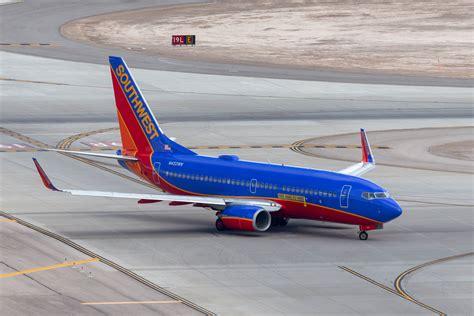
April saw Delta transport 302,647 passengers in and out of Austin, compared to 298,579 by American. While the margin appears narrow, it represents a monumental achievement for Delta, particularly considering American’s long-standing dominance as the airport’s number two airline. Southwest Airlines, with more than 735,000 passengers in April, maintains a firm grip on the top spot by a wide margin.
Delta’s Strategic Climb Amid Changing Skies
The ascendancy of Delta to the number two position didn’t happen overnight. It followed months of calculated growth, route optimization, and investment in Austin’s fast-growing air travel market. The airport spokesperson confirmed that while Delta’s historical monthly passenger data before 2019 isn’t officially available, this is “likely” the first time in AUS’s history that Delta has outpaced American in monthly traffic.
Delta’s climb is particularly striking considering the airline’s second-tier status in Austin for most of the 2020s. During 2021, 2022, and even into 2023, American’s monthly passenger totals consistently dwarfed Delta’s—sometimes by more than double. Even during the COVID-19 pandemic, when travel dipped dramatically, American continued to lead Delta significantly in passenger counts.
Expansion Fueled by New Routes and Retaking Dropped Destinations
One of the key catalysts behind Delta’s surge has been its bold and sustained route expansion strategy. Since early 2023, Delta has launched or announced 16 new nonstop routes from Austin, including high-demand destinations such as Las Vegas, New Orleans, Orlando, Tampa, and Nashville. Three of these are scheduled to begin service later in 2025. Only one route, to Harlingen, has been canceled since its launch—suggesting a robust and well-targeted network growth.
In contrast, American has struggled to maintain its presence. The airline has launched only six new routes since 2023—all of which have since been canceled. More strikingly, American has discontinued a staggering 35 nonstop routes from AUS during the same period. This includes routes to key international destinations such as the Bahamas, Costa Rica, Dominican Republic, Jamaica, and Mexico. The withdrawal from these markets has left a vacuum that Delta has been quick to fill.
Many of Delta’s newly launched routes align precisely with those abandoned by American, suggesting a strategic move to absorb existing demand. Routes to Indianapolis, Jacksonville, Memphis, Palm Springs, and Panama City were all former American destinations that have now been taken over by Delta.
A Broader Industry Shift in the Austin Market
This shift is emblematic of broader trends in the Austin aviation market, which has rapidly matured into a key domestic and international hub. In the first four months of 2025, Delta flew more than 1 million passengers, capturing 16.1% of AUS’s total passenger share. American, despite its earlier dominance, carried just over 1.1 million, equating to 17.4%. The gap has narrowed so significantly that, should current trends continue, Delta could claim a consistent second-place position by year-end.
At the top of the leaderboard remains Southwest Airlines, which has entrenched itself as Austin’s flagship carrier. With over 2.6 million passengers in the same four-month period, Southwest accounts for 41.6% of all travelers at AUS, nearly double the combined share of American and Delta. While the Southwest lead is unlikely to be challenged in the near term, the ongoing duel between Delta and American injects a new layer of dynamism into Austin’s aviation scene.
The Competitive Fallout for American Airlines
The implications for American Airlines are notable. Once seen as an entrenched power player in the Austin market, American is now facing a crossroads. Its decision to scale back routes—particularly international flights—has not only weakened its market share but has eroded its brand presence in one of the nation’s fastest-growing metropolitan regions.
The cancellation of routes to major Caribbean and Latin American destinations suggests either shifting priorities or resource reallocation elsewhere in American’s network. However, this retrenchment comes at a cost. With Delta stepping in to reclaim routes and passenger loyalty, American must either recalibrate its AUS strategy or risk being overshadowed permanently.

Delta, by contrast, appears committed to deepening its ties with Austin. The airline’s aggressive growth—paired with more consistent retention of routes—signals a long-term investment in the city as a critical node in its national network. Whether through better aircraft utilization, pricing strategies, or simply meeting unmet demand, Delta has positioned itself as the airline of momentum in Austin.
Looking Ahead: What This Means for Passengers and the Market
For passengers, this new dynamic brings both opportunities and questions. On the one hand, Delta’s rise introduces greater route diversity, more flight frequency, and potentially more competitive pricing on popular routes. Travelers benefit from increased access to domestic leisure hubs and major business markets alike.
However, the reduction in American’s offerings, particularly on international routes, could mean fewer options for those looking to travel abroad directly from Austin. This gap might be filled by other carriers or through connecting itineraries, but the convenience loss is tangible.
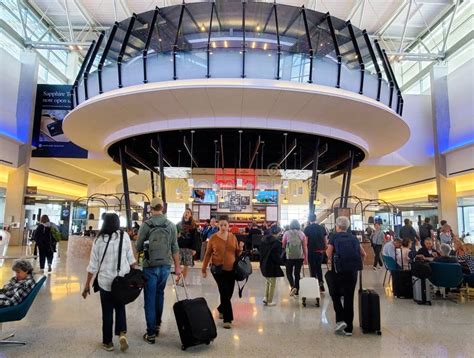
For the airport itself, these shifts demand a strategic response. Terminal space, gate allocations, and airport services must be continuously adjusted to reflect changes in airline traffic. With Delta now operating its busiest-ever schedule from AUS, infrastructure and staffing must keep pace to support future growth without compromising service quality.
Moreover, Delta’s growth could inspire other carriers to increase their Austin presence. Airlines like United or JetBlue may see the market potential and respond by adding new routes or investing in terminal upgrades. The heightened competition can, in turn, fuel a new era of innovation and service expansion at AUS.
Conclusion: A New Power Balance in Austin’s Skies
Delta’s recent overtaking of American Airlines at Austin-Bergstrom International Airport marks more than a statistical milestone—it’s a clear realignment of competitive dynamics in one of America’s fastest-growing aviation markets. While Southwest remains dominant, Delta’s rise reflects a well-executed growth strategy, backed by intelligent route planning and responsiveness to local travel demand.
As Austin continues its trajectory as a major travel and economic hub, the battle for market share at AUS will intensify. Whether American will mount a comeback or cede further ground remains to be seen. But for now, Delta holds the edge, reshaping Austin’s air travel landscape in ways that promise to benefit passengers, stimulate economic growth, and usher in a new era for AUS.