Delta Air Lines has taken a bold step to elevate its winter offerings by launching 13 new and returning international nonstop routes, strategically targeting high-demand destinations across the Caribbean, Mexico, and Central America. This aggressive expansion—unveiled in time for Christmas getaways—reflects Delta’s commitment to reconnecting with pre-pandemic markets and tapping into previously unserved routes. The additions underscore Delta’s broader strategy of strengthening its international short-haul network and fortifying key US hubs.
Strategic Timing: Launching Ahead of the Holiday Rush
The timing couldn’t be more deliberate. Airlines typically scale back operations on Christmas Day, but Delta’s expanded international portfolio bucks the trend. According to OAG scheduling data, Delta’s international flights on December 25 soared by 14% compared to the previous Thursday, with short-haul non-US services experiencing a remarkable 26% increase. This strategic surge is a clear response to growing traveler appetite for sun-soaked holiday escapes amid winter’s chill.
A Closer Look at the 13 Routes
The new and returning routes span major US cities and leisure hotspots. While nine of the 13 routes have been part of Delta’s network in the past—many of which were suspended during the 2020 COVID-19 pandemic—four routes debut for the first time, unlocking fresh opportunities for Delta and its passengers alike.
Among the notable launches:
- Atlanta to St. Vincent: A historic first for both Delta and the island.
- Detroit to Liberia (Costa Rica): Revives a route last flown in 2002 under Northwest.
- Austin to Los Cabos & Cancun: Marks Delta’s first sustained international service from Austin.
- Raleigh/Durham to San Juan: Broadens Caribbean connectivity from North Carolina.
The full lineup, launched on December 20, 2025, includes key leisure destinations such as Grenada, Grand Cayman, St. Thomas, Nassau, and Cancun, with frequencies ranging from weekly to daily, depending on demand projections.
Atlanta–St. Vincent: A Bold Move into Untapped Territory
Among all additions, Atlanta to St. Vincent stands out as the most ambitious. At 1,766 nautical miles, it is now Delta’s third-longest Caribbean route from Atlanta, following Barbados and Grenada. This marks Delta’s first-ever flight to St. Vincent, and remarkably, the first scheduled nonstop service between these two points by any airline.
Booking data reveals that fewer than 3,000 passengers traveled between Atlanta and St. Vincent in the 12 months leading up to October 2025, making it the seventh-largest unserved Caribbean market from Atlanta. Despite the small origin-destination demand, Delta has chosen to operate this route daily, at least through April 12, before dropping to a weekly service. The airline is clearly betting on connecting traffic from across its sprawling domestic network to justify the frequency.
Austin Joins the International Map
Delta’s decision to inaugurate regular international flights from Austin marks a significant milestone. Previously underserved by the airline in terms of global connectivity, Austin now enjoys daily flights to both Cancun and Los Cabos, expanding the leisure portfolio for one of the fastest-growing tech hubs in the US.
Though the Los Cabos service is operated via an Embraer 175 regional jet by SkyWest, the move places Delta in direct competition with established players like American Airlines and Southwest, who already maintain multiple weekly frequencies on the same route. The addition of Delta’s branding and SkyTeam loyalty benefits could tip the scales for frequent flyers based in the Texas capital.
A Mix of Aircraft Types Reflecting Market Demand
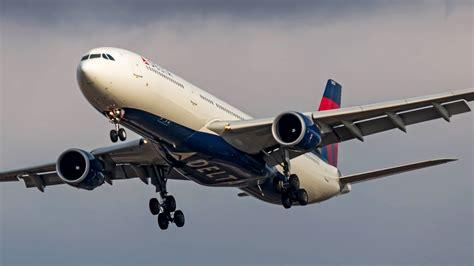
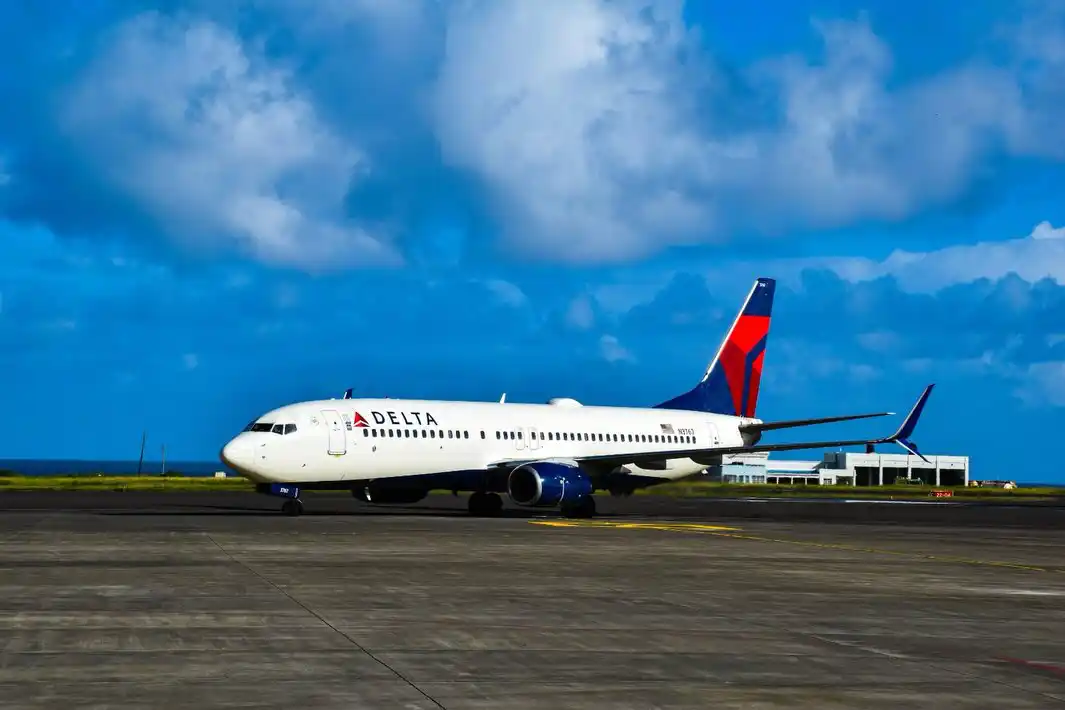
Delta is deploying a wide variety of aircraft to suit the scale and demand of each new route. While some markets—such as Boston to St. Thomas and Minneapolis to Nassau—warrant larger aircraft like the 757-200 and A321, others are being served by the 737-800, 737-900ER, and A320.
The choice of aircraft reflects not only the anticipated passenger load, but also the runway and infrastructure capabilities at destination airports. Importantly, this also gives Delta the flexibility to fine-tune its fleet deployment as demand trends evolve post-launch.
Nostalgic Returns: Reconnecting Pre-Pandemic Favorites
Several routes are nostalgic reboots of once-popular services that were halted due to COVID-19 restrictions and the resulting travel downturn. These include:
- Atlanta to Grenada (last flown in 2020)
- Boston to St. Thomas (suspended in 2022)
- Indianapolis, Kansas City, and Nashville to Cancun (all last seen in 2020)
- New York JFK to Grand Cayman (last operated in 2016)
By restoring these routes, Delta is not only recapturing dormant demand but also signaling that international leisure markets have made a strong recovery, particularly in the post-vaccine era of travel resurgence.
Competitive Dynamics and Market Implications
Delta’s move into unserved and underserved international routes is likely to reshape the competitive landscape, especially in cities like Austin, Detroit, and Raleigh/Durham. In markets where it already competes with American, JetBlue, or Southwest, the added capacity could lead to fare rationalization, improved schedules, and enhanced traveler choice.
Conversely, on routes where Delta now offers exclusive service, such as Atlanta–St. Vincent, it gains first-mover advantage—a critical edge in establishing customer loyalty and brand presence. That said, the success of these routes will depend on both point-to-point demand and connectivity synergies within Delta’s broader hub-and-spoke network.
What This Means for Travelers
For passengers, the implications are significant. Delta’s winter ramp-up offers:
- More direct routes, reducing the need for time-consuming connections.
- Flexible options for holiday travel with a mix of daily and weekly services.
- A wider selection of aircraft, from spacious A321s to nimble E175s.
- Loyalty perks through SkyTeam on new routes where alliances may matter.
This added connectivity means easier access to warm-weather destinations from major inland US cities—many of which previously lacked international nonstop options.
Looking Ahead: Will These Routes Stick?
While all routes have been confirmed for the winter 2025/2026 season, Delta’s long-term commitment will hinge on load factors, revenue performance, and competitive response. The airline has scheduled some routes as seasonal, like Atlanta–St. Vincent, which transitions to weekly service after April. Others may see adjustments based on market demand or strategic priorities.
Still, the sheer scale and timing of this rollout suggest that Delta is bullish on international leisure travel, and ready to seize opportunities that align with shifting consumer patterns and global reopening trends.
Conclusion
Delta’s launch of 13 international nonstop routes is a powerful indicator of both post-pandemic confidence and strategic agility. With a thoughtful blend of returning favorites and daring firsts, the airline is redefining winter travel for its customers. Whether it’s a secluded beach in St. Vincent or a familiar escape in Cancun, travelers now have more direct options than ever—cementing Delta’s role as a leading force in the evolving landscape of international air travel.