The Transformation of Modern Warfare
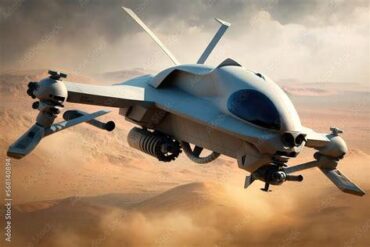
Drone warfare has redefined the battlefield. Once the domain of elite air forces and intelligence agencies, unmanned systems have proliferated across global conflict zones, reshaping everything from tactical strikes to strategic operations. Unlike traditional combat, drone warfare minimizes risk to human operators, enabling precision strikes deep within hostile territories—all while being piloted from thousands of miles away. The evolution of this technology is not just a technological advancement but a fundamental shift in the conduct of war.
From Unmanned Combat Aerial Vehicles (UCAVs) to weaponized commercial drones, states and non-state actors alike have embraced the autonomy, affordability, and stealth these machines provide. The line between military-grade equipment and accessible civilian tech is blurring rapidly, with quadcopters and consumer drones now being retrofitted for explosive payloads, reconnaissance missions, and targeted assassinations.
Historical Use and Global Expansion
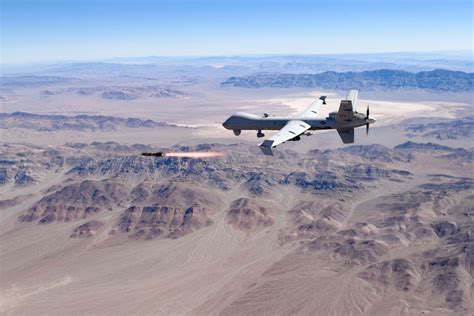
In the early 21st century, the United States led the charge in drone warfare, deploying Predator and Reaper drones across Afghanistan, Pakistan, Somalia, Yemen, and Libya. These operations focused on decapitating terrorist networks through air-to-surface missile strikes, reportedly killing between 2,000–3,500 militants and hundreds of civilians. The use of drones under U.S. Presidents George W. Bush, Barack Obama, Donald Trump, and Joe Biden varied drastically, peaking under Trump with over a 400% increase in strikes, before Biden scaled back the operations.
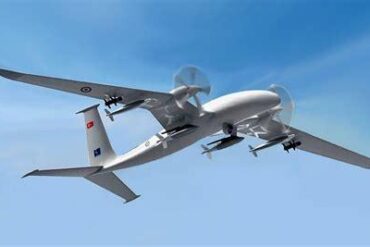
Israel, the United Kingdom, China, and Turkey have since joined the fray with their indigenous drone programs. Turkish Bayraktar TB2s proved pivotal in the 2020 Nagorno-Karabakh conflict, where Azerbaijan used drones to devastating effect against Armenian forces. In response to international backlash, Canada halted exports of drone optics, prompting Turkish firm Aselsan to develop the indigenous CATS camera system.
Ukraine and Russia: The Drone War Era Begins
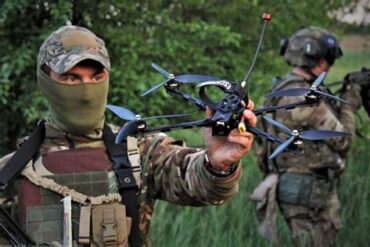
The 2022 Russian invasion of Ukraine elevated drone warfare to new heights. Both sides deployed a broad range of UAVs—from reconnaissance drones like DJI Mavics to loitering munitions like Shahed-136 and Lancet drones. Ukrainian forces utilized Bayraktar TB2s and FPV drones in kamikaze-style attacks, while Russia introduced swarm strikes using Shahed drones, with the largest wave recorded on 25 November 2024, involving 188 UAVs.
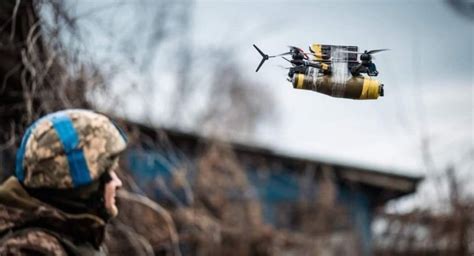
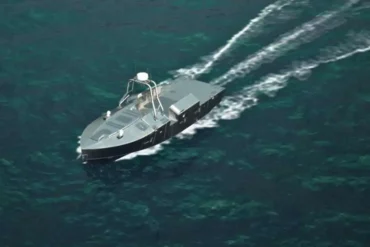
In one of the most iconic events, a Russian conscript surrendered to a Ukrainian drone, symbolizing the psychological impact these machines exert on enemy troops. Ukraine also pioneered the use of black naval drones powered by Starlink, targeting Russian ships in Sevastopol, and deployed cardboard drones with GoPro cameras for cost-effective surveillance missions. These developments highlight a war where ingenuity often trumps firepower.
The Multipurpose Role of Drones on the Battlefield
The effectiveness of drone warfare lies in its versatility. Beyond delivering munitions, drones support missions such as:
- Intelligence gathering and surveillance, with high-resolution imaging.
- Electronic warfare, jamming communications and disabling systems.
- Explosive ordnance disposal, safely neutralizing landmines or IEDs.
- Battlefield logistics, with heavy-lift UAVs transporting supplies.
- Direct kinetic strikes, through both guided missiles and explosive payloads.
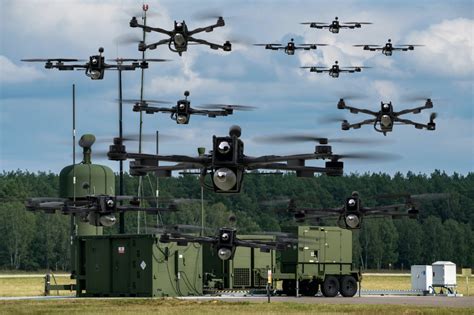
Larger drones often act as command-and-control centers or signal relays, while smaller drones operate in swarms, confusing enemy defenses and maximizing impact.
Non-State Actors and the Democratization of Aerial Power
The proliferation of commercial drone technology has made it possible for non-state actors to enter the domain of aerial warfare. The Islamic State in Iraq and Syria deployed quadcopters armed with grenades, destroying ammunition depots and ambushing ground forces. During the Battle of Mosul, IS drones posed a persistent threat to U.S. and Iraqi troops.
In Mexico, drug cartels now weaponize drones to drop bombs on rival gangs and law enforcement. In October 2023, Hamas used consumer drones to bomb Israeli guard towers and breach the southern border, contributing to significant battlefield advances. Iran followed suit in April 2024 by launching over 170 drones at Israel during Operation True Promise, most of which were intercepted but nevertheless highlighted Iran’s drone capabilities.
The Challenges of Counter-Drone Technology
As drones grow cheaper and smarter, defending against them has become a global priority. Counter-drone systems vary widely, including:
- Electronic jamming and hijacking tools that interrupt communications.
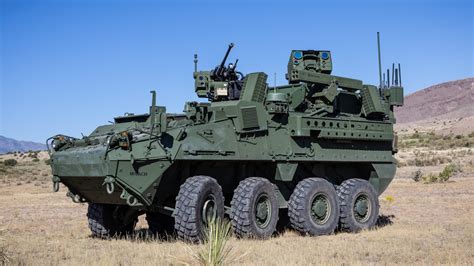
- Directed-energy weapons (lasers) that disable drones mid-flight.
- Kinetic interceptors, such as bullets or missile systems.
- Aerial netting launched by anti-drone drones.
- Biological interceptors, like trained eagles used by Dutch and French forces.
Despite these measures, small UAVs remain exceptionally hard to counter due to their size, speed, and ability to fly at low altitudes. Russian systems like the Stupor anti-drone rifle and Ukraine’s tethered fiber-optic drones offer novel solutions, but the cat-and-mouse game continues to evolve.
Ethical Dilemmas and Collateral Damage
Despite their precision, drone strikes raise significant ethical questions. Civilian casualties, though often lower than traditional bombing campaigns, still occur with disturbing frequency. The 2021 Kabul drone strike, intended to prevent a suicide bombing, killed 10 civilians including seven children. The incident sparked international condemnation and reignited debates on drone accountability.
Moreover, the extraterritorial nature of drone warfare challenges sovereignty norms. Drones often strike targets in countries with which no formal war has been declared, raising questions about the legality of such operations. Critics argue that this sets a dangerous precedent for extrajudicial killings.
The Future of Drone Warfare: AI, Autonomy, and Global Arms Races
The next phase of drone warfare is already here. The 2020 incident in Libya, where a Turkish AI-powered drone attacked targets without direct human command, signaled the arrival of autonomous lethal weapons systems. As artificial intelligence improves, drones will increasingly make life-or-death decisions without human input.
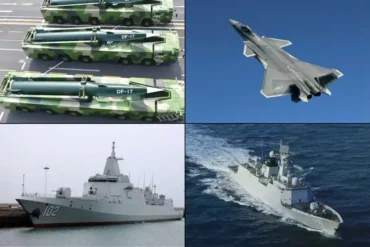
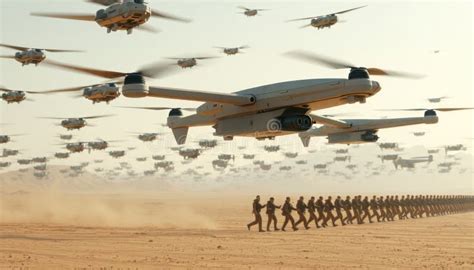
Military doctrines are shifting to account for fully autonomous drone swarms, capable of independent navigation, target selection, and coordinated attacks. The U.S., China, and Russia are investing heavily in drone motherships, from which dozens of autonomous drones can be deployed simultaneously.
At the same time, emerging technologies like hypersonic UAVs, biometric surveillance drones, and nanodrones promise unprecedented operational advantages. However, the global arms race in drone warfare is heightening fears of instability, especially in volatile regions.
Conclusion: The Ubiquity of the Unseen Eye
Drone warfare represents more than a military innovation—it symbolizes the shift toward asymmetric, remote-controlled, and precision-centric conflict. From the skies over Mosul and Marib to the fields of Donetsk and the waters off Sevastopol, drones have become the ubiquitous eyes and fists of 21st-century warfare.
The global spread of drone technology is democratizing military power in ways previously unimaginable. While their strategic utility is undeniable, drones also pose grave challenges to legal norms, ethical standards, and the balance of international power. As the world steps further into the age of algorithmic warfare, it must confront the blurry frontier between autonomy and accountability, precision and collateral, and security and perpetual surveillance.