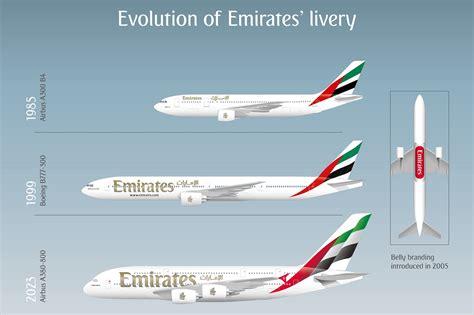
How Many Airbus A380s Does Emirates Have in Its Fleet in 2026?
The short answer is precise, but the story behind it is anything but simple. In 2026, Emirates operates one of the largest and most consequential Airbus A380 fleets ever assembled, a fleet that continues to shape the airline’s identity, economics, and global reach long after the aircraft ceased production. Understanding the number alone is useful. Understanding why that number matters is where the real insight lives.
The Airbus A380 was never meant to be a subtle airplane. It is enormous, unmistakable, and unapologetically ambitious. When it entered service, it promised a future defined by mega-hubs and mega-jets. Many airlines flirted with that future. Emirates built its empire around it. By 2026, that bet still defines the carrier in ways no other aircraft does.
The fascination with Emirates’ A380 fleet is not nostalgia-driven. This is not a museum piece rolling across the tarmac. In 2026, the A380 remains a working asset, flying full schedules, generating premium revenue, and anchoring the airline’s most important routes. That makes the question of fleet size far more than trivia. It is a snapshot of how Emirates sees the future of long-haul aviation.
To understand how many Airbus A380s Emirates has in 2026, and what that number really represents, it helps to step back and look at the aircraft, the network it serves, and the strategy that keeps it airborne.
The Airbus A380: Built for a Very Specific Vision of Air Travel
The Airbus A380 was designed for a world in which airports, not airplanes, were the limiting factor. Slot constraints, runway congestion, and booming intercontinental demand pushed manufacturers toward scale rather than frequency. The solution was simple in theory and radical in execution: build a plane so large that adding capacity no longer required adding flights.
When the A380 entered passenger service in 2007, it immediately distinguished itself. Passengers noticed the quiet cabin, the smooth ride, and the sense of space that no other commercial aircraft could replicate. Airlines noticed something else entirely: unprecedented cabin volume. Two full decks allowed for layouts that were previously impossible, particularly at the premium end of the market.
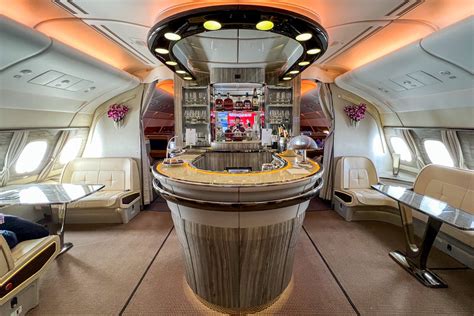
This was not just about seat count. It was about real estate. Wide aisles, expansive galleys, lounges, bars, and even shower suites became feasible. For airlines capable of monetizing premium experiences, the A380 was less a transport tool and more a flying hospitality platform.
That platform, however, came with trade-offs. Four engines, complex systems, and high maintenance costs meant the A380 demanded careful deployment. Only airlines with dense long-haul routes, strong premium demand, and slot-constrained hubs could make the economics work. Most carriers eventually walked away. One doubled down.
Emirates and the Geography of Advantage
Emirates’ success with the A380 is inseparable from its geography. Dubai sits at the crossroads of Europe, Asia, Africa, and the Americas, making it uniquely suited for one-stop global travel. From a single hub at Dubai International Airport, Emirates consolidates demand from dozens of cities and redistributes it across continents.
This hub-and-spoke model thrives on scale. The more passengers flow through the hub, the more viable large aircraft become. The A380 fits this model with almost suspicious perfection. It allows Emirates to move massive volumes of passengers while preserving frequency and connectivity, a balance that is essential for high-yield travelers.
Premium traffic is the quiet engine behind this system. Emirates’ business and first-class cabins generate disproportionate revenue, and protecting that yield is non-negotiable. The A380’s upper deck, with its design flexibility, allows Emirates to showcase premium products that reinforce its brand and justify higher fares.
By the mid-2010s, the A380 was no longer just part of Emirates’ fleet. It was the fleet’s emotional and commercial centerpiece.
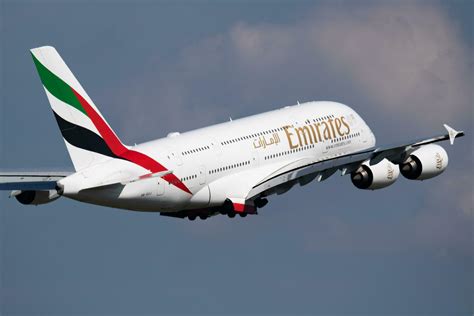
Why the A380 Still Matters to Emirates in 2026
By 2026, the aviation industry has largely pivoted toward twin-engine efficiency. Aircraft like the A350 and 787 dominate new deliveries, promising lower fuel burn and greater route flexibility. On paper, the A380 looks like an artifact from another era. In practice, it continues to solve a very modern problem for Emirates.
Slot constraints have not disappeared. Airports like London Heathrow, New York JFK, and Sydney remain brutally competitive. Adding a new frequency is often impossible, regardless of demand. In these markets, the A380’s capacity becomes a strategic advantage rather than a liability.
Equally important is brand signaling. The A380 functions as a flying billboard. Passengers recognize it instantly. The onboard lounge, the shower spa, the sheer spectacle of boarding a double-deck aircraft all reinforce Emirates’ positioning as a premium global carrier. That perception influences booking behavior, especially in competitive long-haul markets.
In 2026, Emirates operates hundreds of A380 flights every week. This is not ceremonial usage. It is high-intensity, revenue-driven deployment across dozens of routes. The aircraft remains deeply embedded in the airline’s commercial logic.
How Many Airbus A380s Emirates Has in 2026: The Exact Numbers
As of 2026, Emirates has 116 Airbus A380s in its fleet, making it by far the largest operator of the type in the world. This figure reflects a deliberate balance between legacy commitment and operational pragmatism.
Emirates originally took delivery of 123 Airbus A380s, including the final aircraft ever produced, delivered in December 2021. Over time, the airline retired a small number of early-build airframes, primarily due to efficiency considerations and maintenance economics.
By the end of 2025, the fleet stabilized at 116 aircraft. In 2026, Emirates CEO Tim Clark indicated that the airline expects to maintain around 110 operational A380s, accounting for scheduled maintenance, heavy checks, and long-term storage cycles.
At any given moment, approximately 98 Airbus A380s are actively flying, while the remaining aircraft are parked in Dubai undergoing maintenance or held as operational reserves. This cadence reflects the complexity of maintaining the world’s largest passenger aircraft at scale.
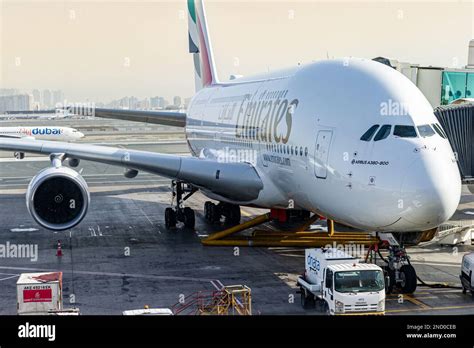
Emirates as the Defining Customer of the Airbus A380
Although Singapore Airlines was the A380’s launch customer, Emirates became its defining one. No other airline integrated the aircraft so deeply into its identity, network planning, and brand strategy.
Emirates’ early commitment influenced everything from production scale to interior innovation. The airline pushed Airbus to think bigger about cabin possibilities, particularly for premium travelers. The result was a feedback loop in which the aircraft evolved alongside the airline’s ambitions.
The retirement of the very first Emirates A380, A6-EDA, symbolized the maturity of this relationship. The aircraft had done its job. The fleet that followed was more refined, more efficient, and better aligned with Emirates’ long-term goals.
In 2026, that relationship continues, even as the rest of the industry moves on.
A380 Cabin Configurations: One Aircraft, Multiple Personalities
One of the most misunderstood aspects of the Emirates A380 fleet is the diversity within it. The A380 is not a single product. It is a platform with multiple personalities, tailored to specific markets and demand profiles.
The classic Emirates configuration is a three-class, 489-seat layout, featuring First Class suites, a large Business Class cabin, and a high-density Economy section. This setup maximizes premium capacity on slot-constrained trunk routes where yield matters more than raw volume.
The newer flagship configuration introduces Premium Economy in a four-class, 484-seat layout. This cabin reflects Emirates’ belief in a growing middle market of travelers willing to pay for comfort without committing to business class pricing. On the A380, Premium Economy slots neatly between luxury and efficiency.
There is also a high-capacity outlier: a two-class, 615-seat configuration designed for demand-heavy leisure routes. By removing First Class entirely, Emirates turns the A380 into a pure volume machine, ideal for markets where price sensitivity outweighs premium demand.
This flexibility allows Emirates to deploy the same aircraft type across radically different commercial contexts, something few widebody jets can replicate at this scale.
Maintenance, Complexity, and the Cost of Scale
Operating 116 Airbus A380s is not a casual undertaking. The aircraft’s size and complexity demand specialized infrastructure, trained personnel, and meticulous planning. Emirates performs line maintenance and heavy checks at its Dubai hub, a logistical feat in itself.
The airline’s ability to centralize operations through one hub is critical here. Simplified routing, consistent utilization patterns, and standardized procedures reduce the friction that would cripple more fragmented networks.
This operational simplicity is the hidden enabler of the A380’s continued viability at Emirates. Without it, the costs would quickly outweigh the benefits.
The Strategic Bottom Line for 2026
In 2026, the Airbus A380 remains a cornerstone of Emirates’ strategy, not out of sentimentality, but because it still works. The airline’s network structure, premium-heavy revenue mix, and slot-constrained markets align perfectly with the aircraft’s strengths.
Emirates operates 116 Airbus A380s in 2026, with approximately 110 expected to remain operational through the year. That number represents more than fleet data. It represents a philosophy of scale, confidence in premium travel, and a refusal to abandon an asset that continues to deliver.
For Emirates, the A380 is not a relic. It is a living instrument of strategy. And in a global aviation landscape increasingly obsessed with efficiency alone, that commitment remains both rare and revealing.