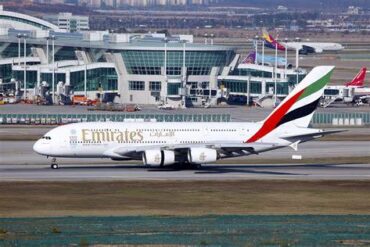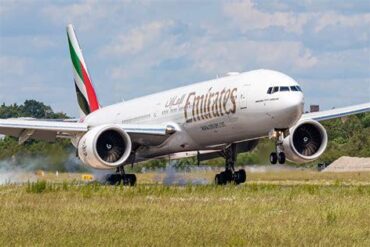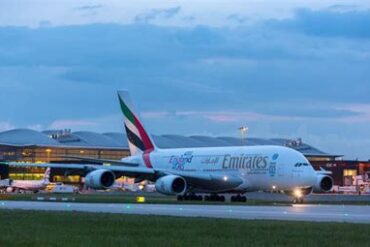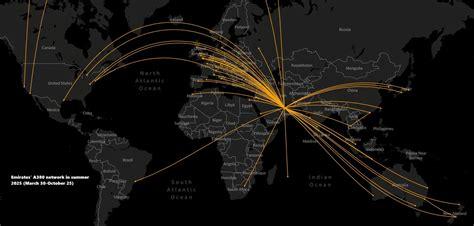
The Airbus A380, the world’s largest passenger aircraft, remains an enduring symbol of global aviation excellence, and in July 2025, its presence across Europe’s skies has surged dramatically. With over 1,800 scheduled flights this month alone, the double-decker titan is proving indispensable for airlines servicing high-traffic routes. Spearheading this resurgence is Emirates, whose unparalleled A380 operations cement its position as the leader in Europe-bound superjumbo traffic.
At the heart of this dominance is Emirates’ flagship route between Dubai (DXB) and London Heathrow (LHR), a service that epitomizes luxury, frequency, and efficiency. With an astonishing 186 scheduled A380 flights this month, Emirates operates six daily departures, all utilizing its state-of-the-art A380 fleet. The airline’s commitment to offering first-class private suites, an onboard bar lounge, and a reputation for impeccable service has made this route one of the most prestigious long-haul connections in the world.
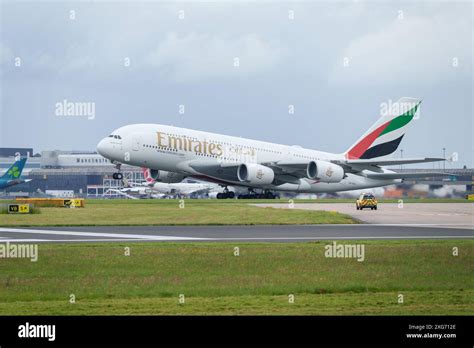
The strategic value of London Heathrow cannot be overstated. As Europe’s busiest airport and a crucial global hub, Heathrow is vital for connecting Europe with the Middle East, Asia, Africa, and beyond. Emirates has leveraged this, offering unmatched capacity and luxury, ensuring that the DXB-LHR route remains the gold standard in A380 operations.
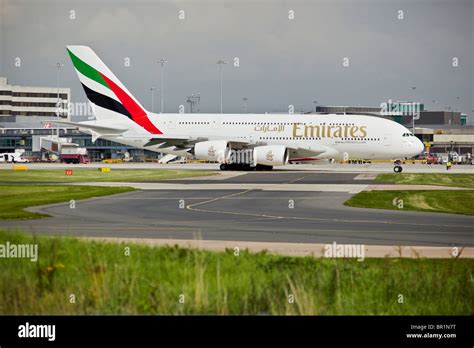
But Emirates’ A380 footprint extends well beyond London. The airline has scheduled an impressive 93 A380 flights each to Paris Charles de Gaulle (CDG) and Manchester (MAN) this month. Interestingly, the Manchester route edges ahead in total seat capacity, offering over 52,000 seats, compared to approximately 48,000 seats on the Paris route. This reveals Emirates’ strategic deployment of higher-capacity A380 variants to Manchester, responding to surging demand in the UK’s northern powerhouse.
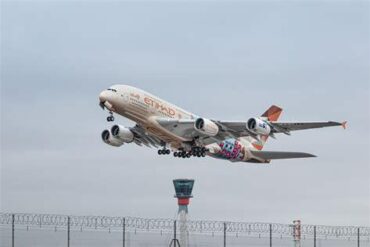
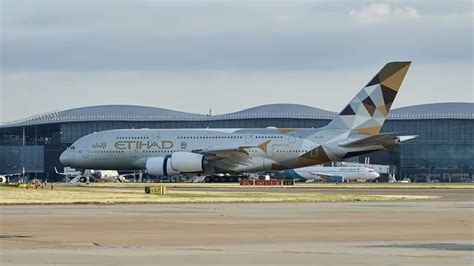
While Emirates leads the pack, the European A380 skies are not solely theirs. Other major carriers are making substantial contributions to this month’s A380 operations. Etihad Airways, for instance, is operating 83 flights from Abu Dhabi (AUH) to London Heathrow, reaffirming the enduring appeal of this high-capacity route for Middle Eastern carriers.
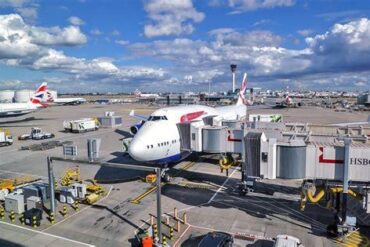
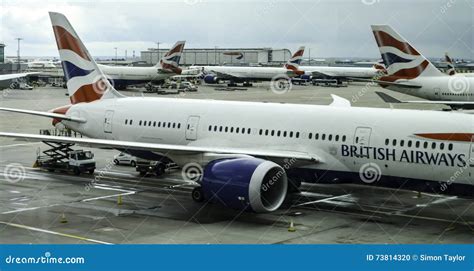
Meanwhile, British Airways continues to bolster its A380 services, most notably on its route between London Heathrow (LHR) and Johannesburg (JNB). With 62 scheduled flights, this route underscores British Airways’ focus on premium long-haul markets where the A380’s vast cabin space and onboard amenities shine.
The significance of Qatar Airways and Singapore Airlines in this space is equally notable. Both airlines are contributing 62 A380 flights each between their respective hubs—Doha (DOH) and Singapore (SIN)—and London Heathrow, demonstrating Heathrow’s central role in global A380 connectivity. These flights cater to a mix of business travelers, tourists, and premium-class passengers, all drawn by the A380’s superior comfort and space.
Beyond these headline routes, several other key European destinations are experiencing a spike in A380 traffic this month. Amsterdam (AMS), Munich (MUC), and Milan Malpensa (MXP) are each set to welcome 62 A380 flights from Emirates during July 2025. This reflects Emirates’ robust European network and its ability to utilize the A380 to meet peak travel demand, particularly during the bustling summer season.
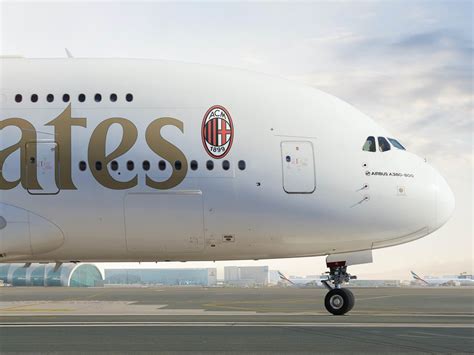
The Airbus A380’s story, however, is not purely about current operations—it also encapsulates one of the most ambitious chapters in aviation history. Initially envisioned to revolutionize air travel with its 850-seat maximum configuration and unprecedented onboard luxury, the A380 program concluded production in 2021 after delivering 251 units, far short of the 750 units originally planned.
Despite production ceasing, the A380 continues to defy expectations. Airlines like Emirates, which boasts the world’s largest A380 fleet with 118 aircraft, have demonstrated the aircraft’s unique role on high-demand, slot-constrained routes. Following Emirates, British Airways operates 12 A380s, while Singapore Airlines maintains a fleet of 10, each maximizing the superjumbo’s potential on lucrative long-haul services.
Other prominent A380 operators include Qantas, Qatar Airways, and Lufthansa, each with 10 A380s, strategically deployed on routes where passenger volumes justify the aircraft’s immense capacity. These airlines have recognized that the A380’s economies of scale, combined with its ability to deliver an elevated onboard experience, still hold commercial viability, especially on routes linking Europe with Asia, Africa, and the Middle East.
The enduring success of the A380 on European routes is testament to its operational value and the passenger preference for comfort, especially in premium classes. Emirates’ onboard experience, for example, remains unparalleled, with its first-class private suites, shower spas, and business-class bar lounge, setting a benchmark for luxury air travel. Meanwhile, other carriers are innovating within the A380 cabin space, introducing next-generation in-flight entertainment, enhanced seating, and improved sustainability measures.
Looking ahead, the A380’s legacy in Europe appears secure, even in the face of newer, more fuel-efficient aircraft models like the Airbus A350 and Boeing 787 Dreamliner. While twin-engine jets have reshaped fleet strategies for many airlines, the sheer demand on flagship routes—particularly during peak travel periods—ensures the A380’s continued relevance.
Industry analysts suggest that the A380 will remain a fixture on European long-haul corridors for the next decade, particularly with operators like Emirates committed to keeping their A380s flying well into the 2030s. The ongoing investments in cabin upgrades and maintenance programs further affirm airlines’ faith in the aircraft’s profitability and passenger appeal.
In conclusion, July 2025 marks a remarkable period for Airbus A380 operations in Europe, with Emirates leading the charge in superjumbo traffic. The enduring allure of spacious cabins, premium onboard experiences, and high-capacity efficiency continues to drive the A380’s presence in Europe’s skies. As passenger numbers rebound and global connectivity strengthens, the A380 remains a cornerstone of long-haul aviation, bridging continents with unrivaled comfort and scale.