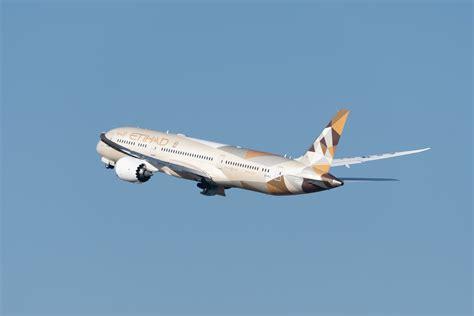
An Etihad Airways Airbus A380 operating from Toronto to Abu Dhabi was forced to return to Toronto Pearson International Airport after an incident involving a distressed passenger escalated mid-flight, prompting a swift and calculated response from the flight crew. The aircraft, which had embarked on a 12-hour journey, made the turnaround approximately two hours after departure, while flying east of Newfoundland and Labrador.
Unfolding of the In-Flight Crisis
The event began as a routine intercontinental flight on the flagship Airbus A380, a double-deck aircraft known for its unmatched luxury, space, and performance. However, what began as a seamless experience turned into a serious mid-air emergency when one of the passengers began exhibiting signs of distress. It was later confirmed that the passenger was undergoing a mental health crisis, which caused a significant disruption onboard.
Flight crew, trained rigorously to handle such in-flight incidents, quickly assessed the potential risks. Although the incident did not pose an immediate threat to flight security — such as interference with cockpit operations or any physical altercations — it warranted an emergency response to ensure the safety and psychological well-being of all 500-plus passengers and crew on the world’s largest passenger aircraft.
The Critical Decision to Divert
Based on the protocols outlined by Transport Canada and international aviation regulations, the pilot-in-command made the decision to divert the flight and return to its origin. The aircraft, which had already covered a significant portion of its transatlantic route, reversed course and coordinated with air traffic controllers to ensure a safe and expedited landing back at Toronto Pearson International Airport.
Upon arrival, the plane was met by local law enforcement, paramedics, and airport response teams, who were alerted during the flight’s diversion phase. The distressed passenger was removed from the aircraft without incident and transported to a nearby medical facility for further evaluation and treatment. Notably, no injuries were reported among the passengers or crew, and the episode was contained effectively without requiring extreme emergency procedures.
Dispelling Speculation and Misinformation
In the aftermath of the diversion, social media channels buzzed with rumors — including unfounded claims that a door had been opened mid-flight. Authorities were quick to clarify that no doors were opened, and the situation was not a hijack or terror-related threat. Instead, officials labeled it a medical emergency involving a mental health situation, necessitating specialized care and support.
The distinction between a security threat and a mental health emergency is critical, especially in an era where the frequency of in-flight disturbances is increasing. The incident also emphasizes the need for responsible reporting and restraint in public speculation until official sources confirm the facts.
Etihad’s Return to Toronto and A380 Prestige
The incident was especially notable because this route was one of the latest to see the reintroduction of the Etihad Airbus A380 — an aircraft renowned for its luxurious onboard amenities, including the “The Residence” suite and first-class apartments. The A380’s reappearance on the Toronto-Abu Dhabi route had been seen as a significant enhancement of service by the Gulf carrier, aimed at meeting growing demand and reestablishing post-pandemic global connectivity.
This unfortunate mid-air emergency, however, cast a temporary shadow over what was otherwise seen as a triumphant return of the superjumbo. Etihad Airways, although not having issued a formal statement at the time of writing, is expected to release findings after internal reviews are completed. Nonetheless, the airline’s procedures and the professionalism of the crew have already drawn commendation for their swift, safe, and composed response.
Mental Health and the Aviation Industry’s Growing Challenge
The incident also places renewed focus on the growing mental health challenges faced by passengers, particularly during long-haul journeys. With air travel increasingly accessible and affordable, the diversity of onboard passengers spans a wide range of mental and emotional states. Stress, fatigue, and undiagnosed psychological conditions can occasionally manifest in mid-flight episodes — situations where cabin crew are often the first responders.
Aviation insiders and mental health experts alike are urging airlines to augment their training programs to include de-escalation tactics, psychological first aid, and real-time access to mental health professionals on the ground. Moreover, pre-boarding assessments and alerts from families or accompanying passengers can be crucial in anticipating such emergencies.
The role of flight attendants is expanding beyond basic hospitality and safety checks. They now act as emergency responders, conflict mediators, and occasionally, mental health caretakers. The necessity for psychological resilience among crew members is becoming just as vital as their technical training.
Transport Canada’s Procedural Framework
Transport Canada, the country’s civil aviation regulatory body, issued a reiteration of the frameworks and regulations governing such events. According to their guidance, the flight crew holds autonomous authority to divert an aircraft when the behavior of a passenger becomes unmanageable or poses a potential safety risk.
The framework prioritizes the safety of all passengers and crew, and encourages immediate response over hesitation. The rules also stipulate that upon arrival, airport emergency services and law enforcement must be present to handle the individual in question. Transport Canada reaffirmed that while such incidents are rare, they must always be treated with urgency and compassion.
Implications for Airline Safety Protocols and Training
While the Etihad A380 incident concluded without escalation or injury, it acts as a wake-up call for all international carriers. With mental health-related disturbances on the rise, airlines must revisit and enhance their in-flight response protocols. The importance of crew situational awareness, empathy-driven communication, and intervention preparedness cannot be overstated.
Additionally, collaboration with global aviation bodies like IATA and ICAO can pave the way for unified procedures that transcend airline-specific policies. As aircraft grow larger and carry more people over longer distances, the likelihood of encountering onboard medical and psychological emergencies increases. Training, therefore, must evolve in tandem with these risks.
Passenger Safety and the Future of Flight Disruption Management
The Etihad flight’s safe return to Toronto is a testament to aviation’s enduring commitment to passenger welfare above all else. Yet it also shines a light on systemic issues that require deeper investigation: How should airlines proactively identify at-risk passengers? Should there be pre-screening protocols for mental health the same way there are for physical safety?
The answers are complex, requiring a balance between civil liberties and collective security. Airlines are being urged to partner with health organizations, develop real-time mental health support frameworks, and create post-incident debriefing processes not only for passengers but also for crew members who undergo extreme stress.
What is clear, however, is that this incident — though resolved without tragedy — represents a growing challenge in the aviation industry. It compels airlines, regulators, and mental health advocates to work hand-in-hand in creating safer skies for all.
Conclusion: A Sobering Reminder for Global Aviation
Etihad Airways’ A380 return to Toronto due to a distressed passenger is more than just a one-off news item; it is a mirror reflecting the increasing complexity of modern air travel. From advanced aircraft systems to elite hospitality offerings, none of it matters if human unpredictability isn’t acknowledged and prepared for.
The professionalism shown by the Etihad crew, the coordinated support from Toronto Pearson authorities, and the humane handling of the distressed passenger collectively show what effective aviation crisis management looks like. But this should not breed complacency. As passenger volumes rebound and flights extend across hemispheres, the need for enhanced in-flight medical and psychological support systems has never been more pressing.
This incident must serve as both a case study and a catalyst — a clear signal that it’s time for airlines to lead not only in service and safety, but in compassion and preparedness as well.