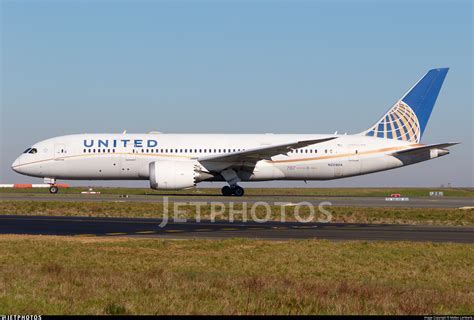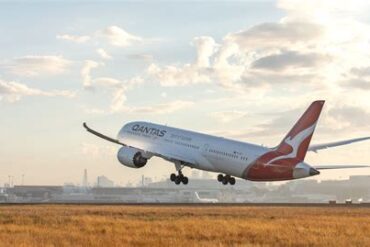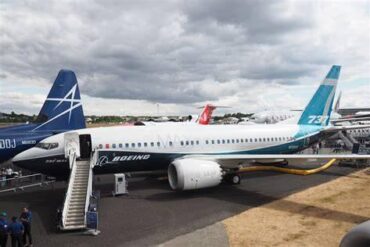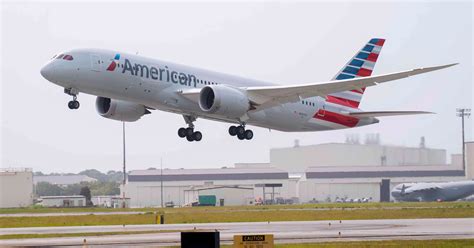
The Boeing 787-8, the smallest sibling in the Dreamliner family, may not turn heads with its size, but it commands attention with its extraordinary reach. Originally designed to open up long-and-thin markets, the 787-8 has emerged as a surprisingly versatile workhorse on some of the longest nonstop routes from the United States. Despite its more compact fuselage compared to the 787-9 and 787-10, it regularly embarks on journeys that rival—and sometimes exceed—the duration of routes typically flown by larger widebodies like the 777. Our analysis, using maximum block time (gate-to-gate duration), dives into the ten longest 787-8 flights from the U.S., capturing the aircraft’s operational resilience and global significance.
Unveiling the 10 Longest Boeing 787-8 Routes from the U.S.
Measured by maximum block time, which includes taxi delays, routing changes, and seasonal wind resistance, these routes expose the full range of missions that the 787-8 is entrusted with. These aren’t merely the longest great-circle distances; they’re the most operationally demanding flights in real-world conditions.
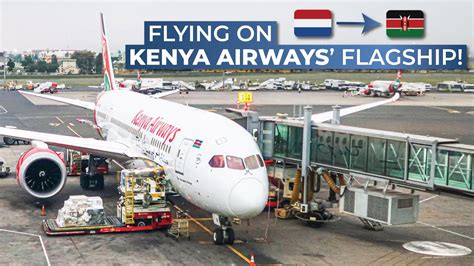
At the top of the list is Kenya Airways’ 15-hour marathon from New York-JFK to Nairobi. Following closely are missions such as ANA’s Washington-Dulles to Tokyo-Haneda and Ethiopian Airlines’ nonstop between Atlanta and Addis Ababa. Each of these flights tells a story of strategic deployment, where the 787-8’s unique blend of endurance and efficiency makes a powerful case for its continued relevance.
The full ranking reads as follows:
- New York (JFK) to Nairobi (NBO) – 15:00 – Kenya Airways
- Washington-Dulles (IAD) to Tokyo-Haneda (HND) – 14:20 – All Nippon Airways (ANA)
- Atlanta (ATL) to Addis Ababa (ADD) – 14:15 – Ethiopian Airlines
- San Francisco (SFO) to Christchurch (CHC) – 14:10 – United Airlines
- Houston (IAH) to Tokyo-Narita (NRT) – 14:00 – Zipair Tokyo
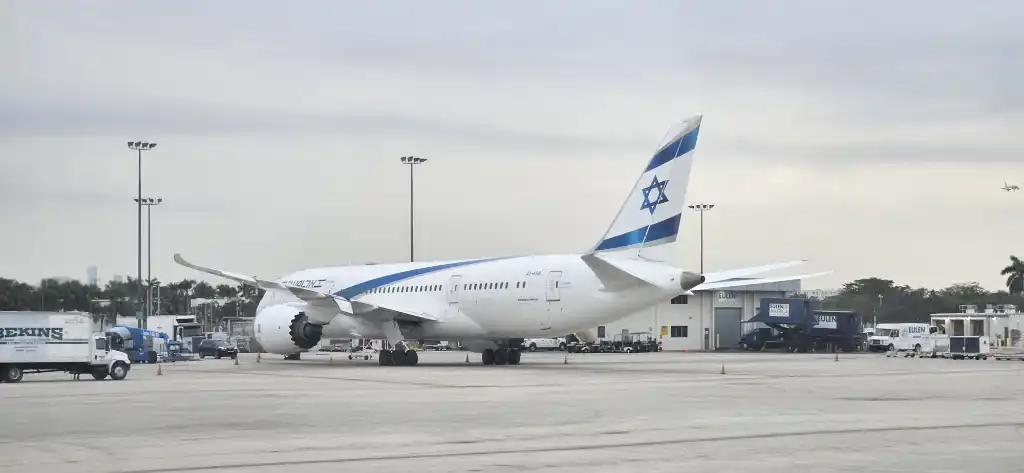
- Tel Aviv (TLV) to Miami (MIA) – 13:50 – El Al
- Tel Aviv (TLV) to Fort Lauderdale (FLL) – 13:50 – El Al
- Chicago-O’Hare (ORD) to Addis Ababa (ADD) – 13:45 – Ethiopian Airlines
- Athens (ATH) to Dallas/Fort Worth (DFW) – 13:25 – American Airlines
- Amman (AMM) to Chicago-O’Hare (ORD) – 13:15 – Royal Jordanian
These routes are a testament to the Dreamliner’s range, but also its adaptability across diverse service patterns.
Serving Diverse Markets with Strategic Precision
One common thread among these long-haul missions is the targeted demand segment they serve. The 787-8 shines when deployed on routes with uneven demand curves, especially those balancing premium traffic with VFR (visiting friends and relatives) travel or routes rich in high-value cargo.
Africa emerges prominently, with both Nairobi and Addis Ababa represented multiple times. These connections are often vital for diplomatic, corporate, and diaspora ties. Notably, Ethiopian Airlines has carved a niche connecting major U.S. hubs with East Africa, tapping into global transfer traffic and robust local communities.
Asia-Pacific is another focal point. ANA’s Dulles to Haneda service and Zipair Tokyo’s Houston to Narita route exemplify how the aircraft can manage long transpacific sectors even with intense headwinds. Meanwhile, United Airlines’ San Francisco to Christchurch service pushes boundaries both in duration and direction—showcasing southbound long-haul potential.
In the Middle East, El Al’s Florida operations (to both Miami and Fort Lauderdale) tap into one of the most dynamic Jewish diaspora markets in the world. The decision to use the 787-8 here reflects confidence in the model’s ability to offer just the right capacity at ultra-long range.
Block Time vs. Distance: Why It Matters
While great-circle distance is an intuitive metric, block time is a truer measure of operational challenge. It includes every real-world friction point—runway congestion, gate delays, weather routing, and air traffic control constraints. For passengers, it is the block time that defines the travel experience.
On punishing days, the difference between a scheduled 13-hour flight and a 15-hour block time can make or break crew planning, aircraft utilization, and customer satisfaction. Airlines know this, and choose the 787-8 for its fuel efficiency, lighter weight, and right-sized cabin. These qualities keep cost per seat mile low, even when stretching into the 14–15 hour zone.
Why Airlines Choose the 787-8 for These Routes
From a network planning perspective, the 787-8 is a strategic instrument, not just a plane. It’s small enough to reduce financial exposure on new or marginal long-haul routes, yet powerful enough to deliver world-class range and comfort. With fuel burn far lower than older generation widebodies, airlines can confidently pursue long-haul strategies that would have been commercially unviable in the past.
This helps airlines:
- Open routes tailored to seasonal surges without overcommitting capacity
- Maintain competitive frequency on thinner international routes
- Protect profit margins even when average load factors dip
- Tap into cargo opportunities on routes underserved by freight operators
Royal Jordanian’s Amman-Chicago and American Airlines’ Athens-DFW are prime examples of this strategy at work: markets with potential, but not large enough to justify a 777 or A350.
The Future of Long-Haul, Right-Sized Aviation
In a world reshaped by fluctuating travel demand, volatile fuel prices, and increased sustainability scrutiny, the 787-8 continues to deliver surgical precision for global connectivity. Its deployment across the top 10 longest U.S.-originating nonstop flights illustrates a growing preference for flexibility over brute size. Carriers seeking to balance route profitability with network reach are finding in the 787-8 a tool of measured ambition.
Rather than being an aircraft for second-tier missions, the smallest Dreamliner has emerged as a vehicle for first-class strategy—offering access, adaptability, and endurance.