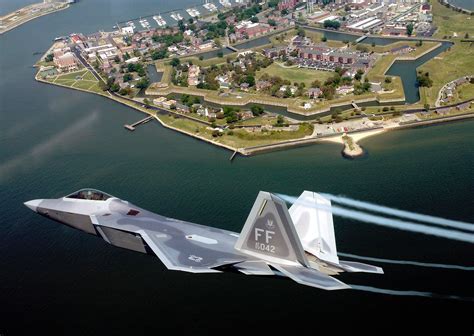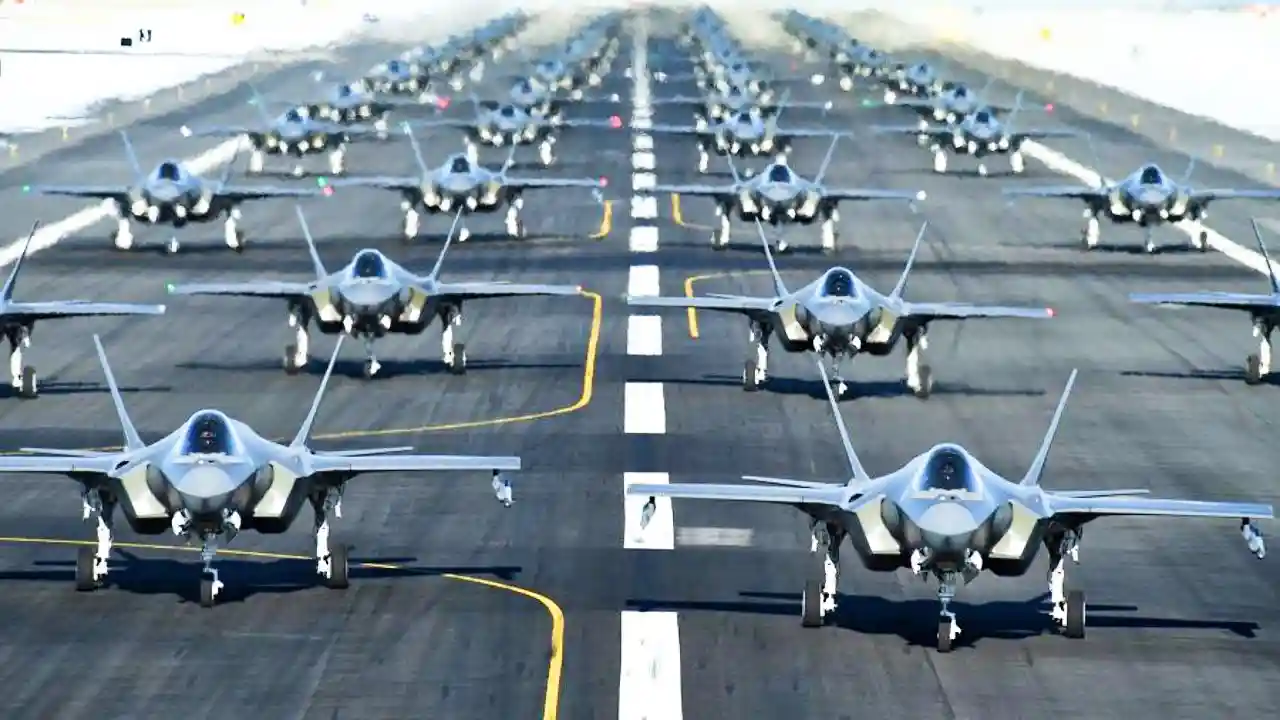
The F-22 Raptor, the world’s premier fifth-generation fighter, has long symbolized air superiority for the United States Air Force. One of the most visually striking demonstrations of its power is the elephant walk, a tactical surge exercise where multiple aircraft taxi in tight formation before takeoff. On January 31, 2025, the 1st Fighter Wing (1st FW) showcased this capability at Langley Air Force Base, Virginia, underscoring its ability to deploy combat-ready forces on short notice.
What is an Elephant Walk?
An elephant walk is a high-visibility military drill where a large number of aircraft move in close formation on the runway before launching in rapid succession. The term originated during World War II, describing bombers lined up in preparation for mass deployment. Today, it serves as a powerful combat readiness exercise, proving that a unit can generate and sustain overwhelming airpower in a crisis scenario.
For the F-22 Raptor, an elephant walk is not just a show of force; it is a strategic message to adversaries and a validation of operational preparedness. The exercise requires meticulous coordination, from fueling and maintenance to pilot synchronization and air traffic control.
The 1st Fighter Wing’s Role in Air Superiority
The 1st Fighter Wing at Langley AFB plays a crucial role in maintaining U.S. air dominance. As the premier Air Superiority Wing, it operates a fleet of F-22 Raptors and T-38 Talons while hosting the sole F-22 Formal Training Unit (FTU). This ensures a continuous pipeline of highly skilled pilots trained to operate one of the most advanced fighter jets in the world.
Key Responsibilities of the 1st Fighter Wing:
- Rapid Global Deployment – Readiness to project power anywhere within hours.
- Pilot Training and Development – Producing elite F-22 Raptor pilots.
- Air Superiority Missions – Maintaining control of contested airspace.
- Combat Lethality Enhancement – Advancing tactics and strategies for multi-domain warfare.
Watch: Elephant Walk with F-22’s of the U.S. Air Force’s 1st Fighter Wing
Strategic Importance of the F-22 Elephant Walk
1. Rapid Deployment Capability
The elephant walk conducted on January 31, 2025, demonstrated the 1st FW’s ability to mobilize at a moment’s notice. With increased geopolitical tensions, this exercise reinforced the Air Force’s commitment to deterrence and rapid power projection.
2. Deterrence Against Adversaries
A coordinated surge of F-22 Raptors sends a clear message to adversaries. As tensions with near-peer competitors rise, such exercises showcase the U.S. Air Force’s operational strength and serve as a warning against potential aggression.
3. Validation of Maintenance and Logistics
Executing an elephant walk requires the entire support infrastructure of an airbase to function seamlessly. Every aircraft must be mission-ready, with perfect maintenance, fueling, and weapons loading procedures in place. This level of coordination ensures combat readiness under high-pressure scenarios.
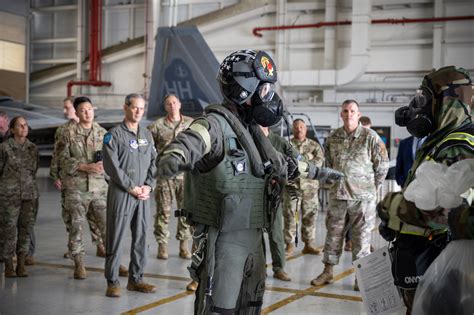
The F-22 Raptor: The Backbone of Air Dominance
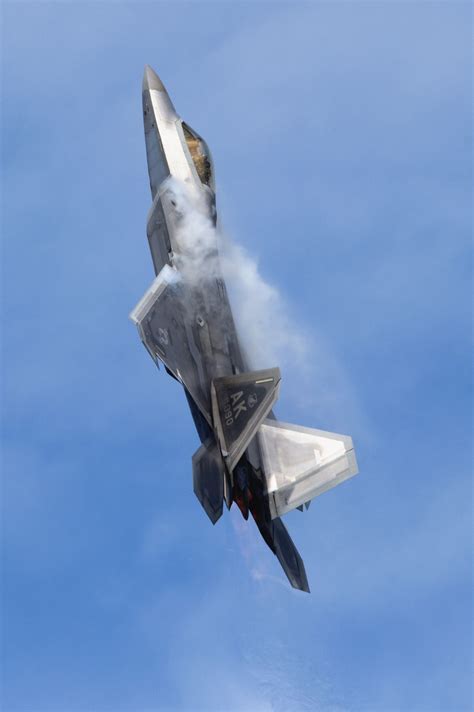
The F-22 Raptor, developed by Lockheed Martin, remains the world’s most advanced air superiority fighter. With unmatched stealth, speed, agility, and sensor fusion, it dominates both beyond-visual-range (BVR) and dogfight engagements.
F-22 Raptor’s Key Features:
- Supercruise: Sustains speeds above Mach 1.5 without afterburners.
- Stealth Technology: Radar cross-section reduction for undetectable operations.
- Advanced Avionics: Sensor fusion provides unmatched situational awareness.
- Extreme Maneuverability: Thrust-vectoring and high-G performance enable superior agility.
Conclusion
The F-22 elephant walk at Langley Air Force Base reaffirmed the 1st Fighter Wing’s mission readiness and ability to dominate the skies. This exercise not only served as a deterrence measure but also showcased the meticulous precision required to sustain combat airpower. As global threats evolve, maintaining air superiority remains a top priority for the United States Air Force, and the F-22 Raptor will continue to be at the forefront of this mission.
Frequently Asked Questions
1. Why is the F-22 Raptor considered the best air superiority fighter?
The F-22 Raptor combines stealth, supercruise, advanced avionics, and superior maneuverability, making it the most dominant fighter in air-to-air combat. Its ability to engage enemies before being detected gives it an unparalleled advantage.
2. How does an elephant walk benefit military readiness?
An elephant walk tests the ability of an airbase to launch a high volume of aircraft in rapid succession. It validates pilot readiness, maintenance efficiency, logistics coordination, and overall combat preparedness.
3. How often does the U.S. Air Force conduct elephant walks?
Elephant walks occur periodically across different air bases to assess combat readiness and send strategic messages to adversaries. These exercises are particularly common in response to global security threats.