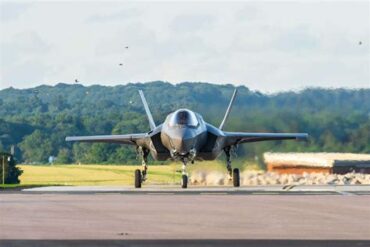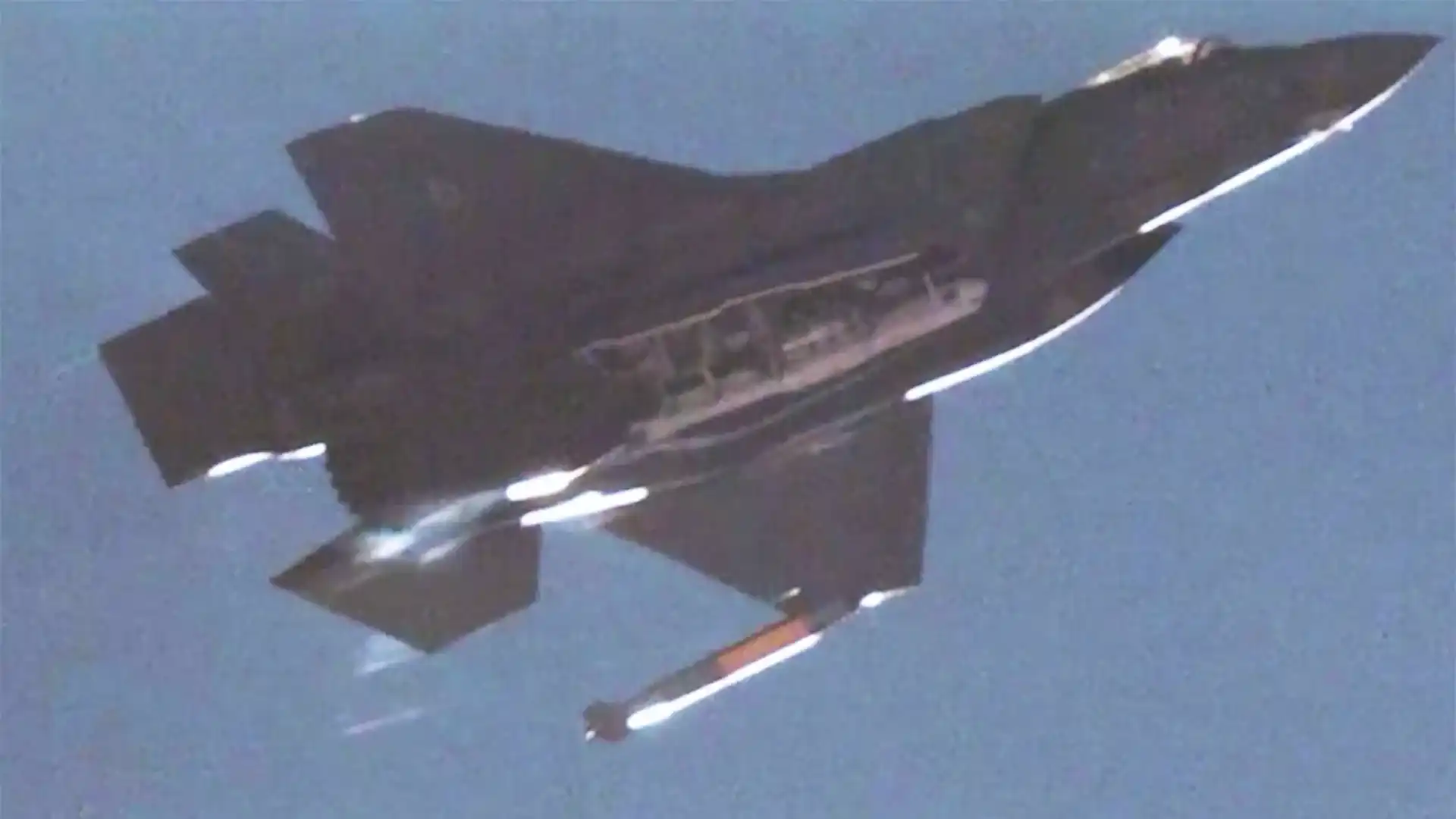
The F-35A Lightning II has officially entered a new era of lethality and strategic influence. With its certification to carry the B61-12 thermonuclear gravity bomb as of October 2023, the F-35A becomes the first fifth-generation stealth fighter to possess nuclear strike capability. This development is not merely a technical upgrade—it represents a pivotal transformation in NATO’s deterrence architecture, power projection, and global military balance.
For the first time, a stealth aircraft engineered for battlefield survivability now carries a tactical nuclear payload capable of precision strikes against hardened targets. The implications span strategic deterrence, alliance dynamics, nuclear doctrine evolution, and technological ethics.
Nuclear Certification and Weapon System Integration
B61-12 and Precision Nuclear Warfare
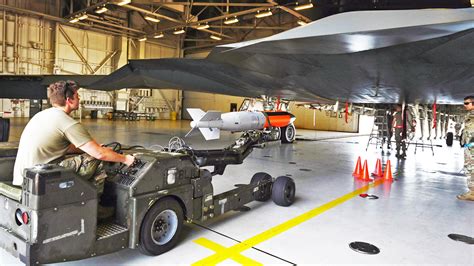
The B61-12 nuclear bomb, which has been integrated into the F-35A’s weapons system, reflects a broader U.S. effort to modernize tactical nuclear arms. Unlike earlier iterations, the B61-12 is precision-guided and features adjustable yields, ranging from 300 tons to 50 kilotons of TNT. This flexibility allows for surgical nuclear strikes, even on deeply buried or reinforced targets such as command bunkers.
The bomb’s accuracy within 10 to 30 meters signifies a dramatic shift from Cold War-era nuclear weapons designed for area devastation. Instead, the B61-12 aligns with limited nuclear options, potentially lowering the threshold for use—a controversial yet deliberate feature of evolving deterrence strategy.
Dual-Role Mission Profile
The F-35A’s dual-capable mission profile enables it to switch between conventional and nuclear configurations. This duality enhances operational flexibility in conflict scenarios where rapid escalation or de-escalation may be necessary. However, this also introduces risk: adversaries may misinterpret the launch of a conventional sortie as a nuclear operation, especially during high-tension standoffs.
Nuclear mission certification remains limited to specific F-35A squadrons, ensuring that only a fraction of the global F-35 fleet will have nuclear responsibilities. This approach reflects the U.S. strategy to use nuclear certification as a tool for symbolic deterrence, rather than operational saturation.
NATO Integration and Strategic Deployment
Revamping Europe’s Nuclear Umbrella
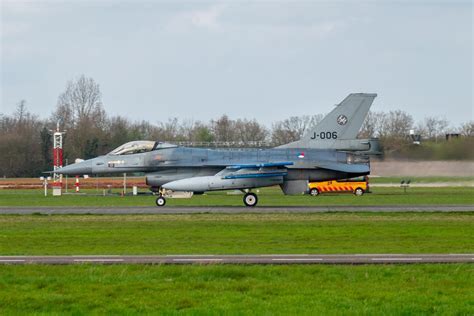
The United States and NATO have focused early nuclear-certified F-35A deployment in Europe, replacing Cold War platforms like the F-16 Fighting Falcon and Panavia Tornado. The shift is part of NATO’s nuclear-sharing program, with host nations including Germany, Italy, Belgium, the Netherlands, and Turkey.
This modernized capability supports NATO’s “extended deterrence” strategy. In particular, the stealth and survivability of the F-35A allows it to penetrate sophisticated enemy air defense systems—such as Russia’s S-400 and S-500—far more effectively than legacy aircraft.
Allied Transitions and Force Posture
In June 2024, the Netherlands became the first NATO country to complete its nuclear role transition from F-16s to F-35As. Germany, Belgium, and Italy are following suit, aligning their national contributions to NATO’s collective nuclear posture with fifth-generation survivability and readiness standards.
Importantly, F-35A nuclear deployment is not limited to European scenarios. While strategic bombers such as the B-21 Raider remain the preferred asset for the Indo-Pacific theater, the possibility of stationing nuclear-certified F-35As in Japan or Guam cannot be discounted in future force design scenarios.
Impacts on the Global Nuclear Balance
Tactical Utility vs. Strategic Deterrence
The B61-12 is categorized as a tactical nuclear weapon, distinct from the strategic warheads deployed via intercontinental ballistic missiles (ICBMs) or ballistic missile submarines (SSBNs). The United States maintains a limited stockpile of approximately 230 B61-series bombs, making them a scarce but symbolic resource in global nuclear calculus.
Critically, the F-35A does not alter the strategic balance of mutually assured destruction, but it does reshape the tactical nuclear landscape. By offering precise, lower-yield options, it gives policymakers more tools—but also more decisions—under extreme stress.
Selective Certification and Operational Control
Only a subset of U.S. F-35A squadrons will be certified for nuclear missions, and each requires rigorous inspection, secure infrastructure, and mission-specific training. This ensures tight operational control and minimizes risk of unauthorized deployment or mishandling.
The symbolic value of nuclear-certified stealth fighters lies in their credibility as a strike option and their integration into allied defense plans. The Pentagon has emphasized that nuclear-capable F-35s serve more as in-theater messaging tools than primary nuclear platforms.
Controversies and Technical Challenges
Software and Engine Limitations
Despite its high-tech promise, the F-35 program continues to face software and reliability challenges, particularly with the Block 4 upgrade that includes full nuclear mission support. The F135 engine has also experienced heat and wear issues, leading to increased maintenance and concern about mission readiness rates.
These technical issues have slowed the transition from limited to full operational capability, with some analysts warning that overreliance on a single airframe for both conventional and nuclear missions may prove to be a logistical and strategic vulnerability.

Strategic Criticism and Ethical Debate
Experts such as Hans Kristensen of the Federation of American Scientists have voiced concern that the F-35A introduces ambiguity in nuclear signaling and lacks the payload depth of strategic bombers like the B-2 or B-21. He warns that its use could blur the line between conventional and nuclear warfare, increasing the risk of unintended escalation.
Ethically, the idea of a precision low-yield nuclear strike raises new questions in nuclear doctrine. While technically reducing civilian collateral, the increased usability of such weapons may lower the psychological barrier to nuclear engagement, undermining decades of strategic restraint.
Global Reactions and Modernization Momentum
Allied Confidence and Future Integration
The integration of the F-35A into NATO’s nuclear posture has bolstered allied confidence, especially in frontline states near Russia’s sphere of influence. The Netherlands, Belgium, and Germany are rapidly preparing infrastructure and pilot training programs for nuclear readiness.
Further ahead, other U.S. allies such as Japan, South Korea, and Australia, though not currently nuclear-armed, may consider how dual-role capabilities of the F-35A shape their own security dependencies and deterrent calculations.
Modernization Across the Arsenal
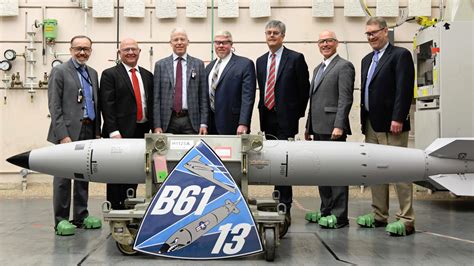
The F-35A’s nuclear capability reflects broader trends in U.S. nuclear modernization, including the planned deployment of the B61-13 variant, designed for higher-yield delivery via strategic bombers. Additionally, proposed engine upgrades could enhance the range, stealth, and payload endurance of the F-35A, allowing deeper penetration in contested environments.
As global powers accelerate nuclear modernization, the F-35A represents not only a leap in tactical flexibility, but also a signpost of where 21st-century nuclear deterrence is headed—faster, stealthier, and more integrated than ever before.
Frequently Asked Questions (FAQ)
Is every F-35A capable of carrying nuclear weapons?
No. Only a limited number of F-35A squadrons are designated as nuclear-capable. These aircraft undergo special modifications and certification processes, and are operated under strict command-and-control protocols. The vast majority of F-35As worldwide are not configured for nuclear missions.
Why is the B61-12 bomb considered controversial?
The B61-12’s precision guidance and adjustable yield are intended to reduce collateral damage. However, critics argue that these features make nuclear weapons more usable in conflict, potentially lowering the threshold for nuclear war. The bomb’s dual-use capability also complicates strategic signaling during crises.
How does the F-35A compare to strategic bombers like the B-21 for nuclear missions?
The F-35A is a tactical platform optimized for regional deterrence and battlefield flexibility. It complements, but does not replace, strategic bombers like the B-21 Raider, which are designed for long-range intercontinental nuclear missions and carry heavier payloads with larger yields. Each serves a distinct role within the broader U.S. nuclear triad.