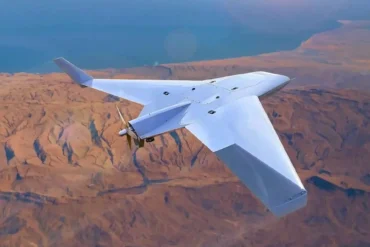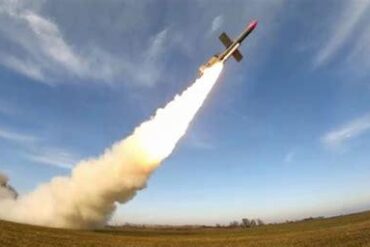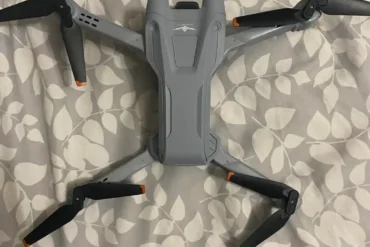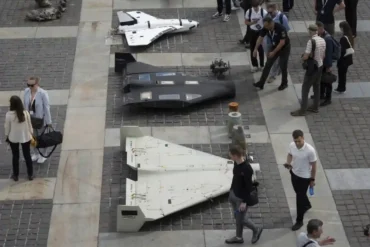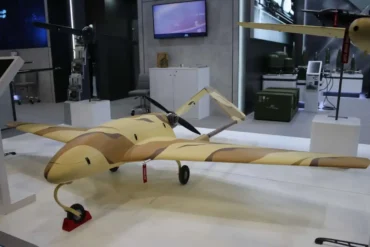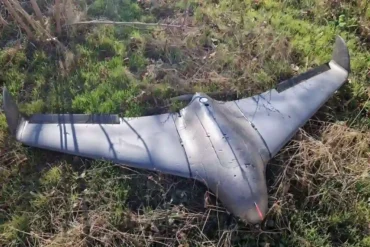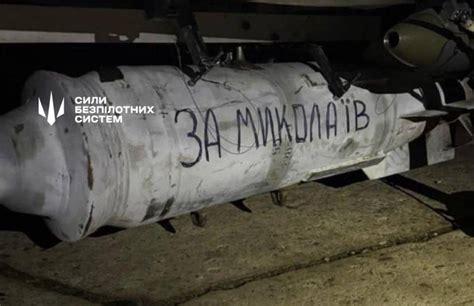
In a significant escalation of drone warfare, Ukraine has introduced a cutting-edge long-range drone capable of striking targets up to 2,000 kilometers away. The military’s Unmanned Systems Forces revealed this development on January 31, marking a pivotal moment in the conflict between Ukraine and Russia. This drone, which can carry a 250-kilogram air bomb, is being touted as a game-changer on the battlefield. With its ability to strike deep into enemy territory, the drone offers Ukraine new opportunities to target key Russian military infrastructure, including fuel depots and weapons storage sites, significantly disrupting Moscow’s war efforts.
The Drone’s Capabilities
Ukraine’s new long-range drone is a remarkable technological feat, offering both strategic and operational advantages to the Ukrainian forces. The drone’s primary feature is its extended range of up to 2,000 kilometers (1,242 miles), enabling it to reach deep into Russian territory and hit crucial targets far beyond the front lines. This level of range provides Ukraine with the ability to strike Russian military-industrial complexes, refineries, and ammunition depots from a distance, greatly reducing the risks to Ukrainian personnel.
One of the standout aspects of the drone’s design is its payload capacity. It can carry a 250-kilogram bomb, which provides a substantial payload for disrupting key Russian infrastructure. The ability to carry such a heavy payload allows for targeted strikes that can inflict significant damage on Russian military operations, making it a valuable tool for Ukraine in the ongoing war.
This drone is described by Ukraine’s military as a “unique development” that could reshape the strategic landscape of the conflict. While specific technical details have been kept under wraps, the fact that it can travel such vast distances while carrying a substantial payload speaks volumes about the level of expertise and innovation behind the project.
Strategic Impact on the War
The introduction of this long-range drone has significant implications for both the Ukrainian and Russian forces. For Ukraine, it offers a new method of targeting Russian supply lines, especially those reliant on oil and fuel resources. Ukrainian military officials have pointed out that a key objective of these drone strikes is to disrupt Russian fuel supplies, which are crucial for maintaining the Russian military’s operational capabilities. By targeting oil refineries, military-industrial complexes, and other energy facilities, Ukraine aims to weaken Russia’s military logistics and reduce the revenue generated from energy exports.
Moreover, these strikes also serve as a psychological tool. Russian authorities frequently claim that they have shot down Ukrainian drones, but reports of explosions at key Russian military sites suggest otherwise. The discrepancy between Russian claims and the actual damage being inflicted has caused some concern within the Russian military and government. This, in turn, provides Ukraine with an opportunity to exploit the gap in Russia’s defense narrative and maintain the element of surprise.
The ability to reach targets thousands of kilometers away also represents a major shift in how Ukraine can conduct its operations. As the conflict has progressed, drone warfare has become a cornerstone of Ukraine’s strategy, enabling them to strike with precision and minimal risk. The new drone allows Ukraine to extend its reach even further, meaning that Russian forces could find themselves vulnerable to attacks in previously inaccessible areas.
Ukraine’s Drone Program: A Game-Changer
Since the onset of Russia’s full-scale invasion, both Ukraine and Russia have invested heavily in drone technology. This new long-range drone is the latest in a series of innovations that have reshaped how wars are fought in the modern era. Drones are now used extensively by both sides for reconnaissance, surveillance, air strikes, and even ground attacks. In fact, Ukraine has developed a variety of drones suited for different roles, from reconnaissance drones to armed drones capable of delivering precision strikes.
As of 2024, Ukraine produced more than 30,000 bomber drones, according to the country’s Strategic Industries Minister, Herman Smetanin. This surge in drone production indicates Ukraine’s commitment to expanding its aerial capabilities and continuing to leverage drones as a key component of its military strategy. The fact that Ukraine is producing these drones domestically further strengthens its position, as it reduces reliance on foreign suppliers and increases the country’s self-sufficiency in wartime technologies.
The drones operated by Ukraine’s 14th Regiment of Unmanned Aircraft Systems have already been in use for over a year, conducting hundreds of missions targeting Russian military sites. These missions have involved both long-range and short-range drones, with some flying thousands of kilometers into Russian territory. The military has made it clear that these strikes will continue, with dozens of such missions already conducted and more planned for the future. This ongoing strategy reflects Ukraine’s growing capability in drone warfare and its determination to continue the pressure on Russian forces.
Tactical Use of Long-Range Drones
The strategic importance of long-range drones cannot be overstated in the context of modern warfare. The ability to strike at a target far behind enemy lines offers a host of advantages. These drones are capable of conducting strikes with minimal risk to human personnel, allowing for more precise and effective targeting. The use of drones also enables the military to avoid costly airstrikes or ground operations that would put soldiers in harm’s way.
Moreover, these drones offer the possibility of near-continuous surveillance and reconnaissance, providing real-time intelligence on enemy positions and movements. In the case of Ukraine’s long-range drone, its ability to hit key Russian infrastructure targets means that it can effectively disrupt Russia’s logistics and supply chains, which are crucial for maintaining the momentum of their military campaigns.
The impact of these drones extends beyond the battlefield. By hitting high-value targets, Ukraine can reduce Russia’s ability to wage war effectively, while also sending a strong message to both domestic and international audiences about Ukraine’s growing military prowess. The drone program is not just a tactical innovation; it’s also a strategic asset that enhances Ukraine’s global standing as a resilient and technologically advanced military power.
Conclusion
Ukraine’s deployment of a long-range drone capable of striking targets 2,000 kilometers away marks a significant milestone in the ongoing war with Russia. This new weapon system, with its ability to carry a 250-kilogram bomb, offers Ukraine a powerful tool for disrupting Russian military infrastructure, particularly targeting fuel supplies and critical military sites deep within Russian territory. As the war progresses, Ukraine’s continued investment in drone technology is likely to reshape the tactics and strategies employed on both sides.
The long-range drone, operated by Ukraine’s 14th Regiment of Unmanned Aircraft Systems, has already conducted dozens of missions and is set to play a central role in the country’s ongoing efforts to challenge Russian forces. With its growing drone capabilities, Ukraine is proving that innovation and resilience can overcome the challenges of modern warfare, while maintaining the strategic advantage in a highly complex and evolving conflict.