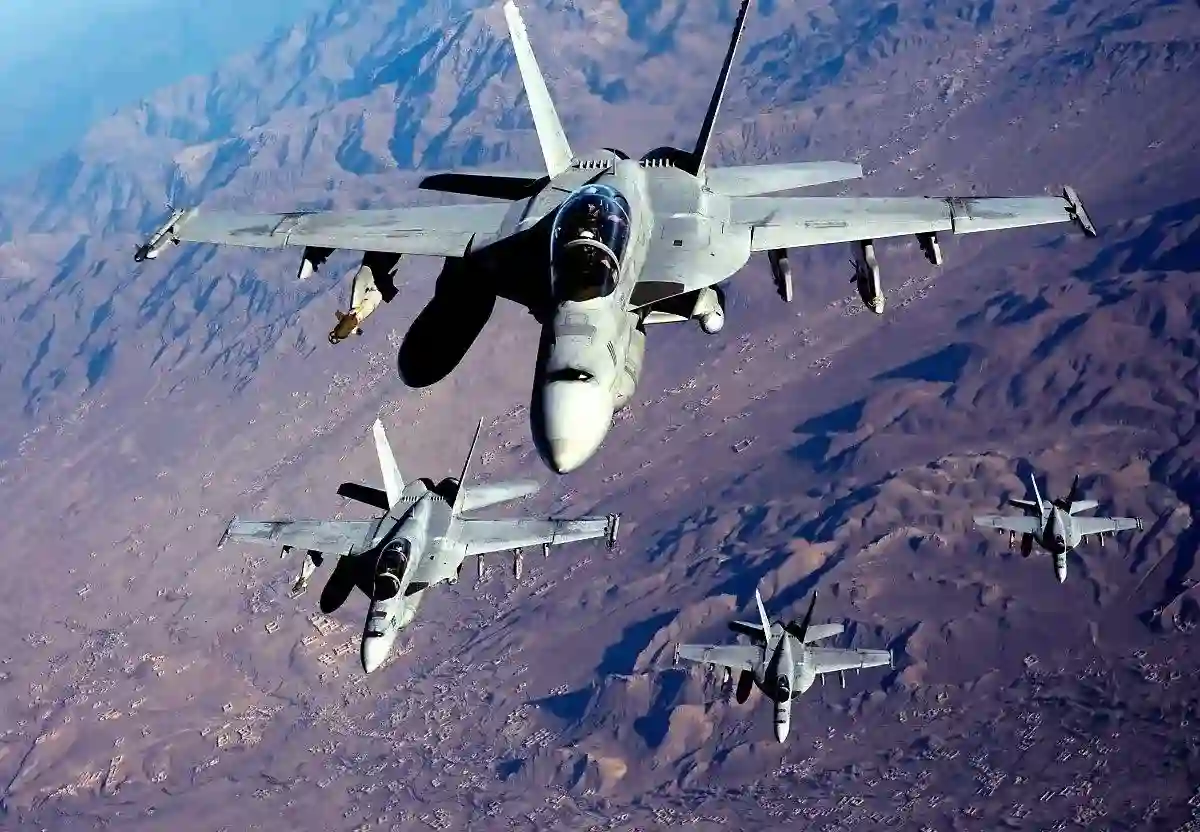
The F/A-18E and F/A-18F are two variants of the Hornet family, designed and built by McDonnell Douglas (now Boeing). Both aircraft are integral to the United States Navy and various allied forces, offering advanced multirole capabilities that range from air superiority to ground attack. However, despite sharing many similarities, these two variants cater to different operational requirements, providing unique advantages based on their configuration. In this article, we will delve into their design differences, combat capabilities, role in military operations, and cost implications.
F/A-18E and F/A-18F: The Basics
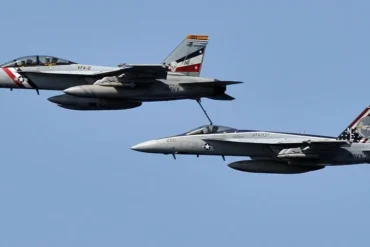
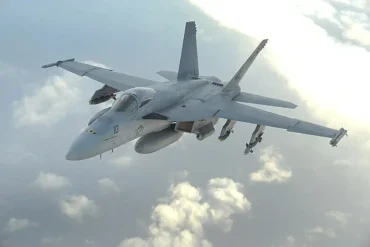
The F/A-18E and F/A-18F variants are both part of the Super Hornet family, an upgraded version of the earlier F/A-18 Hornet. While they share many components, they are distinct in their design and functionality. The F/A-18E is a single-seat fighter, primarily suited for air-to-air combat and air-to-ground strike missions. It allows the pilot to independently operate both the aircraft’s flight and its weapons systems.
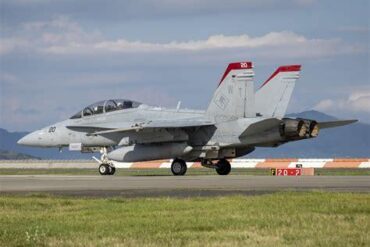
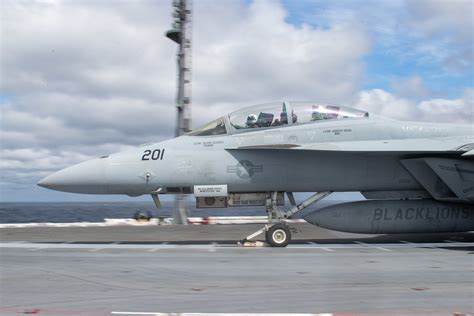
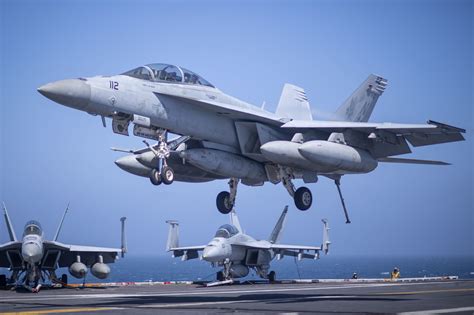
On the other hand, the F/A-18F is a twin-seat fighter, which includes an additional rear seat for a weapons systems officer (WSO). This configuration enables the F/A-18F to handle more complex missions, such as tactical reconnaissance, forward air control, and electronic warfare. The presence of a rear-seat operator enhances the aircraft’s operational flexibility, as one crew member can focus on flying while the other manages systems and combat tasks.
Mission and Role Differences
The primary distinction between the F/A-18E and F/A-18F is their role within military operations. F/A-18E is designed for efficient, high-performance solo missions, where a single pilot is tasked with a variety of roles. These missions include air superiority, close air support, and strike operations. The aircraft is equipped with a sophisticated suite of avionics and weapons systems, enabling it to operate effectively in both day and night environments.
In contrast, the F/A-18F is a more versatile platform designed to handle multirole operations. The twin-seat arrangement is particularly beneficial when the mission requires coordinated operations or the management of complex tasks. This includes electronic warfare (such as jamming enemy radar systems), coordination with airborne early warning (AEW) aircraft, and targeting in multinational operations. The rear-seat operator’s role is crucial for maintaining situational awareness and executing operations that demand constant communication with other units, making the F/A-18F ideal for coordination and command in high-pressure environments.
Design and Derivative Capabilities
The design of both aircraft is based on a common airframe, but the F/A-18F’s twin-seat configuration allows for greater flexibility in its operations. This dual-seat design facilitates mission adaptability, enabling the F/A-18F to operate in a variety of roles, including cooperative targeting and electronic warfare. This variant can also coordinate closely with AWACS (Airborne Warning and Control System) aircraft, making it an essential asset for networked warfare and multirole operations.
While the F/A-18E is primarily designed for solo combat, it still incorporates many of the advanced systems shared by the F/A-18F. Both variants boast advanced radar systems, weapon systems, and electronic warfare suites. However, the F/A-18F‘s ability to carry out joint targeting and electronic countermeasures sets it apart in more complex combat scenarios. This makes the F/A-18F more suited for integrated operations and electronic warfare tasks, where both offensive and defensive capabilities are required.
Combat Performance and Operational Use
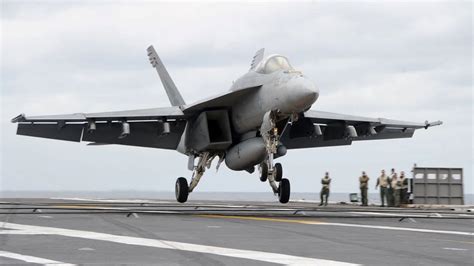
In terms of combat effectiveness, both the F/A-18E and F/A-18F can carry an array of advanced air-to-air and air-to-ground weapons, including AIM-120 AMRAAMs, AIM-9 Sidewinder missiles, and smart bombs like the StormBreaker. Both variants also feature superior range and payload capabilities, allowing them to perform long-range strike missions and carry out deep penetration strikes against high-value targets.
The F/A-18E is often deployed in more direct combat scenarios, where the need for a solo operator to execute high-precision missions is paramount. Meanwhile, the F/A-18F’s multirole flexibility makes it ideal for training exercises, electronic warfare missions, and forward air control operations. As a result, the F/A-18F is frequently utilized for complex operational exercises and interoperability training, including tasks that require coordination with other branches of the military or allied forces.
Cost and Maintenance Considerations
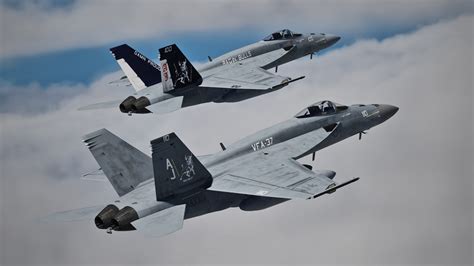
While the F/A-18F offers greater versatility, it comes at a slightly higher cost due to its twin-seat design and additional systems. The unit cost of the F/A-18F is marginally higher than the F/A-18E, but this is offset by its multirole capabilities, which allow it to perform more complex missions and reduce the need for additional platforms in the fleet. Additionally, the maintenance costs for the F/A-18F are generally higher due to its more intricate systems and dual-seat configuration.
However, both the F/A-18E and F/A-18F are significantly more cost-effective than the older F-14 Tomcat, with operating costs approximately 40% lower than the F-14. This makes both the F/A-18E and F/A-18F vital components of the Navy’s modern fleet, especially as the service continues to focus on cost-efficient operations while maintaining cutting-edge capabilities.
Global Deployment and Use
Both the F/A-18E and F/A-18F have been widely adopted by various countries beyond the United States. For instance, Australia operates both the F/A-18E and F/A-18F, with the F/A-18F being particularly useful for electronic warfare missions under the EA-18G Growler configuration. Similarly, Kuwait has procured a mix of both variants, demonstrating the strategic value of the twin-seat F/A-18F for international partners.
The flexibility of the F/A-18F makes it particularly attractive to countries requiring advanced capabilities in electronic warfare, command and control, and interoperability with NATO forces and other allied countries. The F/A-18E, while less versatile in terms of its operational scope, is a formidable platform for solo missions and force projection, especially in forward-deployed operations.
Conclusion
In conclusion, while the F/A-18E and F/A-18F share many similar characteristics, their differences lie in their configurations and the scope of missions they can handle. The F/A-18E is designed for high-efficiency solo operations, excelling in air superiority and strike missions. In contrast, the F/A-18F offers superior flexibility with its twin-seat configuration, making it the aircraft of choice for complex, multirole operations involving electronic warfare, command and control, and interoperability with allied forces. Each variant plays a crucial role in modern military aviation, complementing the strengths of the other and providing a robust solution to the Navy’s diverse operational needs.
FAQ
What is the main difference between the F/A-18E and F/A-18F?
The main difference lies in the seating configuration. The F/A-18E is a single-seat aircraft primarily designed for solo missions, while the F/A-18F is a twin-seat aircraft, making it more versatile for complex missions like electronic warfare and multirole operations.
How does the F/A-18F enhance electronic warfare capabilities?
The F/A-18F is equipped with advanced electronic warfare systems, including the EA-18G Growler variant, which can perform jamming and electronic attack operations. The dual-seat configuration allows one operator to manage these systems while the pilot focuses on flight and navigation.
Can the F/A-18E and F/A-18F carry the same weapons?
Yes, both the F/A-18E and F/A-18F are capable of carrying a wide range of advanced weapons, including AIM-120 AMRAAMs, AIM-9 Sidewinders, and smart bombs. However, the F/A-18F‘s additional seat allows for greater flexibility in mission planning and execution, especially for tasks requiring coordinated targeting.