American Airlines is executing a strategic overhaul of its base maintenance operations, fine-tuning the deployment of aircraft, technicians, and internal resources across four pivotal locations. These shifts are not mere reactions to operational pressures—they represent carefully calculated chess moves, aligning with fleet demands, workforce optimization, and long-term reliability objectives. At the core of these changes is a broader strategy to increase control over maintenance timelines, reduce aircraft downtime, and reinforce internal capabilities in a tightening labor market.
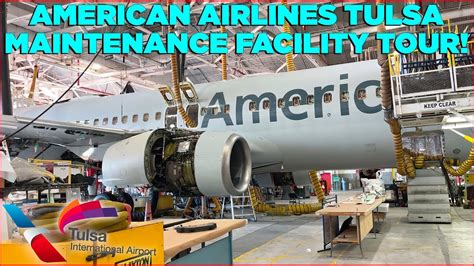
Tulsa: Reclaiming 787 Checks While Expanding 737 Capacity
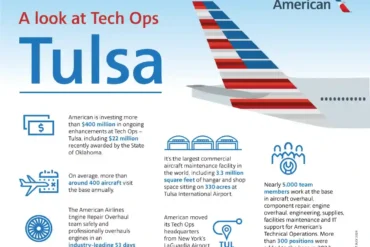
Tulsa, Oklahoma, has long been a maintenance cornerstone for American Airlines. In 2023, the airline added 300 new hires to this facility, strengthening its capacity for CFM56 engine maintenance. Now, with a new wave of adjustments set for 2025, Tulsa is once again the focus of a strategic realignment.
Rather than simply adding more volume, the shift emphasizes realigning aircraft types based on maintenance demand cycles. American Airlines will:
- Add one new Boeing 737 heavy maintenance line
- Reintroduce a 787 heavy maintenance check line, which Tulsa had previously managed but temporarily suspended in favor of more 737 work
This transition reflects the ebb and flow of aircraft fleet needs. While Tulsa absorbed more 737 maintenance in recent years, the resurgence of 787 check volumes necessitates restoring Tulsa’s widebody capability. To support these dual priorities, an additional 227 aircraft maintenance technicians (AMTs) will be hired, alongside 100+ professionals to support backshops—covering components like seats, galleys, lavatories, composites, and functions in engineering, supply chain, and planning.
This concentrated effort ensures that Tulsa continues to serve as the linchpin for both narrowbody and widebody maintenance in American’s operational ecosystem.
Charlotte: The Ascending Hub for C11 Checks
Over the past three years, Charlotte has quietly emerged as a high-performance node in American Airlines’ maintenance framework. Through phased investments in headcount and infrastructure, the facility has been realigned to focus heavily on Airbus A320 C11 checks—intermediate maintenance cycles that straddle the line between light touch-ups and full-scale overhauls.
C11 checks typically take around 10 days to complete, requiring a high degree of scheduling discipline and engineering efficiency. Charlotte has been growing its capacity to handle these, but with recent changes in Pittsburgh, it’s about to shoulder even more responsibility.
American is transferring a displaced C11 line from Pittsburgh to Charlotte, necessitating the hiring of approximately 100 additional maintenance personnel. This move solidifies Charlotte’s mission-critical role in handling the high-volume Airbus A320 segment, leveraging its growing infrastructure and proven track record in mid-tier checks.
Pittsburgh: Elevating to Heavy Check Territory
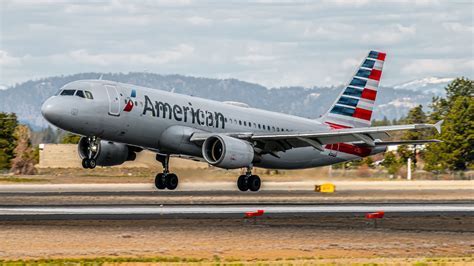
Previously known for its effectiveness in executing C11 checks, Pittsburgh is now ascending into the heavy maintenance arena. The facility currently runs three dedicated C11 lines, a testament to its streamlined operations and space utilization. However, in a calculated pivot, one of these C11 lines will be decommissioned and replaced with a full Airbus A320 heavy check line, brought in-house from an external vendor.
This transition reflects a broader corporate strategy: minimizing reliance on third-party vendors while maximizing internal productivity and aircraft turnaround speeds. As a result, 44 new maintenance positions will be added in Pittsburgh, supporting the infrastructure required to handle the more labor- and resource-intensive heavy checks.
By retaining its C11 competency while scaling upward into deeper maintenance scopes, Pittsburgh is reinforcing its value as a multi-tiered service hub within American Airlines’ internal network.
Behind the Moves: Why Internalization Wins
At first glance, these facility shifts may seem like tactical shuffling. But under the surface lies a deeply strategic rationale: performing more work internally yields superior operational efficiency.
According to Greg Emerson, American Airlines’ Vice President of Base Maintenance and Facilities, the company can complete aircraft checks faster and with higher reliability in-house than through external maintenance vendors. Internal teams offer:
- Reduced span times for checks
- Improved aircraft dispatch reliability
- Greater flexibility in aligning maintenance work with flight schedules
These advantages are not trivial. In the high-stakes world of commercial aviation, even modest gains in aircraft availability or reliability translate directly into millions of dollars saved annually. By expanding internal capabilities and maintaining a robust but selectively utilized vendor network, American Airlines is playing the long game—investing in internal scalability while remaining agile.
Managing a High-Stakes Labor Market
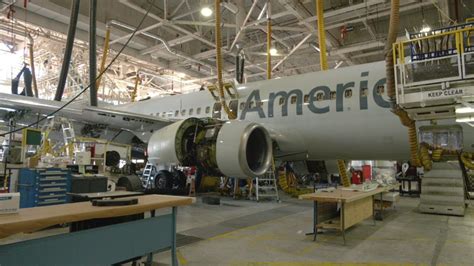
With nearly 500 new roles opening across Tulsa, Charlotte, and Pittsburgh, one might expect concerns around talent acquisition. But Emerson is unequivocal: “We don’t have a problem.”
The airline’s hiring track record supports his confidence. Tulsa successfully onboarded 300 staff last year without delay. Similarly, Pittsburgh has met its hiring targets consistently over the past three years. The secret? A mix of:
- Competitive compensation packages
- Stable long-term employment opportunities
- Geographic diversification across multiple maintenance hubs
In a labor market where skilled AMTs are in short supply and high demand, American Airlines’ ability to consistently attract and retain qualified personnel is both a strategic advantage and a validation of its internal culture.
Seasonal Dynamics: Maintenance in Phases
While American Airlines performs roughly 60% of its base maintenance internally during peak seasons, the volume isn’t evenly distributed year-round. During summer and major holidays, when aircraft utilization is at its highest, maintenance activity tapers off to ensure maximum fleet availability. The company effectively operates on a nine-month heavy maintenance calendar, with winter and spring as the most intense operational windows.
This cyclical model enables American to:
- Balance maintenance demand across facilities
- Prevent bottlenecks during high-travel periods
- Align staffing and equipment use with real-time needs
When combined with the internal-versus-vendor calculus, the result is a highly dynamic but precisely orchestrated maintenance framework, fine-tuned to keep aircraft moving and schedules intact.
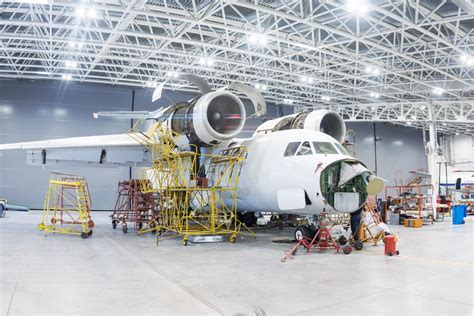
Conclusion: A Masterclass in Maintenance Strategy
American Airlines’ recent base maintenance realignments are not just administrative maneuvers—they are a masterclass in operational strategy, built on data, timing, and foresight. Each move across Tulsa, Charlotte, and Pittsburgh reflects:
- A nuanced understanding of fleet maintenance cycles
- A willingness to adapt facility missions for maximum impact
- A deliberate investment in human capital and technical infrastructure
In an industry where efficiency and reliability are paramount, American’s internal reshuffling offers a blueprint for competitive advantage. It leverages the flexibility of its multi-site network while steadily drawing more value from in-house execution. And in doing so, the airline not only reduces operational risk but positions itself for sustained long-term success in aircraft maintenance excellence.