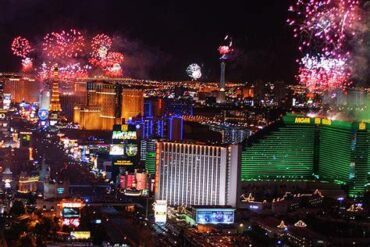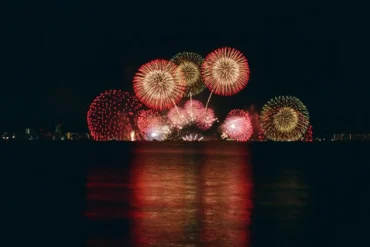
Fireworks are explosive pyrotechnic devices designed for aesthetic enjoyment and entertainment. They can be used in small garden gatherings or large public displays. A key feature of these shows is the launching of solid objects into the sky, creating stunning visual effects. Major events, national holidays, and celebrations often include large firework displays. In many states, carrying fireworks on an aircraft is illegal, highlighting concerns about aviation safety.
Firework displays are particularly common at specific times of the year. For instance, in July, Canada celebrates Canada Day on the 1st, while the United States marks Independence Day on the 4th. August sees Singapore hosting its National Day fireworks on the 9th, and Japan celebrates hanabi taikai throughout the month. Around Halloween, which falls on October 31st, both the UK and countries like Ireland, the USA, and Canada engage in festivities. The Hindu festival of Diwali, celebrated from October to December, often features fireworks in India and among Hindu communities worldwide. In England and Scotland, Guy Fawkes Night occurs around November 5th, followed by New Year’s Eve celebrations on December 31st across much of the globe.
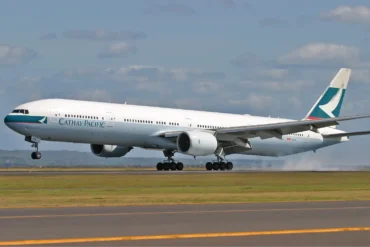
But what about the risks that fireworks pose to aircraft safety? Large-scale firework events can launch canisters hundreds of feet into the air. While the chances of a collision with an aircraft are low, they are most concerning during take-off and landing. Generally, fireworks are unlikely to cause significant damage to commercial jets, but they can distract pilots, especially at lower altitudes during approaches to landing. Many reports highlight that general aviation pilots often feel startled or lose their night vision and situational awareness when encountering fireworks.
To mitigate these risks, regulations are in place. In the UK, the Civil Aviation Authority (CAA) mandates that organizers notify them if a firework display is scheduled within three nautical miles of an aerodrome or within ten nautical miles along the extended runway centerline. The CAA may impose restrictions and issue Notices to Airmen, alerting pilots about the location and timing of the display. Transport Canada also has regulations prohibiting the flying of model aircraft or kites near clouds in ways that could endanger aviation safety. In the United States, obtaining a permit for a public fireworks display requires organizers to provide documentation showing that the Federal Aviation Administration (FAA) has been informed and has approved the event. Compliance with any FAA-imposed conditions is essential for receiving the display permit.