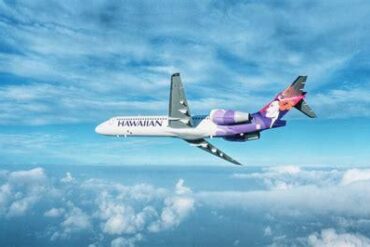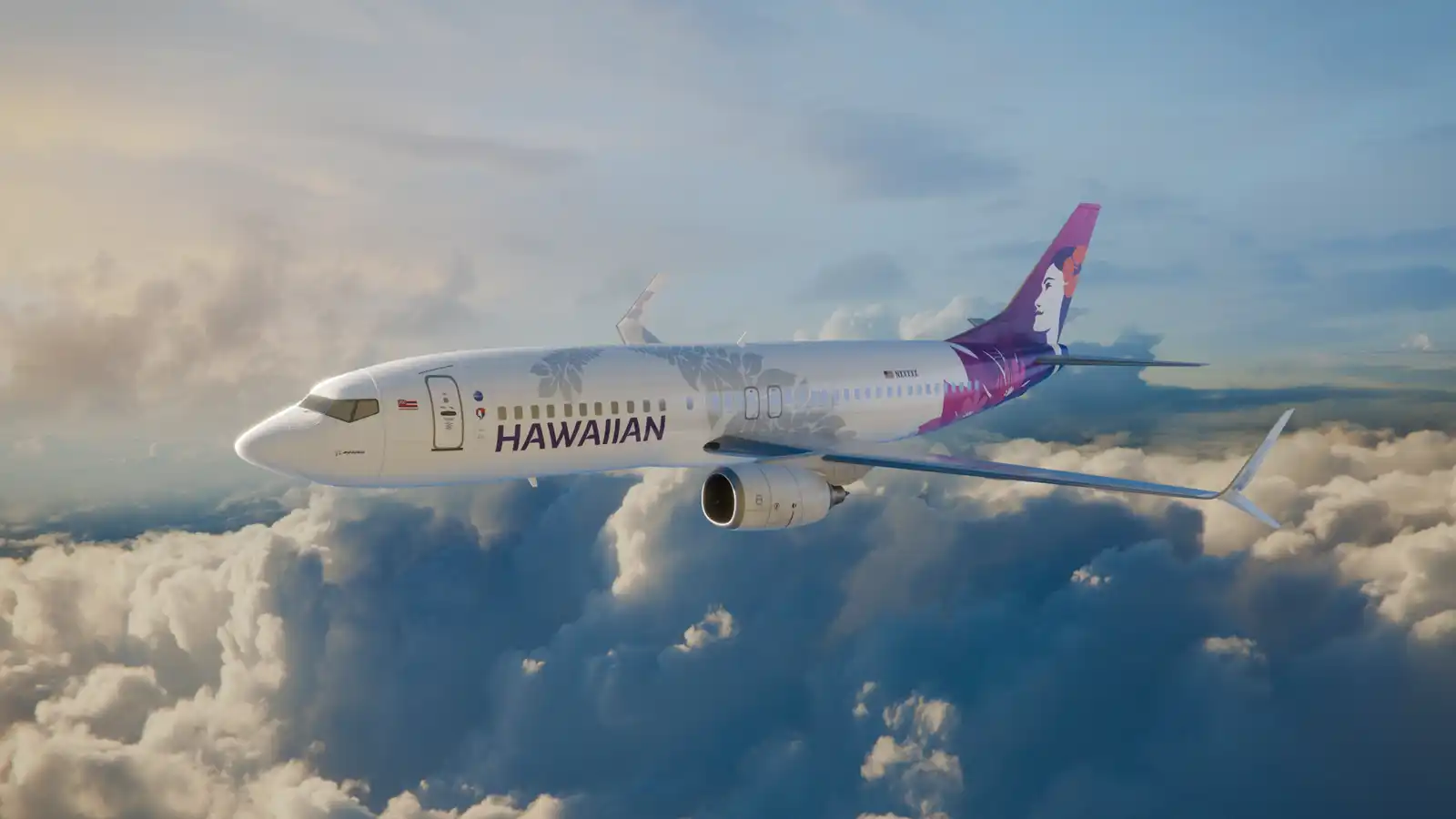
Hawaiian Airlines is preparing for a major transformation of its Neighbor Island operations as its aging Boeing 717-200 fleet is set to be replaced by the larger Boeing 737-800. The transition, announced by Alaska Airlines following its merger with Hawaiian Airlines, will introduce a newer aircraft generation to one of the world’s most unique short-haul airline networks.
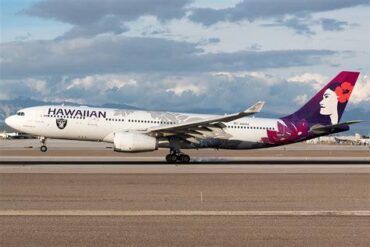
The Boeing 717 has played a defining role in Hawaiian Airlines’ history, becoming the backbone of flights connecting the Hawaiian Islands. Its compact size, rear-mounted engines, and ability to handle frequent takeoffs and landings made it exceptionally well suited for routes such as Honolulu to Kahului, Kona, Lihue, and Hilo. However, many of these aircraft are now more than two decades old, creating the need for a long-term replacement strategy.
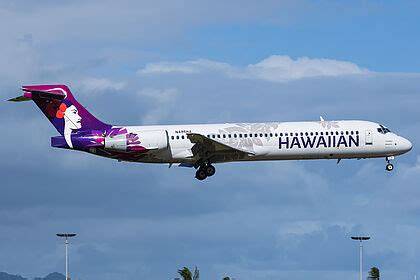
The upcoming fleet change will allow Hawaiian Airlines to inherit a proven aircraft type without requiring a costly order for brand-new jets. Alaska Airlines plans to transfer a dedicated group of Boeing 737-800 aircraft into Hawaii operations, where Hawaiian pilots and cabin crews will continue operating the flights. The first stages of the transition are expected to begin in 2028, while limited 737-800 service will start earlier to support immediate capacity needs.
Why the Boeing 737-800 Is Replacing the Boeing 717
The decision reflects the changing demands of Hawaii’s inter-island aviation market. Although the Boeing 717 has been highly reliable, the Boeing 737-800 offers significant advantages in passenger capacity, cabin comfort, technology, and long-term operational flexibility.
According to current fleet information, Hawaiian Airlines operates 19 Boeing 717-200 aircraft with an average age of approximately 24.5 years. Meanwhile, Alaska Airlines’ Boeing 737-800 fleet has an average age of around 18.3 years, making these aircraft younger while also providing substantially more space.
The capacity increase is one of the most noticeable improvements. The Boeing 717-200 typically seats 128 passengers, while the Boeing 737-800 configuration planned for Hawaii can accommodate 161 passengers. This represents nearly 26% more seating capacity, allowing Hawaiian Airlines to transport more travelers during busy periods while maintaining frequent service schedules.
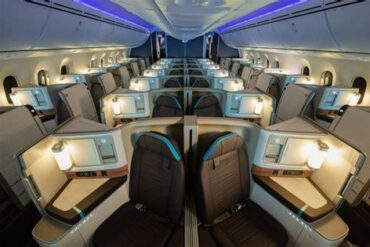
The larger aircraft also introduces a stronger premium offering. The Boeing 717 has eight first-class seats and no dedicated premium economy section. In contrast, the Boeing 737-800 provides 16 first-class seats and 30 Premium Class seats with additional legroom, creating more options for travelers seeking enhanced comfort.
A New Aircraft Designed for Hawaii’s Unique Routes
Inter-island flying in Hawaii presents operational challenges unlike typical short-haul networks. Flights are often extremely short, but aircraft must perform numerous daily cycles involving repeated departures and landings. The Honolulu-Kahului route, for example, covers only about 101 miles but requires multiple daily rotations.
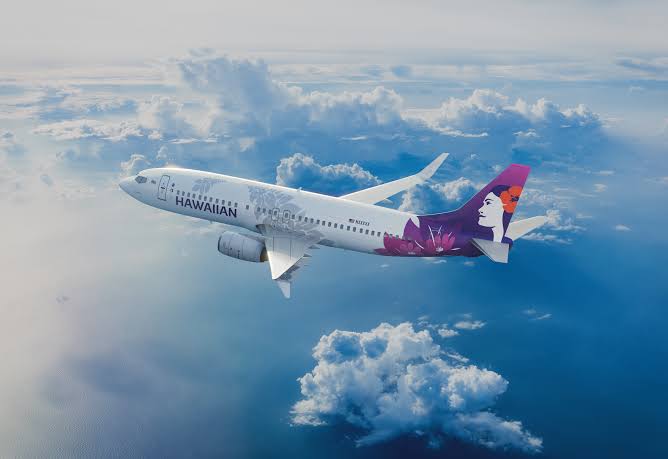
Alaska Airlines emphasized that the Boeing 737-800’s airframes and engines are capable of handling the demanding cycle requirements of Hawaiian operations. The aircraft will also provide additional cargo capacity, an important feature for Hawaii’s transportation network. More cargo space will help accommodate items such as surfboards, local goods, and other supplies frequently carried between islands.
The replacement program also aims to preserve Hawaiian Airlines’ identity. While Alaska Airlines owns the aircraft and manages the broader fleet strategy, the company has highlighted that Hawaiian employees, local expertise, and cultural traditions will remain central to the operation.
Hawaiian Airlines CEO Diana Birkett Rakow described the decision as part of a commitment to strengthen the airline’s long-term presence in Hawaii while maintaining the service values that have defined the carrier for nearly a century.
The Boeing 717’s Final Years in Hawaiian Service
Before retirement, the Boeing 717 continues to operate thousands of flights throughout the Hawaiian Islands. Current scheduling data shows that the aircraft remains heavily utilized, with thousands of monthly flights connecting Hawaii’s major airports.
The Honolulu-Kahului route remains the busiest Boeing 717 operation, with hundreds of scheduled rotations each month. Other important routes include Honolulu to Lihue, Kona, and Hilo, along with services between neighboring islands such as Kahului-Kona and Kona-Lihue.
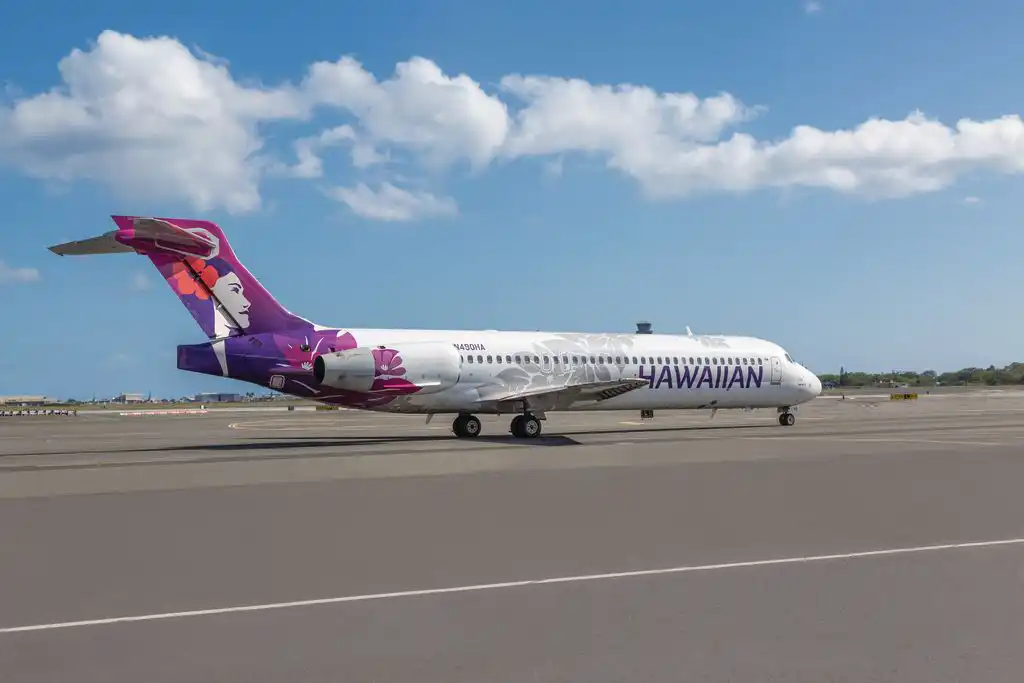
The aircraft’s role has been significant because few commercial jets are as specialized for frequent short-distance flying as the Boeing 717. Its small size allowed Hawaiian Airlines to maintain high-frequency schedules while matching passenger demand on routes where larger aircraft would often be inefficient.
However, the arrival of the Boeing 737-800 represents a shift toward greater efficiency and improved passenger experience. With more seats, upgraded interiors, expanded cargo capability, and newer airframes, the aircraft is expected to provide Hawaiian Airlines with additional flexibility for decades of inter-island operations.
The transition marks the end of an important chapter for the Boeing 717 in Hawaii while beginning a new era built around the Boeing 737-800. For travelers between the islands, the change will bring more space, improved amenities, and a modernized flying experience while preserving the connectivity that has made Hawaiian Airlines an essential part of life in Hawaii.