Anchorage is rapidly becoming a more connected aviation hub as Hawaiian Airlines and Alaska Airlines commit to expanding their nonstop service offerings this summer. From mid-June through August, these two major carriers will add 15 new nonstop flights from Ted Stevens Anchorage International Airport (ANC), reshaping access between Alaska, the lower 48, and international destinations. This move signals not only a response to passenger demand but also a strategic expansion to capture growing cargo and tourism flows through Anchorage.
Hawaiian Airlines Increases Wide-Body Capacity Between Anchorage and Seattle
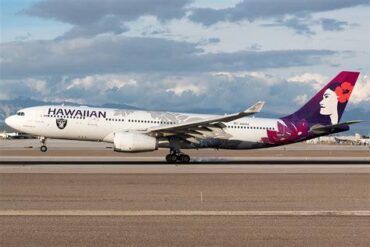
Starting June 12, Hawaiian Airlines (HA) will operate twice-daily flights between Anchorage and Seattle-Tacoma International Airport (SEA) using wide-body aircraft, a major capacity upgrade over narrow-body jets. The airline’s use of Airbus A330 aircraft significantly boosts both passenger seat availability and freight haul.
Hawaiian’s A330s are renowned for their generous belly cargo capacity, and this increase allows HA to inject “tens of thousands of pounds of belly cargo capacity” daily into the Alaska-to-Seattle corridor. This isn’t just a win for leisure travelers heading to Hawaii or Seattle — it’s a vital economic link for goods moving out of Alaska’s resource-heavy economy to broader domestic and international markets.

The enhanced cargo potential, coupled with the summer travel season, positions Anchorage as a vital hub in Hawaiian’s 130-city global network. The boost to cargo operations also aligns with HA’s broader international ambitions, as it integrates Anchorage into its longer-haul transpacific strategy, centered around Seattle.
Alaska Airlines Adds Nonstop Connections to Major U.S. Cities
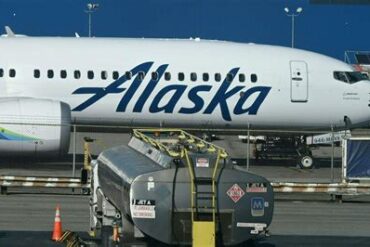
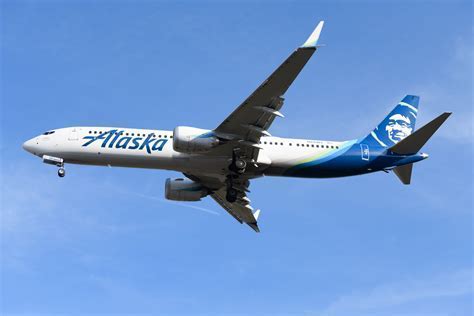
In parallel, Alaska Airlines (AS) is intensifying its dominance in the Anchorage market. Operating “at least 18 nonstops between Anchorage and Seattle” daily, the airline is reinforcing what has historically been one of its most crucial routes. But beyond Seattle, Alaska Airlines is opening a constellation of nonstop links to 14 additional cities across the U.S.
Anchorage passengers will benefit from daily direct access to urban and economic centers such as:
- Chicago O’Hare (ORD)
- New York John F. Kennedy (JFK)
- Portland (PDX)
- Detroit (DTW) (new)
- Sacramento (SMF) (new)
The introduction of Detroit and Sacramento marks a strategic expansion into underserved transcontinental corridors. Detroit, in particular, provides Alaskans with direct access to the industrial heartland and a Delta hub for onward connections, while Sacramento connects the state to California’s political and agricultural core.
Strategic Implications: Anchorage’s Evolving Role in U.S. Air Networks
With both Hawaiian and Alaska Airlines making bold moves, Anchorage is emerging as more than just a stopover or seasonal destination. It is becoming a critical nexus for both leisure and logistics, standing at the intersection of North American and Asia-Pacific air traffic.
For Hawaiian Airlines, Anchorage offers an effective northern point of access into the continental U.S. from Asia. This is particularly important as HA ramps up its international long-haul service. Currently, the carrier operates a daily Seattle–Tokyo Narita (NRT) route using A330 aircraft. In fall 2025, it will launch a new nonstop connection to Incheon International Airport (ICN) in Seoul — part of HA’s bid to establish Seattle as a viable transpacific springboard.
Anchorage, then, becomes both a catchment and feeder point for passengers and cargo bound for Asia. These moves are expected to be followed by additional Pacific Rim destinations as Hawaiian secures further regulatory clearances.
Comments from Alaska Airlines: Cargo Capacity as a Growth Driver
According to Ian Morgan, Alaska Airlines’ Vice President of Cargo, the push to increase frequencies and widen geographic reach is not just about passenger demand — it’s about maximizing logistics.
“The Alaska and Hawaiian Air cargo teams have done a ton of work to ensure we’re maximizing opportunities to grow cargo everywhere we fly,” Morgan stated. “Utilizing the wide-body fleet on new markets unlocks significant cargo potential, which allows us to diversify what we offer the communities we serve.”
This is an acknowledgment that cargo revenues are now on par with, or even exceeding, certain passenger income streams on select routes. Morgan’s comments highlight how the strategic deployment of wide-body aircraft — typically used for international routes — is opening new market dynamics in domestic U.S. operations.
Operational Synergy Between Alaska and Hawaiian Airlines
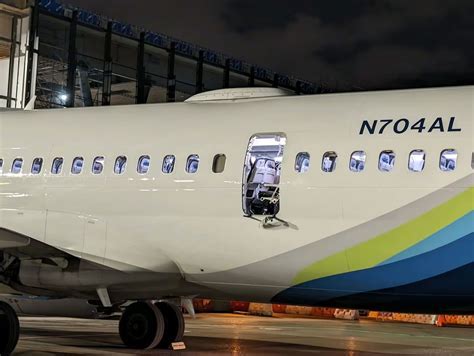
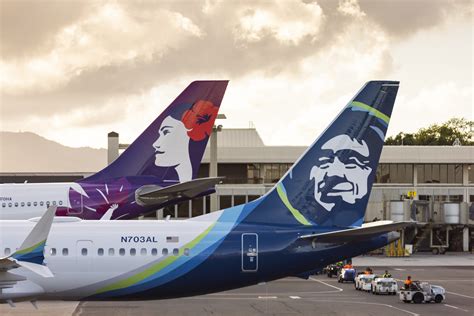
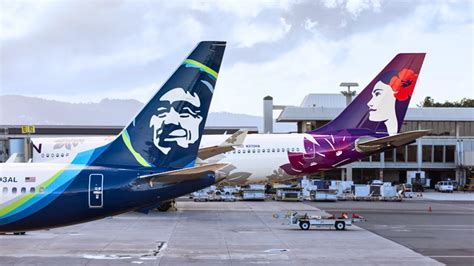
While both airlines are still operating independently, their recently announced merger — currently under regulatory review — makes these strategic alignments even more significant. While they are not yet co-branded or jointly operating routes, there are signs of converging strategy, especially in cargo logistics, fleet deployment, and international gateway development.
Seattle is central to this synergy. With both airlines intensifying their use of SEA as a hub, and with Anchorage feeding into that system, the groundwork is being laid for a post-merger integrated Pacific network. Cargo interlining agreements, coordinated flight schedules, and potentially shared fleet usage could unlock greater route flexibility and cost efficiencies.
Alaska’s Summer Push: Meeting High Seasonal Demand
The summer season is especially critical in Alaska’s aviation economy. Passenger volume spikes due to both outbound travel and tourism inflows, particularly from cruise ship passengers entering via Anchorage and Fairbanks. Alaska Airlines, with its extensive state-wide network and loyalty among local residents, uses this period to launch and test new routes.
Offering nonstop service to 15 major destinations from Anchorage gives the carrier a competitive edge not only over other domestic operators but also over legacy carriers that rely on connecting flights via hubs. For passengers, the ability to bypass layovers translates to reduced travel times and stronger incentive to choose Alaska Airlines for their summer plans.
Outlook: Positioning for Long-Term Growth Beyond Summer 2025
While the current announcements target the June to August travel window, industry insiders view this expansion as a pilot test for longer-term strategic realignment. Anchorage is likely to maintain at least some of these added connections into the shoulder seasons if load factors remain strong.
Moreover, the freight corridor between Anchorage and Seattle, now served by Hawaiian’s wide-body aircraft, could become permanent if cargo volumes sustain profitability. As e-commerce and perishable goods logistics grow across the North Pacific, Anchorage’s proximity to Asia and central location in the northern hemisphere make it a natural air logistics gateway.
Should the Alaska-Hawaiian merger be approved, this pattern of collaborative growth and route expansion is expected to intensify. Joint planning could lead to broader global connections and better integration with Asian and Oceania aviation markets.
Conclusion: Anchorage as a Rising Star in U.S. Aviation
Anchorage is stepping into a new role as a multi-modal hub connecting North America to Asia, driven by the aggressive route expansions of Alaska and Hawaiian Airlines. With 15 new nonstops this summer, including key links to Detroit, Sacramento, and Tokyo, ANC is fast becoming a critical node in transpacific and domestic aviation.
For passengers, this means more direct routes, fewer layovers, and more options. For shippers, it signals increased capacity and faster delivery times. For the airlines themselves, Anchorage offers a unique leverage point for growth in a competitive landscape. All signs point to this summer being a transformative season for air connectivity in the Last Frontier.