London Heathrow Airport is preparing to resubmit ambitious but scaled-back expansion plans for its long-debated third runway. These updated proposals reflect a strategic shift in approach that prioritizes cost efficiency, airline cooperation, and minimized disruption, as the airport aims to secure planning permission and move forward with construction by 2035.
Rethinking Expansion: A Cost-Sensitive Shift in Strategy
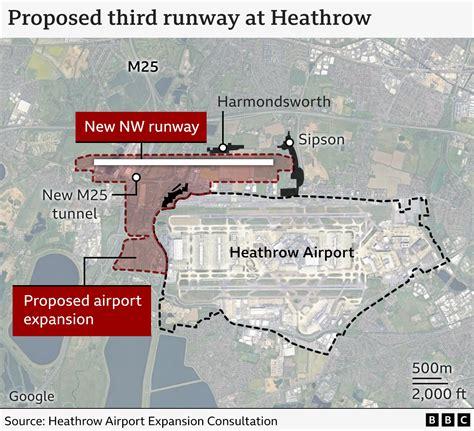
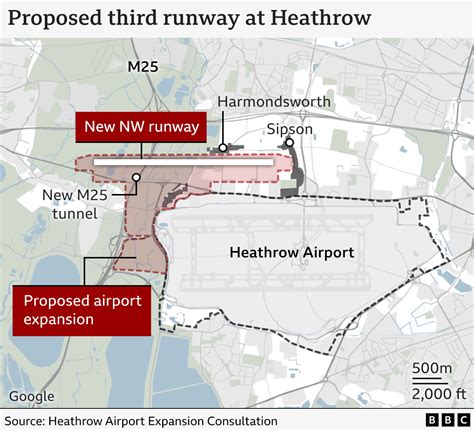
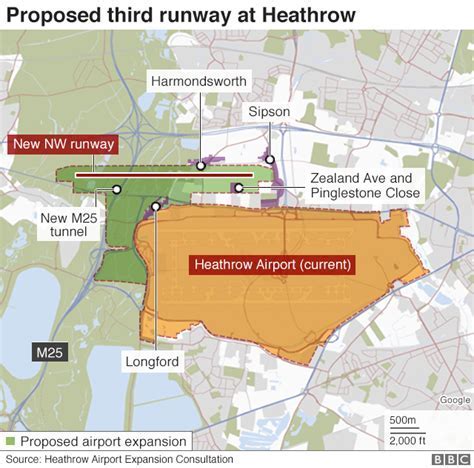
The original vision for a third runway at Heathrow, unveiled over a decade ago, had aimed high—with a full-length northwestern runway that required the rerouting of a two-mile section of the M25 motorway, the demolition of 750 homes, and a price tag nearing $19 billion (£14 billion) in 2014.
But after the pandemic derailed plans in 2020 and forced a pause, the climate around the project has changed. Industry estimates now place the expansion costs between $68 billion (£50 billion) and $81 billion (£60 billion), drawing serious concern from airlines like British Airways and Virgin Atlantic, who have warned that exorbitant construction costs could lead to skyrocketing landing fees and increased airfares.
In response, Heathrow is now proposing a shorter, more affordable runway configuration. This would eliminate the need to tunnel under the M25, one of the UK’s busiest motorways, drastically reducing both construction complexity and financial burden.
The Role of the Airlines: A Collaborative Design Process
Heathrow’s new chief executive, Thomas Woldbye, has emphasized the importance of close consultation with airlines. In his remarks to The Telegraph, he stated:
“Length of runway is something we will be discussing with airlines. It does not necessarily have to be final in the plan next week. We want to build what our airline customers want to use.”
This collaborative tone marks a shift from previous expansion plans that met resistance from airline partners over cost concerns. Under the new framework, airlines will have a voice in finalizing runway specifications, from length to design layout, ensuring the infrastructure matches operational requirements while avoiding overbuilding.
Avoiding the M25 Tunnel: A Game-Changer in Cost Control
The most significant cost-cutting measure under consideration is the elimination of the M25 tunnel. In the earlier design, this tunnel alone would have required an intricate two-mile underground diversion—a feat that would demand massive excavation, prolonged traffic disruption, and astronomical costs.
Instead, the revised proposal seeks to work around the M25 by rerouting the runway footprint and considering slightly reduced runway length to avoid intersecting the motorway altogether. This single design pivot could save billions in construction costs and months—if not years—of construction-related delays.
Unique Challenges of Building in a Densely Populated Zone
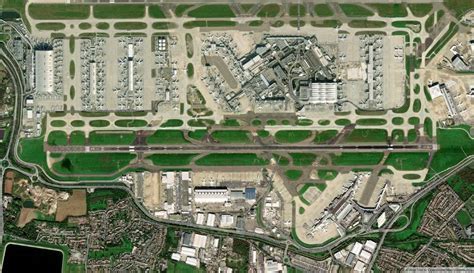
Unlike many international hub airports built in open fields or on reclaimed land, Heathrow sits just 16 miles west of central London, surrounded by dense residential zones, schools, businesses, and tightly woven infrastructure.
Thomas Woldbye addressed this issue candidly in a Financial Times interview:
“If any other airport were to build the kind of airport that Heathrow is, in the middle of London, they would cost the same. Building a new runway in the center of London isn’t going to be cheap. That’s just the nature of it.”
Even with a reduced runway length, Heathrow would still need to acquire and clear significant land parcels, deal with strict environmental regulations, and relocate affected communities—realities that inevitably inflate project costs.
Timeline and Regulatory Hurdles: A Race Against the Election Clock
Heathrow’s leadership is targeting a tight political window to gain planning approval before the UK’s next general election. By submitting their new proposals to the government by July 31, airport executives aim to begin the Development Consent Order (DCO) process, which is required under the UK’s National Infrastructure Planning regime.
This approval process could take several years, and any delays could risk resetting the entire project under a new administration—particularly if expansion faces political opposition.
The airport is confident that its revamped proposal, now stripped of the most contentious elements, will stand a better chance of obtaining the green light from both regulators and stakeholders.
Passenger Growth Fuels Expansion Urgency
Despite lingering opposition, Heathrow’s explosive growth underscores the urgent need for expanded capacity. The airport reported a record-breaking 39.9 million passengers in the first half of 2025, driven by surging demand for flights to Asia-Pacific, the Middle East, and consistent transatlantic traffic.
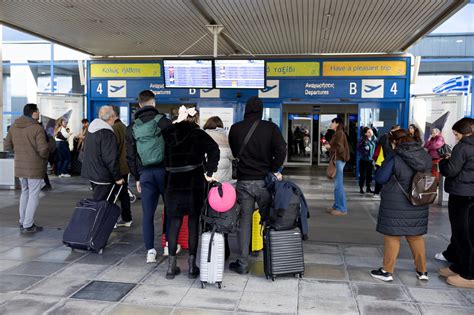
Cargo trade also rose 2.4% year-over-year, adding to the airport’s logistical demands. Heathrow now forecasts serving over 84 million passengers by year’s end, potentially pushing the existing two-runway configuration beyond sustainable limits.
Without expansion, Heathrow faces growing congestion issues, delayed slot allocations, and rising dissatisfaction among airlines struggling to meet demand.
A Funding Model Without Taxpayer Burden
One of the most politically palatable aspects of the new proposal is that Heathrow’s expansion will be privately financed. The airport has pledged not to seek public funding, positioning the project as an investor-backed infrastructure upgrade rather than a taxpayer-funded development.
This financing approach strengthens its appeal to regulators and the general public, particularly in a climate of tight fiscal scrutiny and public skepticism about large-scale government spending.
Heathrow’s plan is to fund the expansion through a mix of private capital, institutional investors, and future airport revenue, while maintaining competitive landing fees to avoid burdening airline partners.
Environmental and Community Considerations
While the new configuration avoids some of the most disruptive aspects of previous proposals, concerns remain. Environmental groups have consistently raised alarms about the carbon emissions, noise pollution, and community displacement associated with expanding the airport.
The updated plan is expected to include extensive environmental impact assessments, along with mitigation measures such as:
- Noise insulation programs for affected communities
- Green construction standards
- Carbon offset initiatives tied to Heathrow’s broader sustainability goals
- Community compensation schemes for those required to relocate
These factors will be key to securing planning approval, particularly given the growing pressure on infrastructure developers to align with the UK’s net-zero emissions targets.
Political and Public Opinion: A Divisive Legacy
The third runway at Heathrow has long been a political hot potato. Though previously granted provisional approval in 2018, the plan was mired in legal challenges and opposition from environmental activists, local councils, and MPs—even members of the current Conservative and Labour parties.
Public sentiment remains divided. Supporters argue that expansion is vital to maintain the UK’s global connectivity and economic competitiveness, while opponents fear irreversible damage to local communities and the climate agenda.
Yet the new iteration of the proposal, by shedding its most controversial elements, may find a more receptive audience. By focusing on modest, efficient design, engaging airlines, and eliminating taxpayer risk, Heathrow aims to thread the political needle and finally move forward.
What Comes Next: Heathrow’s Path to 2035
If Heathrow secures government approval by 2026, construction could begin within two to three years, with a projected opening date around 2035. The airport has stressed that no major groundwork will proceed without full regulatory endorsement and airline backing.
Over the next year, Heathrow will engage in an intensive stakeholder consultation process, including:
- Public hearings and environmental review submissions
- Regulatory feedback sessions with the Civil Aviation Authority (CAA)
- Detailed technical assessments on airspace reconfiguration and ground traffic flows
This multi-stage process will determine whether Heathrow’s long-delayed third runway can finally take off.
Conclusion: A New Chapter in UK Aviation Infrastructure
Heathrow’s revised third runway expansion marks a strategic and measured reboot of one of the UK’s most controversial infrastructure projects. By prioritizing collaboration, cost-efficiency, and public accountability, the airport seeks to balance growth with responsibility—while delivering the runway capacity needed to secure the future of British aviation.
Whether this will be enough to overcome entrenched resistance and regulatory scrutiny remains to be seen. But with passenger demand soaring and London’s global hub under pressure, Heathrow’s gamble on a smarter runway may prove to be both necessary and inevitable.