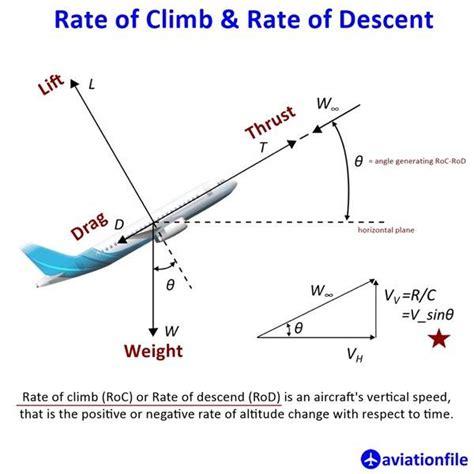
Modern aircraft are designed to achieve high rates of climb and descent. These vertical rates enhance fuel efficiency and provide flexibility in airspace usage. After takeoff, climbing quickly helps reduce noise, benefiting those living near airports. However, these high rates can lead to some challenges. For instance, they may trigger unnecessary alerts from the Airborne Collision Avoidance System (ACAS). During landing, a steep descent can contribute to unstable approaches, which is a safety concern.
While high vertical rates allow air traffic controllers to manage traffic more effectively, they also risk activating unwanted TCAS alerts. This could result in pilots deviating from their current clearance, potentially causing confusion. To manage these situations better, well-designed Standard Operating Procedures (SOPs) are essential. These guidelines help pilots utilize high vertical rates while avoiding excessive rates that lead to alerts. Reducing the vertical rate to 1500 feet per minute or less at least 1000 feet before reaching the cleared level can help avoid many of these unnecessary alerts.
Additionally, airspace design plays a crucial role in preventing simultaneous horizontal and vertical convergence of aircraft, which can exacerbate these issues. Addressing contributory factors like inadequate SOPs is vital. Solutions include reviewing and improving existing procedures, ensuring adherence to SOPs, and providing thorough training for both controllers and pilots. By focusing on these areas, we can enhance safety and efficiency in aviation operations.