Airbus aircraft deliveries are more than a scorecard; they are the visible end of a long industrial pipeline that stretches from supplier ecosystems to final assembly lines and, finally, to airline fleets around the world. Each handover represents years of engineering, certification, financing, and scheduling. When analysts ask how many new aircraft Airbus delivers annually, they are really asking how resilient the manufacturer is, how healthy airline demand looks, and how well the global supply chain is functioning under pressure.
In the post-pandemic era, Airbus has emerged as the world’s most consistent commercial aircraft producer. Annual deliveries have climbed steadily, driven by relentless demand for fuel-efficient single-aisle jets and a measured recovery in long-haul travel. The numbers tell a story of scale, discipline, and strategic focus, with narrowbody aircraft doing most of the heavy lifting while widebodies regain momentum more slowly.
The most recent delivery figures confirm this trajectory. Airbus closed 2025 with 793 commercial aircraft delivered to 91 customers worldwide, a total that places the company just shy of its pre-COVID highs and firmly ahead of its main rival. This annual output is not an isolated spike; it reflects a multi-year recovery built on expanded production capacity, cautious rate increases, and strong airline confidence returning across key markets.
Airbus Annual Delivery Numbers Explained
When discussing annual Airbus deliveries, it is important to separate orders from deliveries. Orders indicate future demand, while deliveries reflect actual manufacturing throughput and operational execution. In 2025, Airbus demonstrated that its delivery machine is running with increasing efficiency, even as suppliers continue to face labor shortages, logistics disruptions, and component bottlenecks.
The 793 aircraft delivered in 2025 represent a year-on-year increase from 766 deliveries in 2024, continuing a pattern of gradual but reliable growth. Rather than chasing aggressive short-term targets, Airbus has prioritized delivery stability, ensuring aircraft are completed, certified, and handed over without the quality lapses that have plagued parts of the industry in recent years.
What stands out is the composition of those deliveries. More than three-quarters were single-aisle jets from the A320 family, underscoring how central narrowbodies are to Airbus’s annual delivery totals. This concentration is not a weakness; it reflects airline strategies that favor flexibility, frequency, and lower unit costs over sheer size.
A320neo Family: The Backbone of Airbus Deliveries
The Airbus A320 family dominates the company’s annual delivery figures, and 2025 was no exception. Out of 793 aircraft, 607 were A320 family jets, cementing the type’s role as the world’s most delivered commercial aircraft platform. This family includes the A319neo, A320neo, and the highly sought-after A321neo, each tailored to different capacity and range requirements.
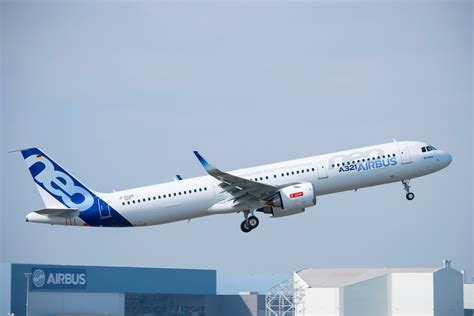
The breakdown reveals where airline demand is strongest. Only 15 A319neos were delivered, reflecting limited appetite for the smallest variant. The A320neo accounted for 205 deliveries, while the A321neo led the pack with 387 aircraft delivered. The numbers illustrate a structural shift in airline fleets toward larger, longer-range narrowbodies capable of replacing older widebodies on thinner routes.
This surge in A321neo deliveries is closely tied to its economics. Airlines value its higher seating capacity, extended range, and compatibility with constrained airports. For Airbus, the aircraft’s popularity justifies heavy investment in production capacity, including new final assembly lines that directly influence annual delivery ceilings.
Global Assembly Lines and Production Capacity
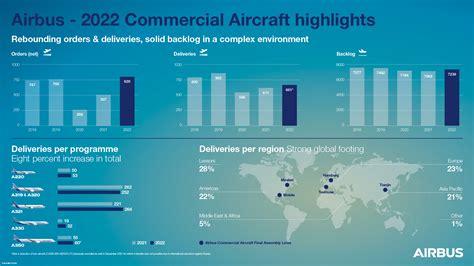
Airbus’s ability to deliver nearly 800 aircraft annually is rooted in its geographically distributed manufacturing system. By 2025, the company operated ten A320 family final assembly lines across Europe, Asia, and North America. Two new lines, one in Mobile, Alabama, and another in Tianjin, China, came online to relieve pressure on existing facilities and shorten delivery timelines for regional customers.
This global footprint allows Airbus to scale output while hedging against regional disruptions. It also positions the manufacturer closer to its largest airline markets, improving logistics efficiency and customer responsiveness. The expansion of final assembly capacity is a direct enabler of higher annual delivery numbers, particularly as Airbus targets monthly A320 production rates well above historical norms.
While the infrastructure is in place, Airbus has remained cautious about ramping up too quickly. Annual delivery growth has been incremental, reflecting lessons learned from past overextensions and a desire to keep quality control airtight.
A220 Deliveries and the Strategic Middle Ground
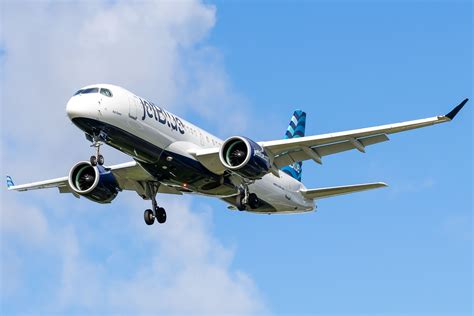
The Airbus A220 occupies a unique space between regional jets and larger single-aisle aircraft, and its contribution to annual deliveries is steadily increasing. In 2025, Airbus delivered 93 A220s, up from 75 aircraft in 2024, marking one of the fastest growth rates within the portfolio.
The majority of these deliveries were A220-300 variants, with only a handful of A220-100s handed over. Airlines clearly favor the larger model for its superior seat-mile economics and operational flexibility. This trend aligns with broader industry preferences for aircraft that can serve both high-frequency short routes and longer, thinner sectors.
Airbus has made no secret of its ambitions for the A220 program. Production targets call for 12 aircraft per month by mid-2026, rising to 14 per month by year-end, a ramp-up that will materially influence future annual delivery totals. If executed successfully, the A220 could account for a much larger share of Airbus’s yearly output in the latter half of the decade.
Widebody Aircraft and Slower Recovery Rates
While narrowbodies dominate Airbus annual deliveries, widebody aircraft remain essential to the company’s long-term strategy. In 2025, Airbus delivered 36 A330s and 57 A350s, figures that reflect a cautious but ongoing recovery in long-haul demand.
The A330 deliveries were overwhelmingly A330-900neo aircraft, with just a single A330-800neo delivered during the year. Two legacy A330-200s went to government customers, highlighting how commercial demand has shifted almost entirely toward the neo variants. Compared with the A330’s mid-2010s peak, when annual deliveries exceeded 100 aircraft, current volumes remain subdued.
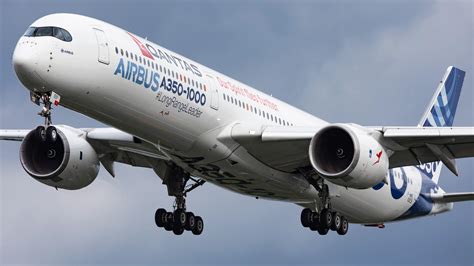
The A350 program tells a similar story. Deliveries in 2025 were evenly split between A350-900s and A350-1000s, demonstrating sustained interest across capacity segments. However, the total remains well below pre-pandemic highs, when Airbus delivered more than 110 A350s annually. Engine availability, supply-chain constraints, and airline caution around long-haul expansion have all tempered delivery rates.
Historical Context: Pre- and Post-Pandemic Airbus Deliveries
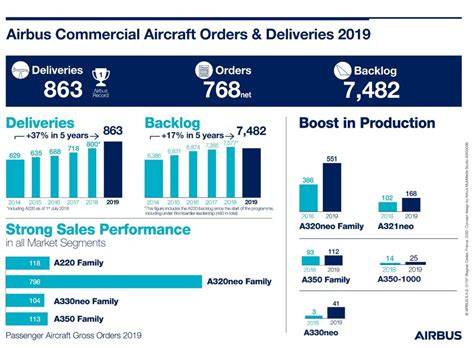
To understand how many aircraft Airbus delivers annually today, it helps to view recent figures against a longer timeline. In 2019, Airbus reached a record 863 deliveries, followed by 800 aircraft in 2018. These years represent the high-water mark of pre-pandemic production.
The COVID-19 crisis sharply reduced output, with deliveries falling to 566 aircraft in 2020. Since then, Airbus has added roughly 30 additional deliveries per year, climbing steadily back toward historical norms. The 793 aircraft delivered in 2025 stand as the strongest post-pandemic result, even if they do not yet surpass the 2019 record.
This recovery pattern highlights Airbus’s emphasis on resilience over speed. Rather than chasing a rapid return to peak volumes, the manufacturer has rebuilt its delivery cadence methodically, ensuring suppliers and internal processes can sustain higher output over the long term.
Airline Confidence and Fleet Renewal Demand
One of the strongest drivers behind Airbus’s annual delivery numbers is renewed airline confidence. As passenger traffic rebounded across short- and medium-haul markets, carriers moved quickly to reactivate deferred fleet renewal plans. Fuel efficiency, emissions performance, and maintenance economics have become decisive factors in aircraft selection.
Airbus’s product lineup aligns closely with these priorities. The A320neo and A220 families offer double-digit fuel burn improvements over previous generations, making them attractive replacements for aging fleets. For airlines operating on thin margins, these efficiency gains translate directly into cost savings and competitive advantage.
This confidence is visible not only in deliveries but also in order books. Large, multi-year commitments provide Airbus with the production visibility needed to plan higher annual delivery rates, reinforcing a virtuous cycle of demand and output.
Airbus vs Boeing: Annual Delivery Comparison
In 2025, Airbus delivered approximately 300 more aircraft than Boeing, reinforcing its position as the world’s leading commercial aircraft manufacturer by volume. While Boeing delivered around 600 jets, Airbus’s total of 793 aircraft reflects both stronger narrowbody output and fewer production disruptions.
This gap does not solely reflect product preference; it also mirrors Boeing’s prolonged recovery from regulatory scrutiny and quality control challenges. Airbus’s steadier production environment has allowed it to convert its order backlog into actual deliveries more efficiently.
Interestingly, Boeing outperformed Airbus in net new orders during the same year, signaling competitive dynamics that may influence future delivery standings. For now, however, Airbus’s annual delivery figures remain the industry benchmark.
What to Expect From Airbus Annual Deliveries Going Forward
Looking ahead, Airbus is positioned to increase annual deliveries further, potentially approaching or exceeding pre-pandemic levels within the next few years. Entering 2026, the company held a backlog of 8,665 aircraft, providing years of production visibility and financial stability.
Management has reiterated ambitions to push A320 family production toward 75 aircraft per month, a rate that would significantly lift annual delivery totals if sustained. Combined with rising A220 output and stable widebody demand, this trajectory points toward close to 900 deliveries annually in the near term, even if official targets are adjusted conservatively.
The limiting factors will remain supply-chain resilience and engine availability, particularly for widebodies. Even so, Airbus’s measured approach suggests future delivery growth will be durable rather than volatile.
Why Annual Airbus Deliveries Matter to the Industry
Annual delivery figures are more than a headline statistic. They influence airline capacity planning, leasing market dynamics, and investor confidence across the aviation sector. For Airbus, each incremental increase in annual deliveries strengthens its economies of scale and reinforces its leadership position.
In practical terms, knowing how many new aircraft Airbus delivers annually offers insight into where the market is heading. The dominance of narrowbodies signals sustained growth in point-to-point travel, while the gradual return of widebody deliveries hints at a longer, steadier recovery in global long-haul networks.
As the industry continues to rebalance after unprecedented disruption, Airbus’s annual delivery performance stands as a reliable indicator of commercial aviation’s broader health.