When flying through cold, moisture-laden air, one of the greatest threats to small aircraft is the rapid accumulation of ice. Without an effective method to prevent or manage icing, flights can be delayed, rerouted, or even endangered. TKS systems offer an advanced, highly reliable solution to this problem, combining engineering precision with aerodynamic efficiency.
Understanding the Basics of a TKS System
At the core of every TKS system is the goal of preventing ice adhesion to the aircraft’s critical surfaces. Unlike reactive deicing systems that break off accumulated ice, TKS works proactively, forming a protective barrier against ice buildup. Named after Tecalemit-Kilfrost-Sheepbridge Stokes, the original developers, this system earned the nickname “weeping wing” — though its protection extends far beyond just the wings.
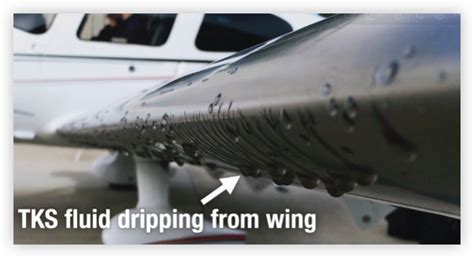
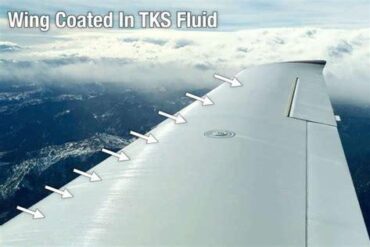
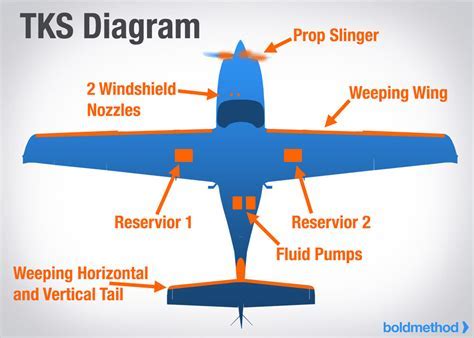
The method relies on an ethylene glycol-based fluid, a specialized anti-icing agent that prevents water molecules from crystallizing into ice. This fluid is distributed across the aircraft surfaces through an ingenious network of pumps, ducts, and thousands of microscopic holes embedded in titanium leading edges.
The Fluid Reservoir and Pumping Mechanism
The journey of the TKS fluid begins in the reservoir tanks, usually located within the fuselage or wing roots. These tanks are meticulously designed to hold a substantial volume of fluid, providing endurance for flights through known icing conditions. A single high-reliability pump, or a set of pumps for redundancy, pressurizes the fluid and distributes it to the critical points across the aircraft.
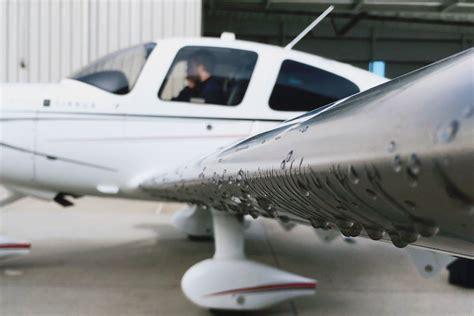
From the reservoirs, the fluid flows through a network of flexible, insulated ducts to the titanium leading edges on the wings, horizontal stabilizer, and vertical stabilizer. These metal surfaces are engineered with precision-drilled microperforations, allowing the fluid to seep outward at a finely regulated rate. As the aircraft advances through the airstream, the fluid is carried rearward by aerodynamic forces, forming an even, thin film that prevents ice from adhering.
Specialized Systems for Propellers and Windscreens
While wings and tail sections benefit from microperforated surfaces, propellers and windscreens require a different strategy. A typical propeller employs a slinger ring system, mounted directly behind the propeller hub. The TKS pump sends fluid into the ring, which, due to its high rotational speed, flings the fluid through strategically placed holes onto the blades.
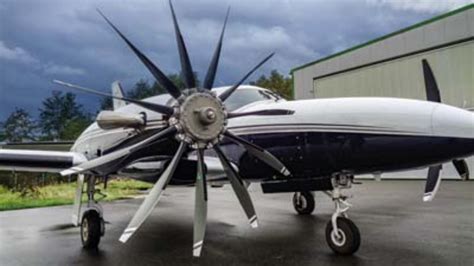
This centrifugal application ensures even coverage, crucial for maintaining aerodynamic efficiency and thrust during icing conditions. Meanwhile, the windscreen is equipped with nozzle sprayers, akin to automotive windshield washers. Positioned at the base of the windscreen, these nozzles deliver a consistent spray of anti-ice fluid when activated, ensuring clear visibility during flight.
In many cases, however, the aircraft’s internal windshield defrost systems sufficiently manage minor ice formation, reducing reliance on fluid spray and conserving TKS reserves for more critical surfaces.
Advantages of the TKS System in Aviation
The TKS anti-icing system offers several notable advantages over traditional deicing technologies, such as pneumatic boots or thermal electric systems. One of the most significant strengths is system simplicity and reliability. With essentially only the pump as the primary moving part, there is less mechanical complexity and thus fewer points of failure.
Additionally, because the TKS fluid flows over and coats all critical surfaces — not just limited zones like pneumatic boots — it provides comprehensive ice protection. This continuous film not only prevents ice from forming on leading edges but also covers surfaces further back, such as control surfaces and aft sections, where runback ice might otherwise accumulate.
Another important advantage is the uniformity of protection. Unlike deice boots, which can cause changes in aerodynamic shape when inflated, TKS maintains the aircraft’s aerodynamics without introducing performance penalties. Furthermore, it is effective against both rime and clear ice, providing pilots with greater flexibility during missions in diverse atmospheric conditions.
Challenges and Limitations of TKS Systems
Despite its numerous strengths, TKS is not without limitations. The primary constraint revolves around fluid endurance. Because the anti-icing capability depends directly on the available volume of TKS fluid, aircraft equipped with these systems must carefully monitor usage rates and flight time in icing conditions.
Depending on flow rate settings and severity of icing, endurance can range typically from one to three hours. Flight planning must account for these limitations, ensuring there is always sufficient reserve fluid to either exit icing conditions or reach an alternate destination safely.
Another limitation includes weight considerations. The full tanks of TKS fluid add significant weight to the aircraft, impacting performance metrics such as range and payload capacity. In small aircraft, every additional pound must be factored carefully into preflight weight and balance calculations.
TKS in Flight: A Practical Example
Imagine an aircraft entering a region identified on a Current Icing Product (CIP) chart — a common graphical tool used by pilots to assess icing potential. If the aircraft is equipped with TKS, the pilot activates the system as the temperature approaches freezing and moisture becomes evident.
Initially, a low flow rate setting may suffice, preserving fluid while providing adequate protection. As conditions worsen, perhaps with the appearance of visible moisture or reports of moderate icing from other aircraft, the pilot can increase the TKS flow rate to ensure the leading edges, propeller, and windshield remain clear.
Throughout the encounter, the pilot monitors fluid levels, engine performance, and visual cues on the airframe to confirm that the system continues to provide full protection. Should the fluid supply dwindle dangerously low, protocol dictates an immediate escape from the icing zone, using pre-identified escape routes or descending to warmer altitudes.
Maintenance and Care of a TKS System
Owning an aircraft with a TKS system entails a unique set of maintenance responsibilities. Regular checks must verify the integrity of the fluid tanks, pumps, and ducting. Microperforated leading edges must be inspected for blockages, corrosion, or damage that could compromise fluid dispersion.
The fluid itself must be carefully managed. TKS anti-ice fluid has a shelf life and should be replaced according to manufacturer guidelines. Furthermore, aircraft parked outdoors must be protected against precipitation that could infiltrate and freeze in the porous leading edges when the system is inactive.
In colder climates, care must be taken to ensure that any residual water or old fluid within the system is thoroughly purged to prevent freezing and potential mechanical damage to the pump or ducts.
The Future of TKS Technology
Ongoing research in aviation anti-icing systems continues to refine and enhance the capabilities of TKS technology. Advances in fluid chemistry aim to produce more environmentally friendly and longer-lasting anti-icing agents. Innovations in manufacturing are enabling finer and more durable microperforations, improving fluid dispersion and system efficiency.
There is also growing interest in integrating TKS systems with automated sensing technologies, allowing aircraft to activate or adjust anti-icing measures dynamically based on real-time meteorological data and airframe conditions.
As aviation moves toward a future with electric aircraft and unmanned aerial vehicles, lightweight, efficient anti-icing systems like TKS will likely become even more essential, ensuring safe, year-round operations across diverse environments.
Conclusion: Mastering Ice with TKS Systems
A TKS system represents one of the most elegant and effective defenses against airborne icing hazards. By forming a protective fluid barrier over all critical flight surfaces, it empowers pilots to venture confidently into challenging winter skies. Despite its operational limitations regarding endurance and weight, the system’s simplicity, reliability, and broad surface protection offer unparalleled advantages. Proper understanding, maintenance, and fluid management are crucial to maximizing the benefits of TKS technology — ensuring that when the temperature drops and the clouds loom heavy, the aircraft remains a sleek, ice-free spear cutting through the storm.