Destroyers remain the backbone of the United States Navy’s surface fleet, balancing speed, endurance, firepower, and flexibility. But one of the most critical questions for naval enthusiasts and defense analysts is: how big is the crew on a US destroyer ship? Understanding crew size not only provides insight into operational demands but also illustrates the complexity of modern naval warfare, from advanced weapon systems to round-the-clock operations.
Evolution of Destroyer Crew Sizes
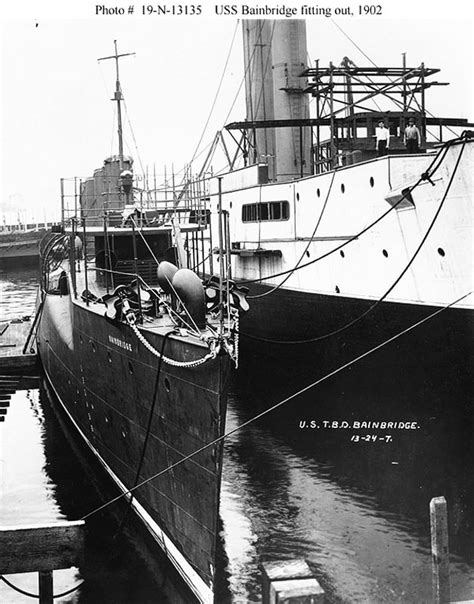
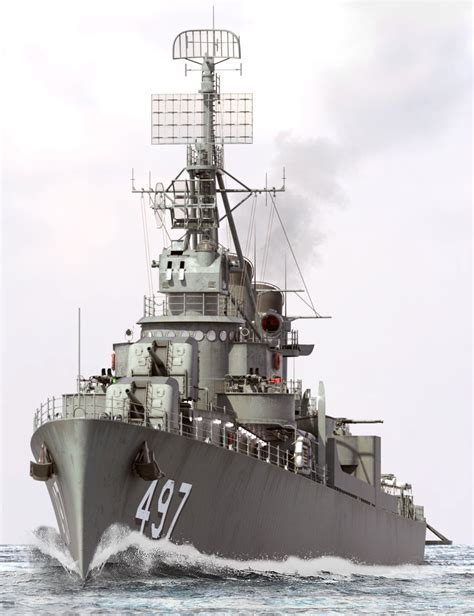
The history of the destroyer began with the USS Bainbridge (DD-1) in 1902, which required just 72 sailors to operate. At the time, destroyers were relatively small ships designed to counter torpedo boats. Over the decades, however, destroyers expanded in size and role, from simple escorts to fully capable multi-role warships tasked with anti-aircraft, anti-submarine, and surface warfare missions.
By World War II, Fletcher-class destroyers carried over 300 personnel due to the increasing complexity of radar, sonar, and gunnery systems. Fast forward to the present, and the Arleigh Burke-class and Zumwalt-class destroyers represent the pinnacle of American naval engineering—each requiring distinct crew complements to function effectively.
Arleigh Burke-Class Destroyer Crew
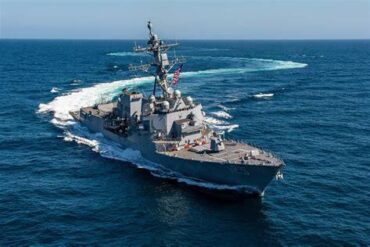
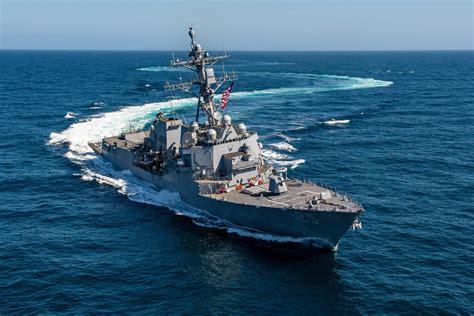
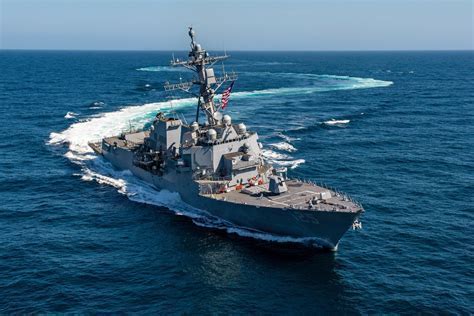
The Arleigh Burke-class destroyer, commissioned in 1991, remains the most numerous and versatile destroyer in service with the US Navy. With over 70 ships commissioned, it is the workhorse of the fleet.
Crew Size
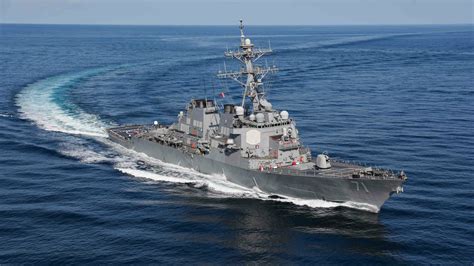
Depending on the variant, the Arleigh Burke-class requires between 303 and 323 sailors. The slight variation in crew numbers arises from differences in configuration, upgrades, and specific operational requirements.
Crew Structure
The crew organization is divided into departments that handle every aspect of ship operations:
- Operations Department: Responsible for navigation, communications, and tactical coordination.
- Engineering Department: Maintains propulsion, electrical systems, and auxiliary equipment.
- Combat Systems Department: Manages weaponry, radar, sonar, and missile systems.
- Supply Department: Ensures logistics, provisions, and supply management for extended deployments.
- Deck Department: Handles seamanship, mooring, anchoring, and shipboard maintenance.
One striking detail is the Weapons Department, which includes around 65 petty officers and five chiefs dedicated to missile systems, naval guns, and torpedoes.
Zumwalt-Class Destroyer Crew
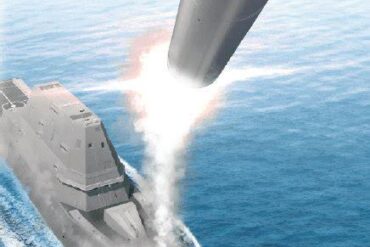
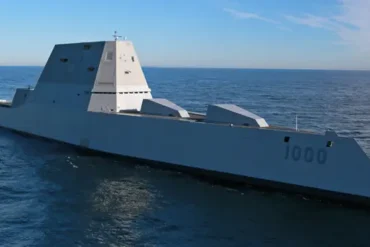
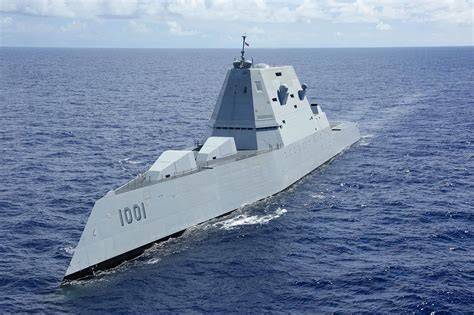
The Zumwalt-class, commissioned in 2016, represents a radical departure from traditional destroyer design. With its stealthy profile, advanced automation, and futuristic architecture, the Zumwalt-class operates with a surprisingly small crew compared to its size.
Crew Size
The Zumwalt requires only 158 sailors, less than half the crew of an Arleigh Burke-class ship. This drastic reduction is possible due to:
- High automation levels, including advanced ship controls and integrated systems.
- Centralized operations, where fewer sailors oversee multiple functions.
- Optimized living spaces, designed to enhance crew comfort and reduce fatigue on long deployments.
Technology Impact
While automation reduces manpower, it also requires highly skilled sailors who are proficient in operating advanced systems. Each sailor aboard the Zumwalt often handles multiple roles, increasing efficiency but also demanding rigorous training.
Why Do US Destroyers Need Large Crews?
Despite technological advances, destroyers still require sizable crews due to several factors:
- 24/7 Operations: Warships never sleep. Crews are divided into watches lasting four to eight hours, ensuring constant readiness.
- System Redundancy: Multiple sailors are trained for overlapping tasks, preventing operational failure if someone is injured or unavailable.
- Combat Demands: In battle, sailors must handle damage control, firefighting, and medical emergencies in addition to their regular duties.
- Maintenance: Complex systems like the Aegis Combat System, missile launchers, and gas turbines demand continuous upkeep.
Comparison with Other Navies
The US Navy is not alone in fielding destroyers with large crews. Other global navies maintain similar numbers for their advanced warships:
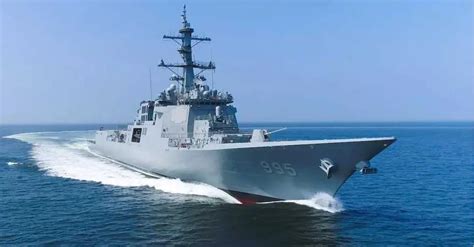
- South Korea’s Sejong Daewang-class: Manned by 300–400 sailors; equipped with the Aegis combat system.
- Japan’s Kongo-class destroyers: Operated by around 300 sailors, designed for front-line air defense.
- China’s Type 055 destroyer: Requires 300 sailors, supporting long-range missions and integrated weapon systems.
This comparison highlights that the crew size of a US destroyer is not excessive but consistent with international naval standards for ships of similar capability.
Crew Size Over Time – Historical Evolution
| Destroyer Class | Commissioned | Crew Size |
|---|---|---|
| USS Bainbridge (DD-1) | 1902 | 72 sailors |
| Fletcher-class | 1942 | 329 sailors |
| Charles F. Adams-class | 1960 | 333 sailors |
| Arleigh Burke-class | 1991 | 303–323 sailors |
| Zumwalt-class | 2016 | 158 sailors |
This table clearly illustrates how crew numbers have evolved in tandem with ship design, reflecting shifts in naval warfare and technology.
The Future of Destroyer Crewing
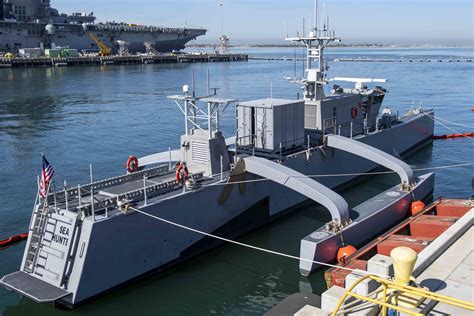
The question of how big is the crew on a US destroyer ship may change drastically in the future. The US Navy is already exploring unmanned surface vessels (USVs) such as the Sea Hunter and the USX-1 Defiant prototype, which suggest a path toward ships with minimal or even no human crews.
Key trends shaping the future:
- Artificial intelligence will manage navigation, targeting, and system diagnostics.
- Autonomous drones may perform surveillance and combat roles, reducing human workload.
- Reduced manning concepts will minimize crew fatigue while maintaining high operational efficiency.
However, while automation grows, the human factor—decision-making under uncertainty, damage control, and adaptability—remains irreplaceable in high-stakes combat.
Conclusion
Destroyers are among the most powerful and versatile ships in the US Navy, but they are also manpower-intensive. The Arleigh Burke-class requires more than 300 sailors, while the futuristic Zumwalt-class operates with just 158 personnel, thanks to advanced automation. These numbers demonstrate both the complexity of modern warships and the balancing act between manpower and technology. As naval warfare evolves, the role of the crew will remain central, even as automation and AI continue to reshape the future of maritime operations.
FAQ
How many sailors serve on an Arleigh Burke-class destroyer?
The Arleigh Burke-class typically operates with 303 to 323 sailors, depending on the variant and mission configuration.
Why does the Zumwalt-class have a smaller crew?
The Zumwalt-class employs advanced automation and centralized systems, allowing it to operate with just 158 sailors, less than half of a traditional destroyer.
How does crew size compare to an aircraft carrier?
While destroyers need between 158 and 323 sailors, an aircraft carrier like the USS Gerald R. Ford requires over 4,600 personnel, highlighting the vast difference in scale and capability.