Precision in aviation demands clarity, especially during one of the most critical phases of flight—landing. Precision Approach Path Indicator (PAPI) lights have become indispensable in providing pilots with the vital visual cues needed for a safe and stable descent. In this article, we explore in depth how PAPI lights work, how they are engineered, and why they play such a crucial role in aviation safety.
Understanding the Function of PAPI Lights
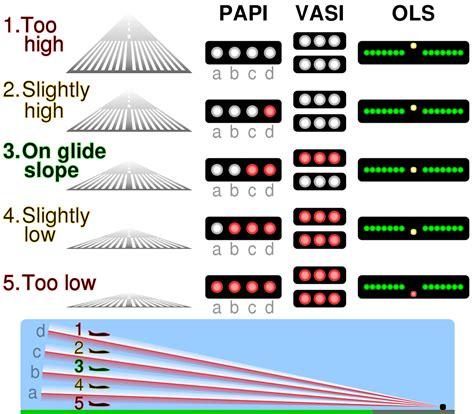
PAPI lights serve as a continuous reference point for pilots to verify their approach angle to a runway. Designed to be highly visible, these lights display an immediate visual representation of whether an aircraft is on, above, or below the correct glide path, typically set at 3 degrees. As pilots approach the runway, they see a series of four horizontal lights arranged perpendicular to the runway. The color combination of these lights—red and white—provides instantaneous feedback:
- Two white and two red lights: On the correct glide path.
- Three white and one red light: Slightly above the glide path (~3.2 degrees).
- One white and three red lights: Slightly below the glide path (~2.8 degrees).
- All white lights: Significantly above glide path (more than 3.5 degrees).
- All red lights: Dangerously below glide path (less than 2.5 degrees).
Pilots often remember this guidance through the phrase: “All white, you’re high as a kite. All red, you’re dead.” This simple but effective memory aid underscores the seriousness of proper approach alignment.
Engineering and Optical Design Behind PAPI Systems
The effectiveness of PAPI lights lies not only in their arrangement but also in their intricate optical engineering. Each light unit contains a set of static lenses and colored filters precisely aligned to emit light at specific vertical angles. The lights are calibrated so that a pilot’s line of sight will cause the lights to appear either red or white depending on their altitude relative to the glide path.
The light units use a sophisticated arrangement of optical elements:
- Color Filters: Create the red and white light outputs.
- Lenses: Focus the beam to specific sectors to ensure the pilot perceives the correct color at the intended approach angle.
- Housing: Designed to endure weather extremes and provide consistent optical performance.
Traditionally, PAPI lights employed incandescent bulbs. However, since 2008, modernization initiatives have led to the widespread adoption of LED technology, offering increased durability, better energy efficiency, and lower maintenance needs.
Installation and Placement of PAPI Lights
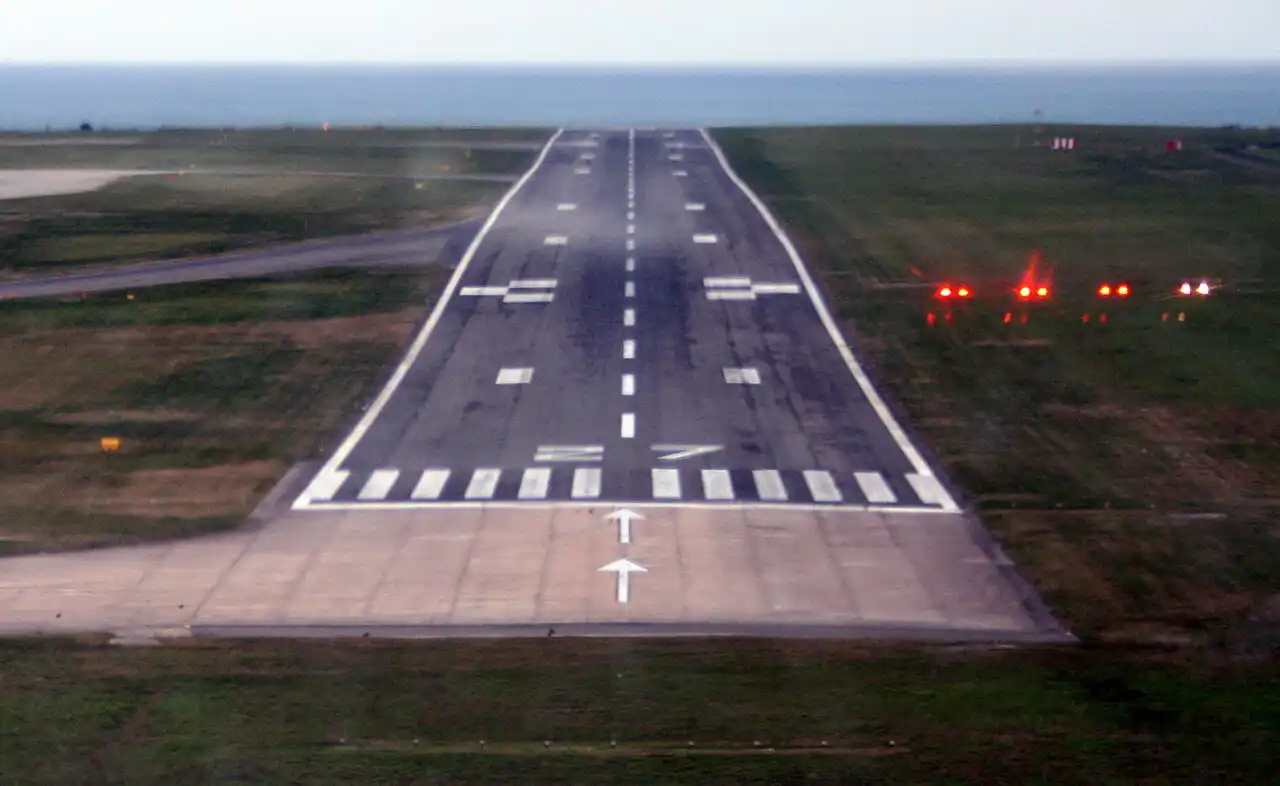
Standard PAPI installations position the light units on the left-hand side of the runway when viewed from the approach direction. This placement offers pilots a consistent expectation during their approach sequence. However, due to terrain or airport design constraints, some airfields install PAPI systems on the right-hand side.
Typically, PAPIs are located between 300 to 1,000 feet from the runway threshold, providing sufficient distance for pilots to establish visual confirmation while on final approach. The precision with which these systems are aligned and positioned ensures their reliability even under low-visibility conditions.
Comparing PAPI to VASI Systems
Although PAPI systems are now the standard visual glide slope aids at most airports, Visual Approach Slope Indicators (VASI) still exist. Both systems serve similar purposes, but their designs differ notably:
- VASI uses two or more horizontal bars of lights, each bar providing either a red or white signal.
- PAPI arranges all lights in a single row.
In a VASI system:
- Two red over two white lights indicate proper glide path.
- The visual range extends up to 5 miles during the day and 20 miles at night.
PAPIs, on the other hand, offer slightly improved precision and are generally visible from a similar distance. Their ability to provide nuanced indications (four light combinations) allows for finer adjustments compared to the simpler VASI systems.
PAPI System Adaptations for Terrain and Obstacles
While a standard glide path of 3 degrees suits most airports, exceptions arise due to unique environmental and terrain factors. For instance, at Steamboat Springs Airport in Colorado, the PAPI is calibrated to a 4-degree glide path because of rising terrain around the approach corridor. Similarly, at Molokai Airport (PHMK) in Hawaii, the PAPI is set at 4 degrees, but pilots must ignore the four-light indications beyond 1.8 nautical miles from the runway threshold to avoid terrain-related visual misinterpretation.
These adjustments highlight how PAPI systems can be customized to maintain safety despite challenging topographies.

Operational Use of PAPI Lights During Landing Approaches
Flying a stable approach using PAPI lights is paramount to safe landings. Pilots typically aim for the runway’s aiming point markers, which are approximately 1,000 feet from the threshold. The PAPI provides guidance to ensure touchdown occurs within the designated touchdown zone, reducing risks of runway excursions.
Factors influencing landing distances, such as aircraft configuration, weight, tailwinds, and runway conditions, necessitate occasional deviations from aiming solely at the touchdown markers. However, consistent reliance on PAPI guidance ensures that even in variable conditions, pilots maintain the most favorable approach profile.
For single-engine piston aircraft, faithfully following the PAPI guidance almost always guarantees ample stopping distance before the runway end. It’s generally safer to prioritize maintaining glide path discipline over attempting a short-field landing onto the numbers unless operationally required.
Modernization and Expansion of PAPI Systems
According to the Federal Aviation Administration (FAA), there are currently 938 active PAPI systems within the National Airspace System (NAS). These installations support initiatives like the Commercial Aviation Safety Team (CAST) and Land and Hold Short Operations (LAHSO), aiming to enhance runway operational safety and efficiency.
Ongoing efforts focus on expanding PAPI installations to additional airports, integrating LED lighting systems, and ensuring compliance with evolving aviation standards. This modernization drive reflects the aviation industry’s unwavering commitment to continuous improvement in pilot guidance systems.

Conclusion: The Vital Role of PAPI Lights in Aviation Safety
Precision Approach Path Indicator (PAPI) lights represent a critical link between technology and pilot intuition. Their simple yet profoundly effective design enables pilots to verify glide path accuracy at a glance, contributing directly to safer and more reliable landings.
Through meticulous optical engineering, strategic placement, and constant modernization, PAPI systems remain at the forefront of visual approach aids. As aviation continues to evolve, the foundational role of PAPIs in ensuring approach stability and enhancing pilot situational awareness will remain an essential aspect of runway operations worldwide.