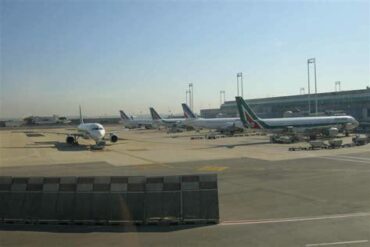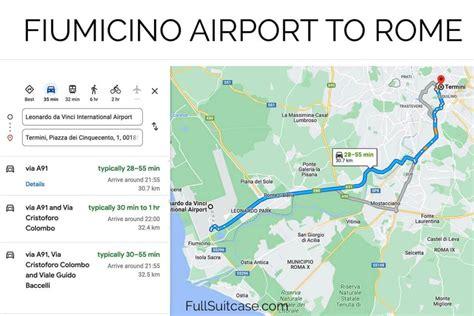
Rome’s Leonardo da Vinci–Fiumicino Airport (FCO) is the primary international gateway to Italy, welcoming millions of travelers each year. Located approximately 20 miles (32 kilometers) from the heart of Rome, Fiumicino offers several efficient and cost-effective transportation options to the city center. Understanding the routes, train services, schedules, and pricing can make a significant difference in your arrival experience.
Navigating from the airport to central Rome is relatively seamless, especially with Italy’s well-developed railway network. Among the most popular and dependable solutions are the Leonardo Express and the FL1 regional train, each serving different needs based on the traveler’s destination and budget.
Leonardo Express: Direct and Comfortable Journey to Roma Termini
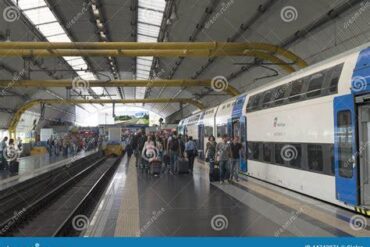
The Leonardo Express is the official airport train service operated by Trenitalia, providing a non-stop connection from Fiumicino Airport to Roma Termini, Rome’s main train station. It is by far the most straightforward and stress-free option for travelers heading directly to central Rome.
This high-speed service runs every 15 minutes during peak hours and every 30 minutes otherwise, completing the journey in about 32 minutes. Trains are operational from 6:38 a.m. until 11:38 p.m., offering broad flexibility for arriving flights. Each one-way ticket costs €14, and the train includes spacious luggage compartments, air-conditioned cabins, and designated seating—ideal for visitors with large bags or jetlag.
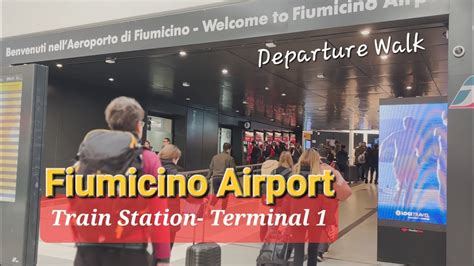
Upon arrival, passengers should follow the “Train” signs inside FCO; the platforms are about a five-minute walk from the baggage claim area. Along the way, there are restrooms and snack kiosks for those needing a quick break before boarding. Tickets can be pre-purchased online or at green kiosks found throughout the terminal.
Important to note: Before boarding, tickets must be validated at small machines near the platforms—this step is crucial to avoid fines. These machines are notably smaller than the main ticket kiosks and can be easy to overlook. Validation ensures the timestamp is printed on the ticket, marking it active for travel.
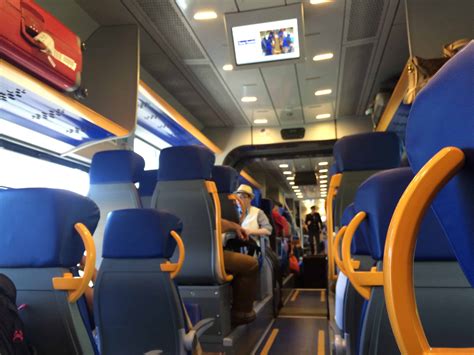
Once on board, passengers are treated to a comfortable ride directly into the heart of Rome. Roma Termini station is a bustling transportation hub, allowing easy access to Metro Lines A and B, city buses, or a taxi to reach your final destination. From Termini, you can also connect to trains heading toward major cities such as Florence, Milan, Naples, and Venice.
FL1 Regional Train: A Budget-Friendly Alternative
For travelers seeking a less expensive option or staying outside the immediate vicinity of Termini, the FL1 regional train is a solid choice. While it does not stop at Roma Termini, it connects Fiumicino Airport to several important stations in Rome, including Trastevere, Ostiense, Tuscolana, and Tiburtina.
Tickets for the FL1 train are priced at €8 per person, with trains departing every 15 minutes. The journey to central Rome takes roughly 30 to 40 minutes, depending on the specific destination station. This line is popular among locals and seasoned travelers who prefer to avoid the congestion around Termini or who have accommodations in Rome’s southern or eastern districts.
Stations like Trastevere and Ostiense are well-connected to local bus and tram routes, and Tiburtina offers a secondary high-speed rail terminal as well as Metro Line B. However, travelers using the FL1 will likely need a short taxi ride or additional local transport to reach their hotel.
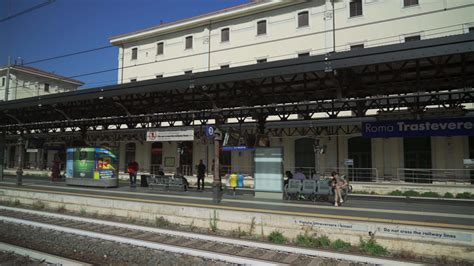
The FL1 train does not offer reserved seating or luggage storage comparable to the Leonardo Express, but its affordability and reach across multiple city points make it a valuable option for the independent traveler.
Ticketing and Validation Requirements
Tickets for both train options can be purchased via:
- Trenitalia’s official website or app
- Ticket kiosks at Fiumicino Airport
- Authorized counters and travel agencies within the terminal
Regardless of the ticket type, travelers must validate them at the yellow or green validation machines before boarding. These devices are usually positioned near the platform entrances. Skipping this step can result in a hefty fine—even for digital or mobile tickets.
For passengers using Eurail or InterRail Passes, it’s essential to reserve seats in advance if opting for the Leonardo Express. The pass does not guarantee free access unless a proper reservation is linked to the journey. Likewise, passholder fares are only valid with an active, valid rail pass in possession.
Airport Transfer Alternatives Beyond the Train
While the rail options are often the most efficient and preferred by most travelers, several alternatives exist:
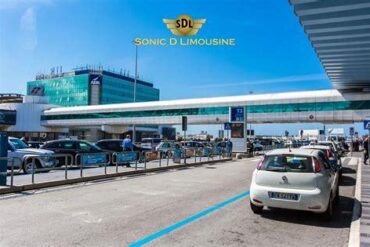
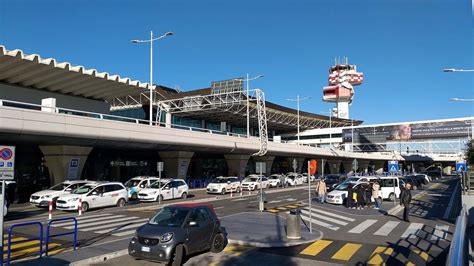
- Taxi: Official taxis from Fiumicino to central Rome have a fixed fare of €50, inclusive of luggage and up to four passengers. Taxis are ideal for late-night arrivals or those with excessive baggage.
- Private Transfers: Many companies offer chauffeured services that provide door-to-door convenience. While more expensive, they offer peace of mind, especially for group travel or first-time visitors.
- Ride-Sharing Services: Apps such as Uber operate in Rome, although availability may vary. Prices are comparable to taxis but lack the flat-rate benefit.
- Shuttle Buses: Companies like Terravision and SIT Bus Shuttle provide regular services between Fiumicino and various central locations in Rome for around €6 to €8. These are slower due to traffic but offer a viable budget option.
Tips for a Smooth Transit from Fiumicino to Rome
To make your journey as seamless as possible, we recommend the following:
- Buy your train ticket in advance to avoid queues, especially during busy tourist seasons.
- Validate your ticket before boarding to avoid penalties.
- Use Roma Termini as a central hub if your accommodation is in the heart of the city.
- Plan for local transit if arriving via FL1, as most stations are not within walking distance of major hotels.
- Factor in the train frequency and avoid the last departures if you face delays through immigration or baggage claims.
Also, be aware that train services on public holidays or during labor strikes may be limited. It’s always wise to check real-time schedules on Trenitalia’s website or consult station staff for the latest updates.
Roma Termini: Gateway to the Eternal City
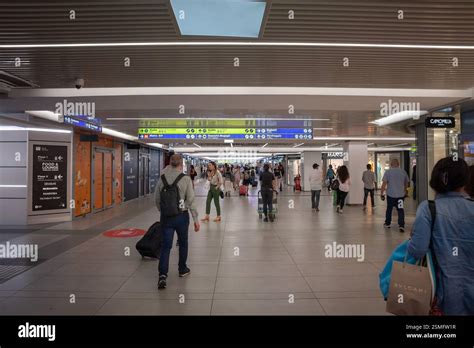
Upon arriving at Roma Termini, travelers step into one of Europe’s busiest and most well-organized stations. Apart from its vast array of trains, Termini also includes:
- Metro access via Lines A and B
- City buses serving every neighborhood of Rome
- Taxi stands and car rental agencies
- Shops, restaurants, and ATMs
From Termini, the whole of Rome lies just minutes away. Whether you’re heading to the Colosseum, Vatican City, Piazza Navona, or Spanish Steps, transport options are right at your feet.
Conclusion: Smart Transit for a Great Start
Getting from Fiumicino Airport to central Rome can be one of the most hassle-free experiences in European travel—provided you’re informed. The Leonardo Express remains the gold standard for directness and comfort, while the FL1 regional train offers a cost-effective solution with access to broader neighborhoods. Taxis, buses, and private transfers provide additional flexibility based on budget and personal preference.
Whatever your choice, Rome begins the moment you board. With the city’s timeless charm awaiting, your journey from Fiumicino is more than just a transfer—it’s the first step into a land where every corner breathes history.