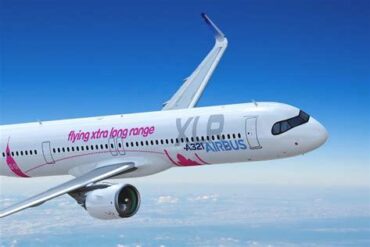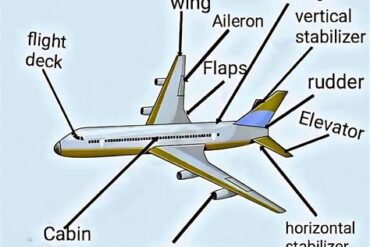
The first key identifier is the fuselage width. Aircraft are generally classified into narrow-body and wide-body categories. Narrow-body jets, such as the Boeing 737 or Airbus A320, typically feature a single aisle and seat up to 6 passengers per row. These planes are designed primarily for short to medium-haul routes.
In contrast, wide-body airliners like the Boeing 777, Airbus A330, or the Airbus A380, boast twin aisles, larger cabin volumes, and accommodate 8 to 10 passengers per row. These aircraft dominate long-haul intercontinental routes and often sport larger wingspans, reinforced landing gear, and greater fuselage height.
Engine Count and Configuration
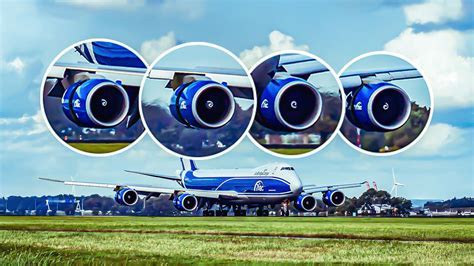
Engine configuration is one of the most reliable visual cues in airliner identification:
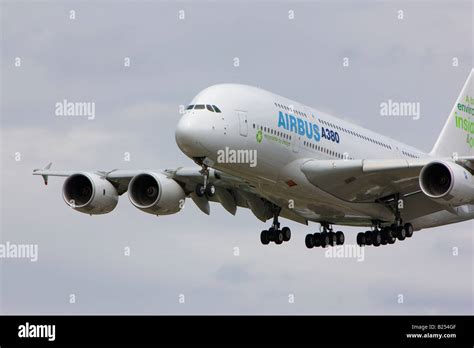
- Four engines: Aircraft such as the Boeing 747, Airbus A340, and Airbus A380 feature four engines mounted under the wings. These are typically long-range, high-capacity aircraft.
- Three engines: The McDonnell Douglas DC-10, MD-11, and Boeing 727 utilize a tri-jet configuration, with one engine embedded in the tail and two under or near the fuselage.
- Two engines: The vast majority of modern jets—Airbus A320neo, Boeing 737 MAX, Airbus A350, Boeing 787 Dreamliner—employ a twin-engine design for fuel efficiency and performance.
Engine Placement: Underwing vs. Rear-Mounted
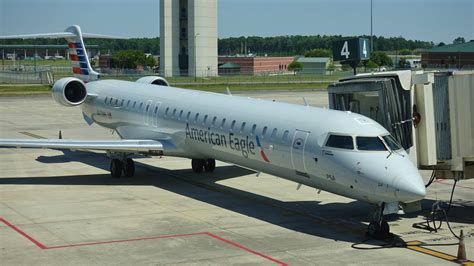
The position of the engines is another crucial identifier. Most contemporary commercial jets have engines mounted beneath the wings. However, many regional jets and older designs, such as the Bombardier CRJ series, Embraer E145, and McDonnell Douglas DC-9, mount engines on the rear fuselage.
Rear-mounted engines are a hallmark of short-haul and regional aircraft, chosen for reduced cabin noise and performance on shorter runways.
Nose Shape and Cockpit Windows
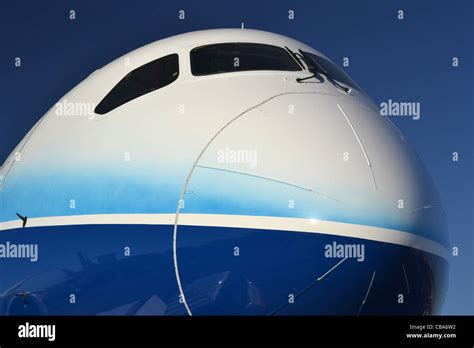
The shape of the nose cone and the arrangement of cockpit windows serve as subtle yet precise indicators of aircraft lineage. The Airbus family typically has a blunter, rounded nose, with a characteristic “smiling” appearance and six side cockpit windows.
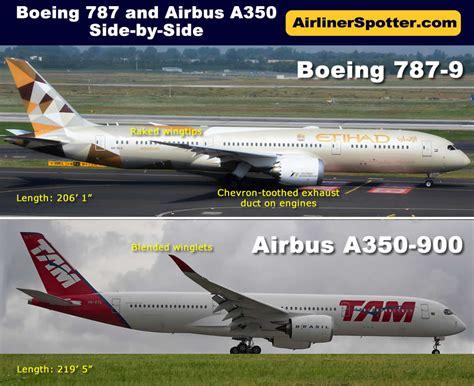
Conversely, Boeing aircraft often sport pointed noses with a more angular window design. For example, the Boeing 757 has a pronounced downward slope, while the Boeing 787 features an advanced raked nose with electrochromic cockpit windows.
Wing and Winglet Design
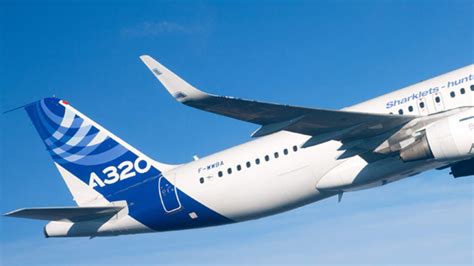
Wings vary significantly in span, angle, and tip design across manufacturers and models. Modern jets frequently feature winglets or sharklets, which reduce drag and improve fuel efficiency.
- Blended winglets: Curved, upward extensions found on Boeing aircraft like the 737 NG.
- Split Scimitar winglets: Angular and aerodynamic, seen on 737 MAX.
- Sharklets: Airbus’ term for its winglets, common on A320neo series.
- Raked wingtips: Extended wing edges with a gradual slope, featured on Boeing 787 and 777X.
Tail Fin and APU Exhaust Configuration
The vertical stabilizer, or tail fin, can reveal both manufacturer and model. Airbus typically employs smooth, rounded fin designs, while Boeing’s are taller and more angular.
Also, the Auxiliary Power Unit (APU) exhaust, located at the aircraft’s tail, varies in size and shape. For instance, the APU exhaust on an A380 is wide and flush, whereas on a Boeing 777, it’s smaller and more tubular.
Entry and Emergency Exit Door Layout
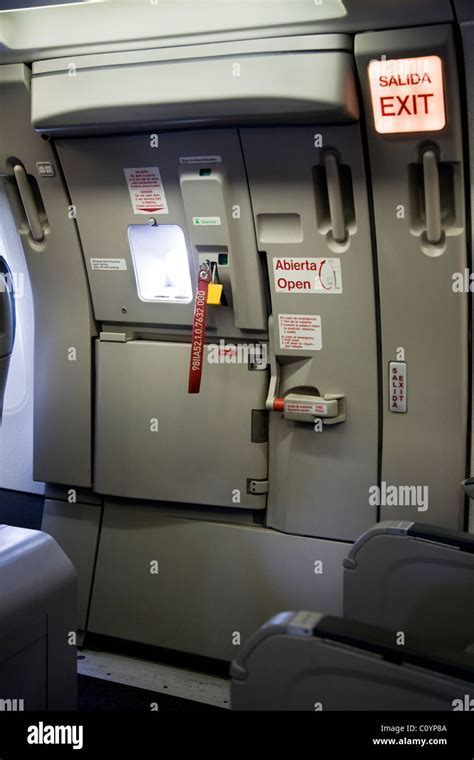
The number and arrangement of doors are particularly useful when identifying aircraft on the ground. Wide-bodies like the Boeing 777 and Airbus A350 feature multiple entry doors—typically four per side—as well as numerous over-wing and floor-level emergency exits.
Smaller jets like the Airbus A320 usually have two main doors on each side with additional over-wing exits depending on configuration. Low-cost carriers sometimes use fewer boarding doors to speed up turnaround, which can alter expected configurations slightly.
Window Count and Spacing
Spotters often count passenger windows or observe their spacing in relation to the wings. The Boeing 737-800 typically has 20–22 windows between the cockpit and the wing’s leading edge, while an Airbus A320 has fewer and slightly more spaced apart.
Larger aircraft like the Airbus A350 have long, uninterrupted window lines, often with windows that appear more recessed and rectangular. Aircraft like the Embraer E195-E2 feature fewer windows but are set in a more modern, spaced-out pattern.
Identifying Propeller Aircraft: The Role of Turboprops
Turboprop airliners remain a vital part of regional air travel. Unlike jets, turboprops use a propeller powered by a gas turbine engine. Common models include:
- ATR 72: High-wing, twin-engine aircraft with six-blade propellers.
- Bombardier Q400: Sleek, long fuselage, known for its speed and quieter cabin.
- Antonov An-24: Rugged, with twin turboprops and angular Soviet design.
These aircraft are usually easy to identify due to their distinctive high-mounted wings and visible rotating propellers, especially during taxi or takeoff.

Special Observational Techniques for Spotters
When engaging in aircraft identification, several techniques enhance precision and enjoyment:
- Observe from multiple angles: Nose-on, side-on, and tail views all reveal different identifying features.
- Bring binoculars and a zoom lens: Critical for distant spotting, especially at large airports.
- Study registration codes: Tail numbers often indicate the country of origin and airline, which can be looked up on public databases for exact model confirmation.
- Use aircraft tracking apps: Services like FlightRadar24 offer real-time data on aircraft type, flight number, and operator.
Where to Spot: Not Just Airports
While commercial terminals provide plenty of traffic, dedicated enthusiasts also frequent air museums, aerospace parks, and airshows. Locations such as the Pima Air & Space Museum, Seattle’s Museum of Flight, or Paris Air Show offer access to legacy aircraft and up-close inspection.
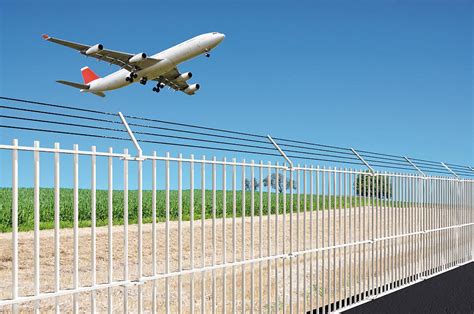
Photography-friendly locations near runways, especially outside major hubs like LAX, JFK, or Heathrow, have become hotspots for the global spotting community. It’s important to understand and comply with airport security regulations, as spotting in restricted zones can lead to legal issues.
Final Word: From Enthusiast to Expert
Accurately identifying commercial airliners is a skill developed through meticulous observation, technical understanding, and field experience. As fleets evolve with newer composite materials, silent engines, and sleeker profiles, staying up to date is essential. From the classic curvature of a Boeing 747’s hump to the futuristic silhouette of an Airbus A350, every aircraft tells a story through its design.
By integrating knowledge of size, engine configuration, wing structure, window layout, and tail geometry, we gain not just the ability to label a jet but also a deeper appreciation for the engineering marvels that define modern aviation.