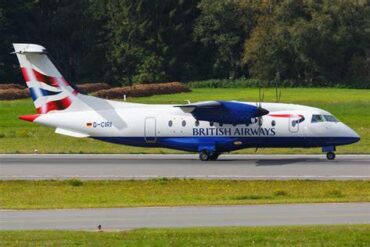
Turboprop aircraft once stitched together the thinner routes of the United States, yet today they occupy only a faint footprint in the nation’s commercial fleet. We examine why these highly efficient, short-haul specialists have nearly vanished from US operations, even as they continue thriving across Europe, Asia, Africa, and island regions worldwide. The factors range from geography and network strategy to passenger psychology and the evolving economics of the regional airline industry.
Understanding the Turboprop’s Role in Modern Aviation
Turboprops draw their power from turbine engines that turn propellers, giving them excellent performance on short sectors and at lower speeds. Their efficiency shines on routes under 300 miles, where fuel burn matters more than raw velocity. The Dash 8 series from Bombardier and the ATR 72 family developed by ATR have long been the global mainstays of this category, connecting remote towns, rugged islands, and challenging airfields that jets struggle to serve.
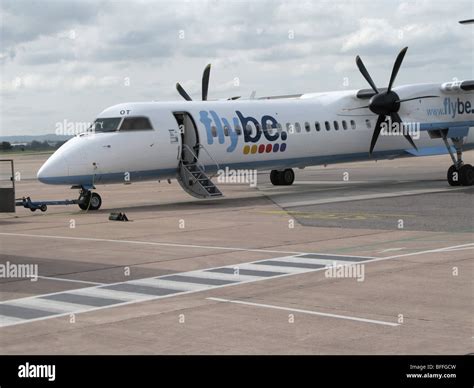
In the US, these aircraft once filled regional schedules at carriers such as Horizon Air, Piedmont Airlines, and United Express. By 2023, however, Horizon retired its final Dash 8-Q400, marking the end of major-carrier operations for the type in the US. The ATR 72 disappeared even earlier, bowing out a decade ago. Other regions, by contrast, continue operating them in large numbers.
Geographic Reality: The US Doesn’t Depend on Turboprops
The foundation of the decline begins with geography. Countries such as Indonesia, the Philippines, and Greece rely heavily on turboprops because their landscapes demand aircraft that can safely and efficiently link short runways, island chains, and extreme hot-and-high airfields. Jets are often restricted or inefficient in these environments.
The US, by contrast, is dominated by long expanses of relatively flat terrain, a vast interstate highway system, and major airports equipped with long runways capable of supporting nearly any narrowbody jet. There are few airports in the country where a turboprop is the only viable option, and airlines ultimately optimized their fleets around the larger regional jets that better fit their national network model.
Passenger Perception and the Image Problem
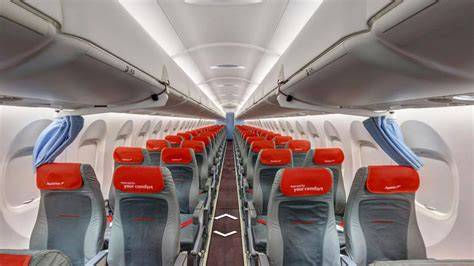
Another contributor to the turboprop’s retreat is the subtle power of perception. Many US passengers viewed turboprops—fairly or not—as noisier, less comfortable, or even less safe than jets simply because their propellers are visible. While the safety record of turboprops speaks for itself, consumer comfort preferences shape airline strategy.
Piedmont Airlines explicitly cited passenger perception when it retired its Dash 8 fleet in 2018. Porter Airlines in Canada encountered similar skepticism in its early years, but succeeded by launching an educational campaign to highlight the Q400’s quiet cabin, brisk climb rates, and efficiency. Once passengers experienced the aircraft firsthand, the stigma faded.
Economics: Why Jets Became the US Default
The economics of US regional aviation shifted dramatically in the 1990s and 2000s. Scope clauses—labor agreements governing what aircraft regional partners can operate—pushed airlines toward regional jets with 50 to 76 seats. These aircraft offered a jet-like experience with higher speed and better public appeal.
Meanwhile, rising fuel efficiency in small jets eroded one of the turboprop’s biggest advantages. Airlines also found strategic value in standardizing around RJ fleets that simplified maintenance, scheduling, and crew training. For carriers focused on feeding massive hub-and-spoke systems, the speed and range advantages of jets aligned more naturally with their network priorities.
A Global Contrast: Where Turboprops Still Thrive
Beyond US borders, turboprops remain essential. Airlines including Ethiopian Airlines, Azul, SpiceJet, Olympic Air, Cebgo, Porter, and WestJet Encore deploy Dash 8s and ATRs on routes uniquely suited to their performance. Ethiopian alone operates 30 Dash 8-Q400s, many serving airports where jets cannot safely operate.
In Canada, the Q400 enables flights to communities such as Brandon, Manitoba—locations too thin for jets but too essential to leave unconnected. In Greece, ATRs hop effortlessly between island airports with short, constricted runways. Across Asia’s archipelagos, turboprops provide lifeline transport.
The Potential for a US Turboprop Revival
Aircraft makers believe the story is not over. ATR has repeatedly argued that US airlines could benefit significantly from deploying turboprops on short-haul segments under 100 miles, where jets burn disproportionate amounts of fuel. The time difference over such distances is marginal, but the environmental and cost impact is substantial.
Former ATR CEO Patrick de Castelbajac noted that flying a jet on a 100-mile route is both environmentally inefficient and economically wasteful. With airlines confronting rising fuel costs, sustainability pressures, and aging regional jets nearing retirement, the case for a turboprop resurgence grows stronger.
Still, any revival must overcome entrenched passenger expectations and the economics of American regional network design. Yet even modest re-adoption could transform short-haul efficiency in a meaningful way.
Looking Ahead: A Technology Shift Could Change the Equation
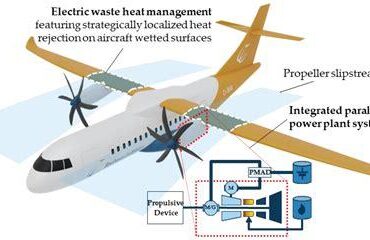
As sustainable propulsion technologies mature—hybrid-electric, hydrogen-electric, and distributed propulsion concepts—turboprops may become the first aircraft family to adopt them at scale. Short-haul aircraft benefit most from such innovations, and US carriers may find themselves reconsidering the turboprop platform in a dramatically different technological landscape.
This creates a future where the turboprop, once dismissed as outdated, may become central to low-emission regional aviation. The next decade will reveal whether US airlines embrace this possibility or continue leaning on jet-centric models.