Definitions
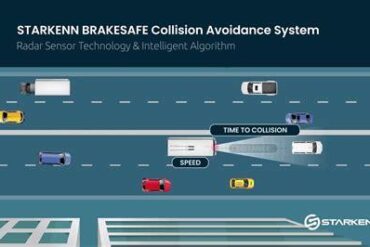
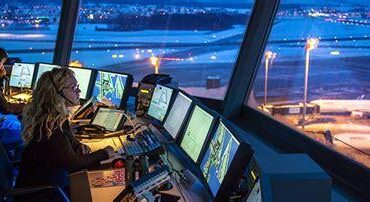
In aviation, the term “machine” usually refers to aircraft operated by pilots or workstations used by air traffic controllers. However, it broadly includes any device people interact with, such as mobile phones, laptops, and copy machines.
Description
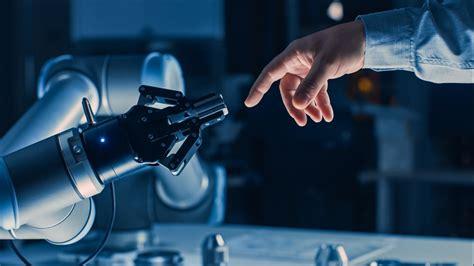
When we talk about human-machine interaction, two key questions arise: How do we communicate with machines? And how do machines communicate with us? This two-way communication happens through controls and displays. To understand these elements, we need to look at them from two perspectives: their physical usability (ergonomics) and how well they align with the user’s mental model (intuitiveness).
Discussion / Considerations
Interacting with a machine is similar to requesting something from another person. You must convey your message clearly so the machine understands your intentions and expectations. It’s also important to listen to how the machine acknowledges and executes your requests. To help users navigate the “language of the machine,” operating manuals should explain systems from an operational perspective, covering both normal and abnormal procedures. As the saying goes, “It’s important to understand how the system works, but it’s even more crucial to know how to operate it.”
Additionally, interfacing with a machine means supervising its actions compared to what you requested. This demands a level of humility. If a machine behaves unexpectedly, instead of just asking, “What’s it doing now?” consider, “What did I do wrong that caused this behavior?” Users should always keep their short-term and long-term goals in mind. Just as pilots continuously monitor radio frequencies, machine operators need to effectively “listen” to what the machine is communicating. This involves checking the positions of controls, ensuring displays show the correct information, and being aware of any warning lights or messages.
Conclusions
Interfacing with a machine is about mastering both the physical controls and understanding the mental model built into the machine’s design. A well-designed, user-centered machine should reflect the user’s mental model. Supervising a machine or any automated system requires careful attention to human performance, always exercising caution to prevent complacency and overreliance on technology.