In-flight Wi-Fi has rapidly evolved from a luxury to an essential feature for modern air travel, reshaping passenger expectations and airline competitiveness. In 2025, this evolution reached a pivotal point, as recent data revealed a widening performance gap among global carriers. According to a comprehensive Speedtest analysis by Ookla, airlines like Hawaiian Airlines and Qatar Airways are setting the standard with next-generation connectivity, while others, notably Lufthansa, continue to lag with outdated systems.
Hawaiian Airlines and Qatar Airways: A New Benchmark for Connectivity
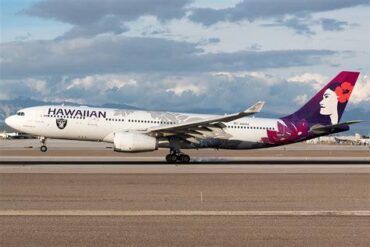
At the top of the connectivity leaderboard, Hawaiian Airlines and Qatar Airways have embraced the power of SpaceX’s Starlink low-Earth orbit (LEO) satellite system, catapulting them far ahead in the in-flight Wi-Fi race. This advanced system enables significantly faster download speeds and dramatically reduced latency, creating a seamless online experience previously thought impossible at 35,000 feet.
Passengers flying with either carrier now enjoy exceptional streaming quality, responsive video calling, and nearly uninterrupted browsing—thanks to the stability and low-latency architecture of Starlink’s satellite constellation. Ookla’s Q1 2025 data crowned both airlines with the best median download speeds and lowest average latency, making them the preferred choice for digitally connected travelers.
What sets these airlines apart is not just technological adoption but strategic foresight. Hawaiian and Qatar recognized early on that modern passengers demand more than reclining seats and gourmet meals—they expect constant, high-speed connectivity, and they’ve delivered.
The Mid-Tier Climbers: Promise Without Perfection
Just beneath the elite performers lies a group of carriers who are making notable progress but still fall short of excellence. Spirit Airlines, Air Canada, Delta Air Lines, Breeze Airways, American Airlines, and Aeroméxico have all demonstrated the ability to offer “very usable speeds,” as defined by consistent download rates above 10 Mbps. For basic online functions—such as checking emails, browsing the web, or using social media—these speeds are more than adequate.
However, these airlines have not yet tackled the critical issue of latency. For users attempting to conduct video calls, attend virtual meetings, or engage in high-bandwidth activities like online gaming, latency spikes can render the experience frustrating or even unusable. While they are clearly investing in infrastructure, their reliance on older geostationary satellite systems and patchwork upgrades still hinders their competitiveness in real-time digital services.
Despite this, the upward trend signals that these mid-tier carriers may soon transition to more advanced systems such as Starlink, bringing them into closer contention with the industry leaders.

Lufthansa’s Connectivity Crisis: A Premium Carrier Underperforms
In stark contrast to the top performers, Lufthansa—a long-standing pillar of premium international travel—finds itself at the bottom of the in-flight Wi-Fi rankings. With a median download speed of just 4.14 Mbps, Lufthansa’s performance is the slowest among the 21 airlines evaluated in Ookla’s 2025 report.
This underwhelming result is especially surprising given Lufthansa’s reputation for offering high-end amenities, punctuality, and quality service. However, its reliance on aging ground-to-air systems has become a glaring vulnerability. These legacy systems lack the capacity to meet modern demand, especially when compared to LEO-based networks. As digital dependency among travelers surges, Lufthansa’s inability to upgrade its infrastructure risks damaging its brand perception.
Passengers have reported slow-loading websites, buffering issues during streaming, and complete drop-offs during periods of heavy usage. In many cases, even basic tasks like email access become a chore rather than a convenience.
Other Premium Carriers Also Struggle
Lufthansa is not alone in its connectivity woes. Japan Airlines, Turkish Airlines, and Cathay Pacific—all carriers known for luxurious in-flight experiences—also recorded substandard Wi-Fi performance. This pattern highlights a broader issue among traditional premium carriers: while investments have focused on cabin design, culinary offerings, and seat comfort, digital infrastructure has taken a backseat.
Unlike newer or more agile competitors, these legacy airlines have been slower to adopt uniform, fleet-wide connectivity upgrades. Some aircraft offer newer systems, while others operate with decade-old technology. The result is an inconsistent user experience that no longer satisfies the expectations of tech-savvy flyers.
Why In-Flight Wi-Fi Is No Longer Optional
Connectivity has become a core differentiator in the airline industry. In an era where business travel relies heavily on remote communication and leisure travelers expect uninterrupted streaming and social access, airlines that ignore this shift risk falling out of favor.
According to Kerry Baker from Ookla, offering robust Wi-Fi is not just about meeting expectations—it’s about unlocking opportunities. From enhancing brand perception to creating new revenue streams via paid internet services and onboard entertainment, connectivity is now deeply entwined with both customer satisfaction and profitability.
Frequent flyers, particularly on long-haul international routes, increasingly factor Wi-Fi quality into their booking decisions. Airlines with poor connectivity are more likely to be passed over, even if they offer competitive pricing or superior loyalty programs.
The Rise of Low-Earth Orbit Systems: A Tech Revolution in the Skies
The adoption of LEO satellite systems, led by companies like SpaceX and OneWeb, represents a seismic shift in aviation technology. Unlike traditional geostationary satellites, which orbit at over 35,000 km above Earth, LEO satellites orbit much closer—typically under 2,000 km. This proximity allows for faster data transfer, lower latency, and greater bandwidth per user.
By blanketing the sky with a web of interconnected satellites, LEO systems offer consistent coverage even over oceans and remote regions. For airlines, this means a scalable solution that can support large numbers of passengers without performance degradation.
Industry analysts forecast that more airlines will join the LEO revolution in the next 12–24 months. Contracts are already in discussion stages with providers like Telesat and Amazon’s Project Kuiper, indicating that the race for dominance in the skies is far from over.

What Travelers Can Expect in the Coming Years
As consumer demand for fast, uninterrupted connectivity grows, airlines will have no choice but to evolve. The leading players in 2025 have already set a compelling precedent: offering excellent in-flight Wi-Fi is not only possible but essential.
We are likely to see:
- Broader adoption of LEO satellite services, reducing reliance on aging ground-to-air or GEO systems.
- More competitive pricing and tiered service models, giving passengers the flexibility to choose between basic and premium bandwidth packages.
- Integrated entertainment ecosystems, where connectivity powers onboard apps, interactive maps, and e-commerce platforms.
- Fleet-wide uniformity, ensuring the same high-speed service regardless of aircraft type or route.
For travelers, this means more freedom to work, communicate, or relax as they please—turning air travel from a disconnected experience into a truly digital journey.
Conclusion: Winners, Losers, and the Future of Airborne Connectivity
The 2025 in-flight Wi-Fi race has made one truth abundantly clear: connectivity defines modern air travel. Airlines like Hawaiian and Qatar have embraced this new reality, investing in transformative technology that positions them as digital leaders in the skies. Others, like Lufthansa, risk alienating their core customer base by clinging to legacy systems that can no longer meet expectations.
As the airline industry continues to recover and reshape itself post-pandemic, connectivity will stand as one of the key battlegrounds for loyalty and revenue. Only those willing to invest boldly in innovation will emerge as true 21st-century carriers.