The evolution of aerial combat is no longer defined solely by speed, stealth, or human reflex. It is now being rewritten by algorithms. The U.S. Air Force is pushing the boundaries of autonomy with a groundbreaking initiative designed to teach artificial intelligence how to survive — and dominate — in missile-heavy combat environments. At the center of this effort lies a radical concept: removing the human pilot from the most dangerous split-second decisions and replacing them with machine precision.
This transformation is not theoretical. It is already airborne.
The X-62A Vista: A Fighter Jet Without Human Limits
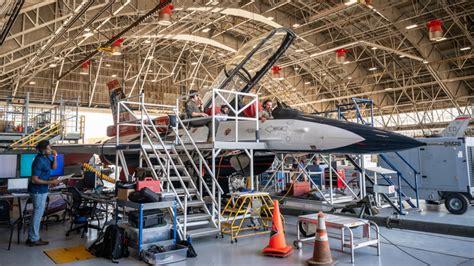
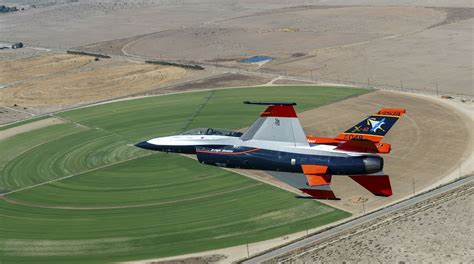
At the heart of the program is the X-62A Vista, a heavily modified F-16 platform engineered to test autonomous flight systems under real combat-like conditions. Unlike conventional aircraft, this jet can hand over control entirely to AI mid-flight, executing maneuvers that push beyond human physiological limits.
The objective is brutally simple: train AI to dodge incoming missiles with superhuman speed and accuracy. In modern warfare, where milliseconds decide survival, human pilots face cognitive and physical constraints. AI does not.
The aircraft becomes a testbed where software evolves in real time, learning from simulated threats and refining its evasive logic with each iteration.
Project Have Remy: Where Simulation Meets Reality
The initiative, known as Have Remy, represents a collaboration between the U.S. Air Force and Lockheed Martin. It begins in a purely digital environment, where AI models are exposed to thousands of randomized combat scenarios. These simulations replicate diverse threat conditions — varying missile trajectories, weather disruptions, and electronic warfare interference.
Each simulation acts as a crucible. The AI adapts, fails, recalibrates, and improves. Only the most effective algorithms survive this digital selection process.
Once refined, these elite AI configurations graduate to live testing over Edwards Air Force Base. Human pilots initially control the aircraft before transferring authority to the AI via onboard systems. From that moment, the machine takes over, executing pre-trained evasive maneuvers while pilots monitor performance, ready to intervene if necessary.
This hybrid approach ensures safety while accelerating development — a calculated balance between innovation and control.
Skunk Works and the Rise of Combat AI Ecosystems
Behind the scenes, Skunk Works plays a decisive role. Known for producing some of the most advanced aircraft in history, this division is now shaping the future of autonomous warfare. Engineers work alongside test pilots and students from elite training programs, feeding real-world insights back into AI development cycles.
This collaboration is not just about building smarter jets — it is about creating adaptive combat ecosystems. AI is being designed to communicate, coordinate, and operate across multiple platforms simultaneously.
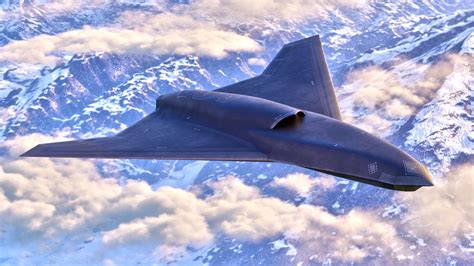
A prime example is the emerging Vectis combat drone, a next-generation unmanned system intended to fly alongside crewed aircraft. Equipped with stealth capabilities and autonomous decision-making, it signals a future where human pilots act more as mission commanders than direct operators.
The Strategic Debate: Speed vs Accountability
While the technological leap is undeniable, the implications remain deeply contested. Delegating combat decisions to AI raises urgent questions about accountability, ethics, and control. In chaotic battle environments, human judgment has historically served as a moral and strategic checkpoint.
Replacing that layer with algorithms introduces both opportunity and risk.
Supporters argue that AI reduces reaction time, enhances survivability, and processes battlefield data at a scale no human can match. Critics counter that removing human intuition from lethal decision-making could lead to unpredictable escalation.
A New Era of Aerial Warfare
What is unfolding is not just an upgrade in aviation technology — it is a paradigm shift. The integration of AI into fighter aircraft signals the dawn of a new combat doctrine where machines think, react, and survive faster than humans ever could.
The skies are no longer just a battlefield of pilots. They are becoming a domain of intelligent systems, constantly learning, adapting, and redefining what it means to win in modern warfare.