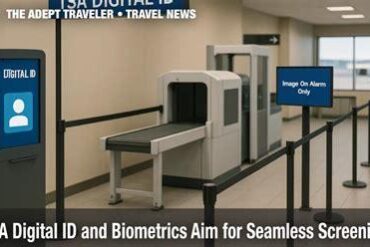
In an age where smartphones have replaced wallets, watches, and even boarding passes, the continued reliance on physical IDs at airport security seems increasingly outdated. Recognizing this, the Transportation Security Administration (TSA) has rolled out a digital ID system, aiming to streamline security checks and reduce wait times at U.S. airports. Initially launched in 2020 and gradually expanded through 2022 and 2023, the system is now live in over 250 airports across 17 states and territories.
While the concept is undeniably futuristic, its execution has sparked a range of reactions among travelers. With the system still in its relative infancy, we examine the real-world performance of TSA’s digital ID program, dissect user experiences, and evaluate whether this innovation is actually easing the travel experience—or introducing new complications.
What Is TSA’s Digital ID System, Really?
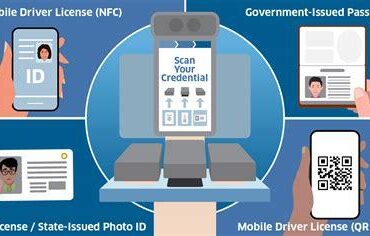
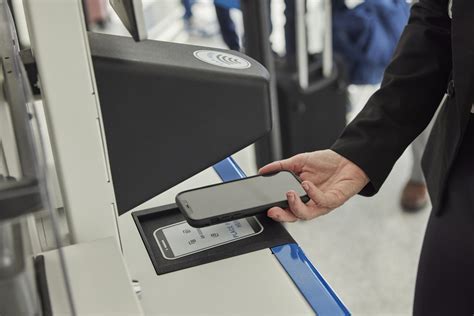
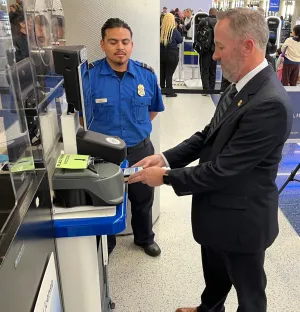
At its core, the TSA’s digital ID initiative is designed to digitally replicate government-issued photo identification, such as a driver’s license or passport, and embed it into a user’s smartphone. Instead of presenting a physical ID at security, passengers can now tap their phone or scan a QR code at specialized TSA checkpoints equipped with Credential Authentication Technology (CAT) scanners.
While the process echoes how we use Apple or Google Wallet for payments, there’s an added layer of biometric verification. After scanning the digital ID, TSA officers capture a live photo of the traveler and compare it with the photo on file. The intention is to reduce human error, speed up security checks, and bolster identity verification.
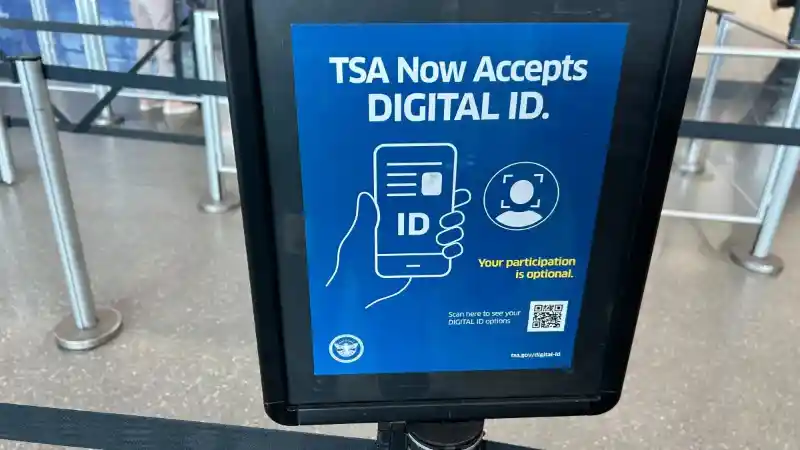
However, there’s a catch: Digital ID is strictly optional and only available for domestic flights. Physical IDs are still mandatory as a backup, and international travelers must continue using traditional documentation.
Adoption Across the States: A Patchwork System
Not all states are embracing digital IDs equally. As of late 2025, travelers in Arizona, Maryland, Colorado, Georgia, and California are among those who can store their ID in Apple Wallet. Meanwhile, other states like Iowa or Florida may require users to download a state-specific app, with limited compatibility.
This fragmented approach has created confusion. A traveler in Arizona may breeze through a TSA checkpoint using their iPhone, while another in a different state might be asked to revert to a physical ID, despite signs indicating digital acceptance.
How It Works in Practice: A Mixed Bag of Experiences
On paper, the system is elegantly simple:
- Load your ID into the designated app (Apple Wallet, Google Wallet, or a state-sanctioned app).
- At TSA checkpoints, tap or scan your phone at a digital reader.
- Pose for a quick live photo as biometric confirmation.
- Proceed once identity is verified.
But as many users on platforms like Reddit have pointed out, reality doesn’t always align with the promise. While some travelers report smooth, swift experiences, others encounter:
- Unresponsive scanners, leading to fallback procedures.
- TSA agents unfamiliar with the technology, causing delays.
- Signs that contradict verbal instructions, creating frustration.
One traveler shared how a clearly marked digital ID lane at Denver International turned out to be non-operational, with a TSA agent stating, “We don’t actually use that yet.” Another reported longer processing times due to manual overrides when the biometric scan failed.
User Error or System Failure?
An underlying theme among negative experiences is the complexity of the setup and inconsistency in implementation. Unlike boarding passes, which most travelers have mastered, the digital ID process requires downloading the correct app, uploading documentation, verifying identity, and understanding airport-specific protocols.
This leaves a wide margin for error. Some travelers forget to enable NFC or brightness for QR scanning. Others arrive with expired digital credentials, which are strictly not accepted, even if a physical ID is on hand. Additionally, inconsistent training among TSA agents further hampers the system’s reliability.
Security and Privacy: A Double-Edged Sword
The TSA insists that digital IDs enhance security and efficiency, but privacy advocates remain skeptical. The live photo capture at checkpoints adds a layer of biometric data collection. TSA asserts that this data is not stored and is used solely for real-time verification.
However, questions persist:
- Who has access to the data?
- How secure is the app storing the ID?
- What happens in the event of a cyberattack?
States and federal authorities assure users that the apps are encrypted, and data is handled according to strict federal guidelines, but the lack of transparency leaves some travelers wary.
Benefits That Can’t Be Ignored
Despite the kinks, there are clear upsides. For frequent fliers, the ability to breeze through TSA checkpoints with just a smartphone offers convenience. No fumbling for wallets, no misplacing IDs, and a seamless experience—when it works.
Moreover, integration with platforms like Apple Wallet brings benefits such as:
- Real-time updates on ID validity
- Security protections like Face ID and Touch ID
- Instant deactivation if a device is lost
Early adopters with positive experiences have lauded the system as the future of travel. One user posted: “It’s not perfect yet, but when it works, it’s incredibly efficient.”
Limitations and Restrictions: Know Before You Go
Understanding the limitations of TSA’s digital ID system is crucial:
- Not valid for international flights
- Only available in select states and airports
- Still requires a physical ID as backup
- Not accepted if expired or unreadable
This means travelers must still pack and plan traditionally, even if they intend to use digital IDs. Forgetting a physical license could result in denied boarding—even if the digital version is active.
The Road Ahead: What Needs Fixing?
For TSA’s digital ID system to become the standard, several critical issues need resolution:
- Nationwide app standardization to avoid confusion
- Better training for TSA agents across all participating airports
- More robust, faster, and universally reliable scanners
- Public awareness campaigns to explain eligibility, limitations, and setup steps
Without addressing these challenges, the system risks being seen as a gimmick rather than a genuine improvement.
Final Verdict: Promising Innovation With Real-World Gaps
The TSA’s digital ID system reflects a necessary and commendable step toward modernizing air travel. As technology becomes further ingrained in everyday life, digitizing identification is not just inevitable but essential. However, like many first-generation innovations, the system is still rough around the edges.
The vision is compelling: smoother lines, faster processing, enhanced security, and a paperless future. But execution is key, and at present, the digital ID experience varies wildly depending on location, personnel, and preparation.
Until national standardization and full TSA personnel training are achieved, travelers should treat the system as a convenient bonus rather than a reliable replacement. Pack your physical ID, arrive early, and prepare for a tech-forward but sometimes flawed interaction. The future of travel is undoubtedly digital. The TSA has taken a bold step—but the journey toward full adoption is still boarding.